
Hair Loss but Normal Blood Tests? 5 Hidden Causes in Women

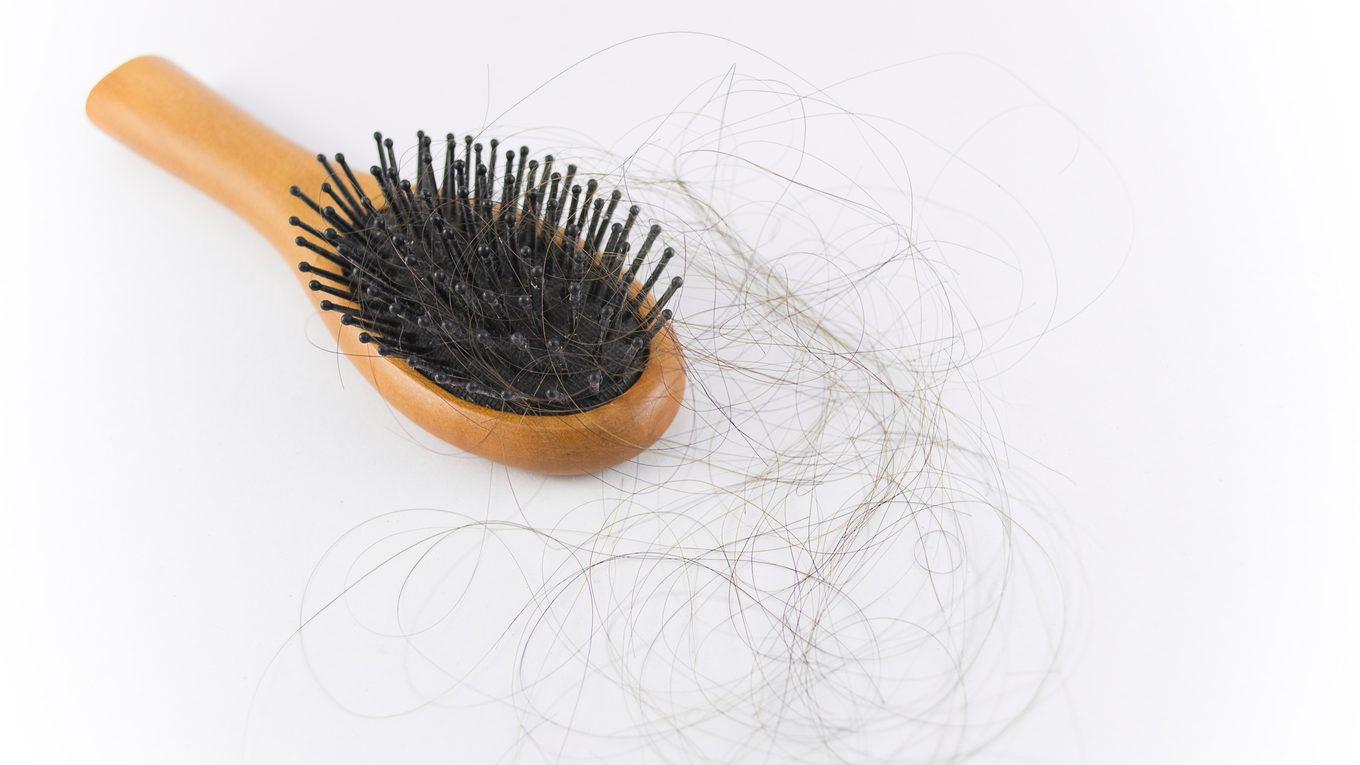
After drying your hair, you find yourself sweeping up the strands scattered across the bathroom floor. You move your part from one side to the other in the mirror, but the line of visible scalp looks wider than it used to. Worried, you had blood tests done, and the results came back normal.
With that report in hand, you start searching for the causes of female hair loss all over again. The results list nutritional deficiency, hormonal changes, stress and dieting one after another, and because your tests showed nothing wrong, it is even harder to tell which one applies to you. In this article, we look at the hidden causes of hair loss with normal blood tests, when the shedding continues even though nothing shows up in the results, and walk through how we diagnose it in our consultation room.
Contents
Normal blood test results: does that mean there’s no cause?
5 common causes of hair loss in women with normal test results
How diagnosis works at our Gangnam hair loss clinic
How your self-assessment carries over into the consultation
Choosing treatment after identifying the cause
Visiting HairON Clinic from overseas

Normal blood test results: does that mean there’s no cause?
Not necessarily. Even when your blood tests are normal, the cause can still lie in the scalp, the hair itself or your lifestyle. A normal result means that the specific items measured in that test are stable. Hair loss often appears when several factors overlap: scalp condition, changes in hair thickness, stress, and lifestyle changes over the past few months.
Patients who bring test reports from other clinics often tell us:
“The tests say everything is fine, but the amount I shed when I wash my hair hasn’t changed at all.”
For patients like this, HairON Clinic first assesses the current condition through a consultation, a scalp examination and an autonomic nervous system test.

5 common causes of hair loss in women with normal test results
Apart from blood test results, there are five main causes of female hair loss worth examining. Rather than picking just one, we first look at which causes overlap.
Female pattern hair loss: Overall density gradually decreases, centered on the part line and crown. In many cases, individual strands become finer, so the hair looks less full.
Hormonal changes after menopause: When hormone levels shift after menopause, DHT (a form of male hormone that acts on hair follicles) can have relatively more influence on the hair, and the hair may become thinner as a result.
Stress and the autonomic nervous system: When stress continues for a long time, the balance of the autonomic nervous system can be disrupted, and the effect can show up in your hair as well.
Changes after dieting: A diet that cuts carbohydrates too drastically can leave too little energy for hair growth. Shedding after rapid weight loss sometimes appears only months later, a pattern known as telogen effluvium.
Scalp inflammation: If the scalp repeatedly becomes itchy, hot or inflamed, that inflammation can contribute to the progression of hair loss.
How diagnosis works at our Gangnam hair loss clinic
The first step in narrowing down the cause of female hair loss is a consultation with an internal medicine specialist, based on your questionnaire. We ask when the hair loss began, how the affected area has changed, and what your current lifestyle and health are like. The consultation also covers lifestyle details such as recent dieting, changes in your daily routine, and whether you are going through menopause.
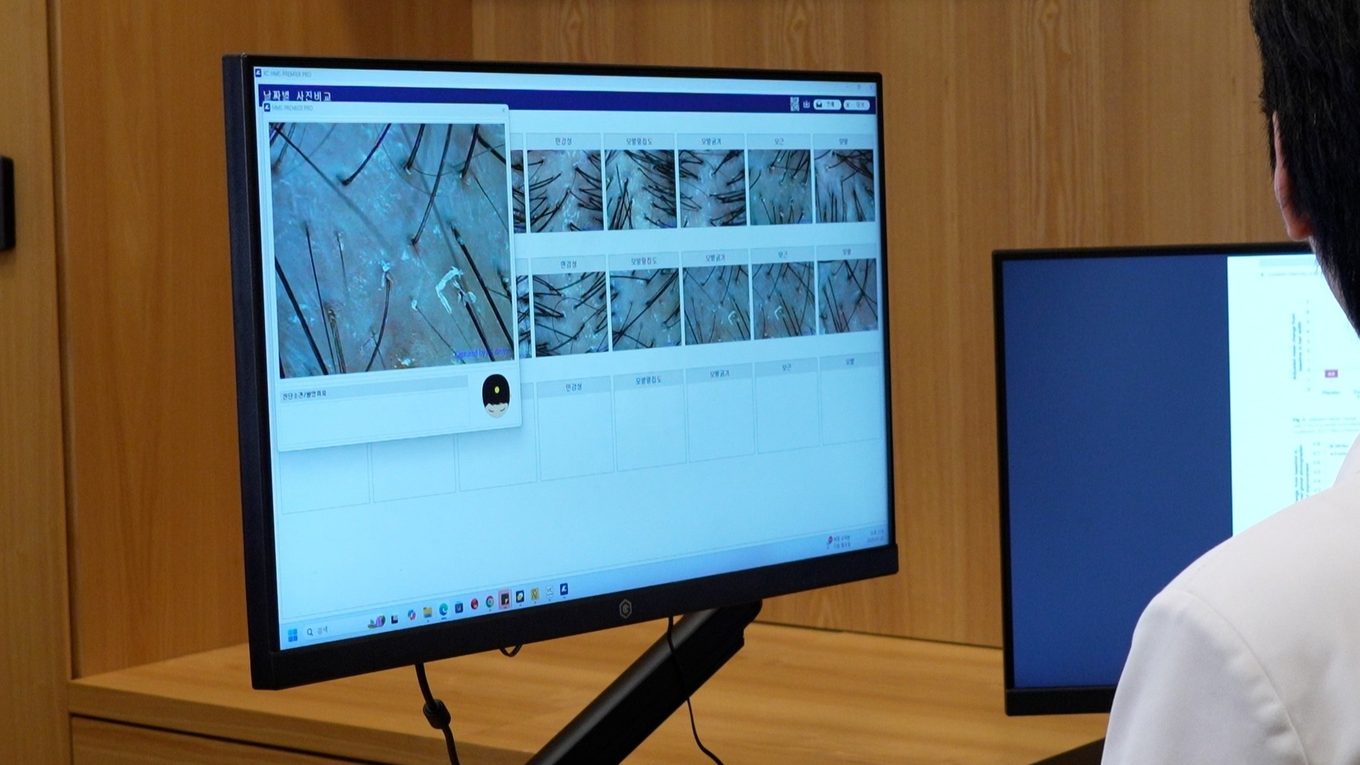
After the consultation comes trichoscopy, a magnified scalp examination. We inspect the current condition of your scalp and hair, the thickness and density of the hair, and the state of the surrounding hair. Next, an autonomic nervous system (ANS) test checks your autonomic balance and the level of stress your body is under. After reviewing these three results together, we add a blood test if the pattern differs from the typical case or if systemic factors need to be evaluated. Based on this information, we determine the type of hair loss and how far it has progressed.

How your self-assessment carries over into the consultation
Your answers on the self-assessment become reference material that carries over into the consultation. If you would like to check your condition before visiting our Gangnam hair loss clinic, try the self-assessment checklist on the HairON Clinic website.
▶ Hair Loss Self-Assessment Checklist: https://haironclinic.com/en/self-diagnosis/
The checklist has three stages: basic symptoms, hair loss type and in-depth questions. Each answer connects to a more specific check in the consultation room, as shown below.
| Item | Answer options in the self-assessment | What we follow up on in the consultation room |
| Rate of progression | Gradual; noticeable within the past 3–6 months; sudden and rapid | Consultation to confirm when hair loss began and how the affected area has changed |
| Scalp condition | Dryness, flaking, sensitivity; recurring itching, heat, inflammation | Trichoscopy to assess scalp condition |
| Hair condition | Thinning; reduced density and volume | Trichoscopy to assess hair thickness, density and the surrounding hair |
| Care history | Shampoo, medication, supplements; injection or procedure experience | Consultation to review care to date and current lifestyle and health |
If you checked several symptoms, or your hair keeps falling out, we recommend having it examined at a hair loss clinic. When you visit, we follow three steps in order:
Assessing scalp and hair condition: trichoscopy to examine the current state of your scalp and hair.
Diagnosing hair loss type and progression: combining the consultation and test results to determine what type of hair loss you have and how far it has progressed.
Discussing treatment based on your individual cause: deciding together on a treatment and care plan tailored to the identified cause.
Take the first step with the self-assessment, then continue to an accurate diagnosis in our consultation room.
Choosing treatment after identifying the cause
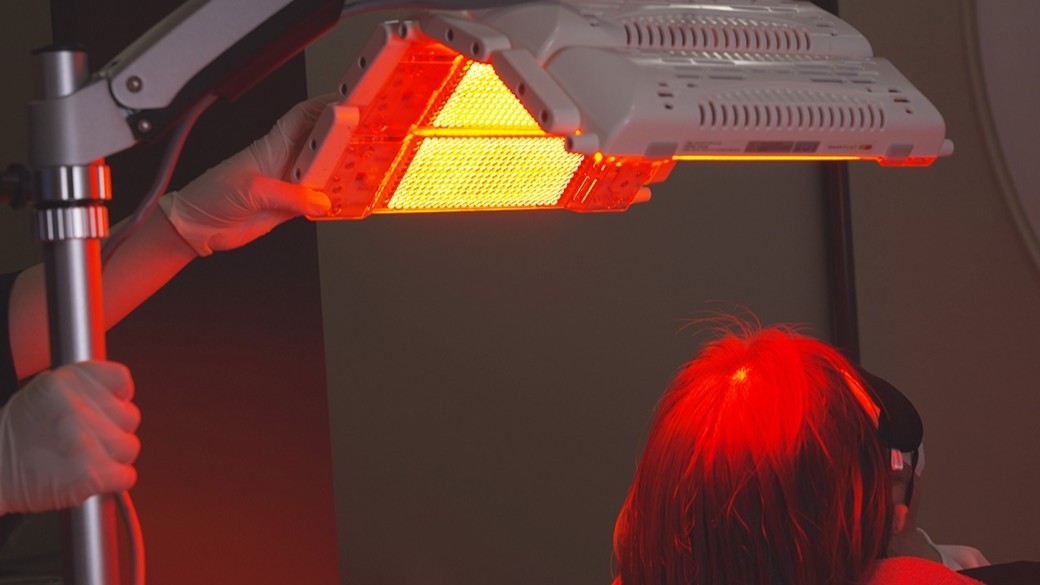
Treatment is determined by the identified cause and type of hair loss. When choosing medication for female hair loss, we consider your current condition along with the possibility of pregnancy, menopausal status and age. If the hair around the part line and crown has become thinner, injection treatment may also be considered.
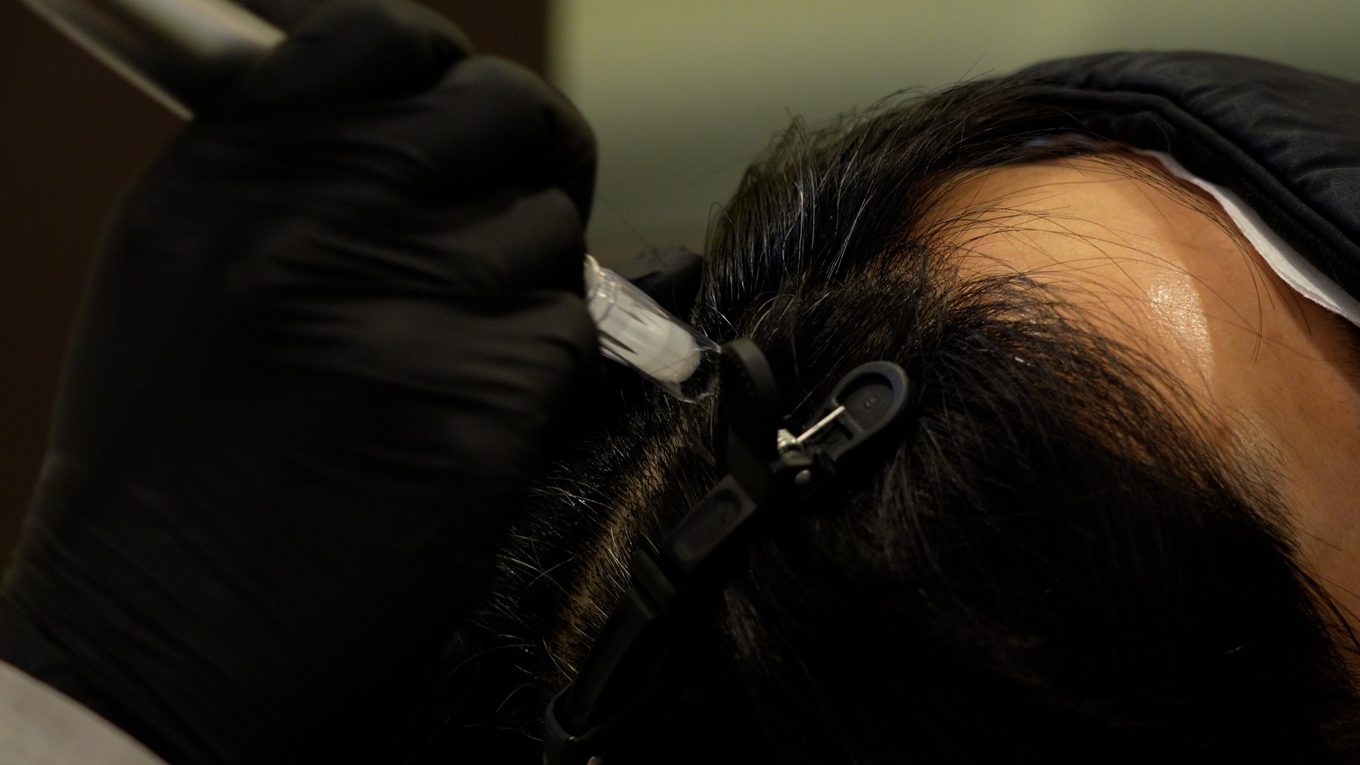
The Follion Scalp Injection is HairON Clinic’s own follicle-strengthening injection, formulated around PDRN and eight growth factors. If your scalp environment is weak, it can support recovery and regeneration. If your hair has become thinner, it can help improve thickness. The time it takes to notice a change and the number of sessions vary with each person’s condition.
If you are dealing with hair loss with normal blood tests and more hair is falling out than before, start by having your scalp condition and recent lifestyle changes assessed together. What matters is identifying the cause first, then choosing a treatment that fits it.
Visiting HairON Clinic from overseas
If you are visiting Seoul and would like to have your hair loss checked, here is what to know before you come.
Location: 3F, Hongwoo Building, 373 Gangnam-daero, Seocho-gu, Seoul. A 2-minute walk (about 60 m) from Gangnam Station Exit 6 (Shinbundang Line).
Hours: Monday–Friday 10:00 AM–8:00 PM; Saturday 10:00 AM–3:00 PM. Lunch break 2:00–3:00 PM.
Your first visit: the consultation and diagnostic tests take about 60 minutes on average.
What to bring: your previous blood test reports (an English copy if they are from outside Korea), a list of the medications and supplements you take, and notes on when the shedding started.
Questions before you visit: message us on WhatsApp (https://api.whatsapp.com/send?phone=821095443536) or call +82-2-6949-2030.
We offer consultations in English. If you are in Seoul for a limited time, let us know your travel dates when you contact us, and we will plan your visit around your schedule.
Related reading
Female Hair Loss: 3 Signs That It’s More Than Just Shedding
A Woman in Her 40s Visits HairON Clinic for Hair Loss for the First Time
Book a Hair Loss Cause Diagnosis
Gangnam Station (Shinbundang Line) Exit 6 — HairON Clinic After scalp and follicle analysis, we design a customized treatment program tailored to your stage of crown hair loss. Rather than spending time worrying, accurately checking your current condition is the fastest beginning to effective treatment.
Hair Loss Research Center
View All ArticlesFind the Cause Before the Treatment.
Start with an accurate diagnosis at Hairon Clinic near Gangnam Station. Our internal medicine specialists identify the cause of your hair loss and recommend the right treatment based on the findings.
Book DiagnosisHairON ClinicHours of Operation
- Weekdays (Mon–Fri)
- Saturday
- Lunch Break
- Phone Consultation
- 3F, Hongwoo Building, 373 Gangnam-daero, Seocho-gu, Seoul, South Korea
Insights » Hair Loss Treatment by Dr. Hyunggon Son
A First Visit Story: Female Hair Loss in Her 40s at HairON Clinic
Hair loss in women in their 40s may not be simply a sign of aging. If you’re concerned about thinning hair or reduced volume, explore the causes and management options through a first visit to Hairon Clinic.