
When Does Crown Hair Loss Usually Begin?
Rather than starting suddenly at a specific moment, crown hair loss often begins with gradual thinning of the hair strands. Noticeable reduction in hair density usually appears later in the progression.
Why Is Crown Hair Loss Difficult to Notice on Your Own?
The crown area is difficult to see directly in the mirror, and in the early stages, the hair typically becomes thinner rather than shedding excessively.
As a result, many people only realize it later through photos or comments from others.What Are the Early Signs of Crown Hair Loss?
In the early stages, you may notice changes such as:
-The scalp at the crown becoming more visible than before
-Hair volume flattening easily after washing or drying
-The part line appearing gradually wider
-Hair strands feeling thinner and weaker
These changes may be signs of a shortened hair growth cycle.Can Crown Hair Loss Progress Even Without Excessive Shedding?
Yes. Crown hair loss is often less about “large amounts of hair falling out” and more about hair failing to grow fully and maintain thickness.Even if shedding seems minimal, hair loss may still be progressing.
Is Recovery From Crown Hair Loss Possible?
If the hair follicles have not completely disappeared, crown hair loss generally has a relatively high potential for recovery. However, the longer it is left untreated, the more limited the recovery may become.
Is Medication Alone Enough for Crown Hair Loss?
It depends on the stage of progression.
-Early stage: Medication alone may often be sufficient to slow progression
-Moderate to advanced stages: Combination treatment with medication and injection/scalp therapies may be necessary
That is why an accurate diagnosis of the current stage is important.What Tests Are Performed for Crown Hair Loss Diagnosis?
In crown hair loss diagnosis, the condition of the hair follicles is evaluated before simply assessing visible hair density.
-Scalp and follicle density/thickness analysis
-Evaluation of the anagen (growth) and telogen (resting) phase ratio
-Assessment of scalp inflammation and blood circulation
-Blood tests and hormone evaluations when necessary
These evaluations help determine the most appropriate treatment approach.What Happens If Crown Hair Loss Is Left Untreated?
The longer crown hair loss progresses without treatment:
-Hair follicles gradually shrink
-Hair density continues to decrease
At that stage, recovery may become difficult with medication alone.Is Crown Hair Loss Related to Lifestyle Habits?
Yes. Stress, lack of sleep, nutritional imbalance, and reduced scalp circulation can all influence the progression of crown hair loss. This is why lifestyle management is important alongside treatment.
Is Ongoing Care Necessary After Treatment?
Yes. Crown hair loss is a condition where both treatment and long-term maintenance are important.
-Regular monitoring of treatment response
-Scalp environment management
-Lifestyle, sleep, and stress control
Long-term results can vary significantly depending on how consistently maintenance care is continued.
Symptoms
Subtle Onset, but the Most Late-Detected Form of Hair Loss Crown Hair Loss
Crown hair loss is one of the most difficult types to notice on your own. Because the crown area is not easily visible in the mirror, many people assume everything is fine until they see photos or hear comments from others. As a result, they often visit a clinic only after the condition has already progressed.
If You Notice These Changes You May Be Experiencing Crown Hair Loss
Hair volume at the crown flattens easily after washing or drying
The part line seems to be gradually widening
Individual hair strands feel thinner and weaker
You didn’t think it was serious, but the crown looks visible in photos
Crown hair loss is less about sudden shedding and more about gradual thinning and loss of volume over time.
What is crown hair loss?
Crown hair loss typically develops due to a combination of factors, including the effects of androgens (DHT),
reduced scalp blood circulation, hormonal imbalance, and lifestyle factors.
reduced scalp blood circulation, hormonal imbalance, and lifestyle factors.
Reduced follicle density in the crown area
Decrease in
hair thickness
Shortened
hair growth cycle
In other words, crown hair loss is not "a condition where hair suddenly falls out"
—it is a slowly progressing form of hair loss.
—it is a slowly progressing form of hair loss.
Why Is Early Diagnosis Important for Crown Hair Loss?
Crown hair loss is a type of hair loss with a relatively high potential for recovery—as long as the hair follicles have not completely disappeared.
However, the longer treatment is delayed, the more both the size and number of hair follicles decrease, making recovery difficult with medication or injection treatments alone. That is why the most important step in managing crown hair loss is getting diagnosed before it appears severe.
Main Causes of Crown Hair Loss
Crown hair loss is often caused by a combination of factors rather than a single cause.
Genetic & DHT Influence
Increased sensitivity of hair follicles to androgens (DHT)
Reduced Scalp Blood Circulation
Decreased delivery of oxygen and nutrients to the scalp
Stress & Lack of
Sleep
Shortened hair growth cycle and increased resting (telogen) phase
Hormonal & Internal Medical Factors
Thyroid disorders, anemia, nutritional deficiencies, and more
Even when the symptoms appear similar, the treatment approach may vary depending on
which factor is the primary cause of the crown hair loss.
which factor is the primary cause of the crown hair loss.
If Crown Hair Loss Is Suspected, What Kind of Diagnosis Is Needed?
In diagnosing crown hair loss, the condition of the hair follicles is evaluated before simply assessing visible hair volume.
Scalp and follicle density/thickness analysis
Evaluation of the anagen (growth) and telogen (resting) phase ratio
Assessment of scalp inflammation and blood circulation
Blood tests and hormone evaluations when necessary
Through this evaluation, we determine whether the condition is at a stage
where medication alone is appropriate, whether injection or regenerative treatments are necessary,
or whether ongoing maintenance care is sufficient.
where medication alone is appropriate, whether injection or regenerative treatments are necessary,
or whether ongoing maintenance care is sufficient.
Crown Hair Loss, What Treatment Options
May Be Considered?
Early Stage
Hair loss medication focused on slowing progression
Progressive Stage
Combination of medication and injection/scalp treatments
Reduced Density Stage
Medication combined with density-restoration treatments
Treatment strategies for crown hair loss vary depending on
the stage of progression.
the stage of progression.
Crown Hair Loss Is a Type Where Ongoing Management Matters More Than Treatment Alone
Crown hair loss is a condition where long-term maintenance plays a critical role in preserving results after treatment. Consistent monitoring of treatment response, proper scalp care, and lifestyle management—including sleep quality and stress control—are all essential for stable and lasting results.
Get Diagnosed for Crown Hair LossFrequently Asked Questions
Hair Loss Research Center
View All Articles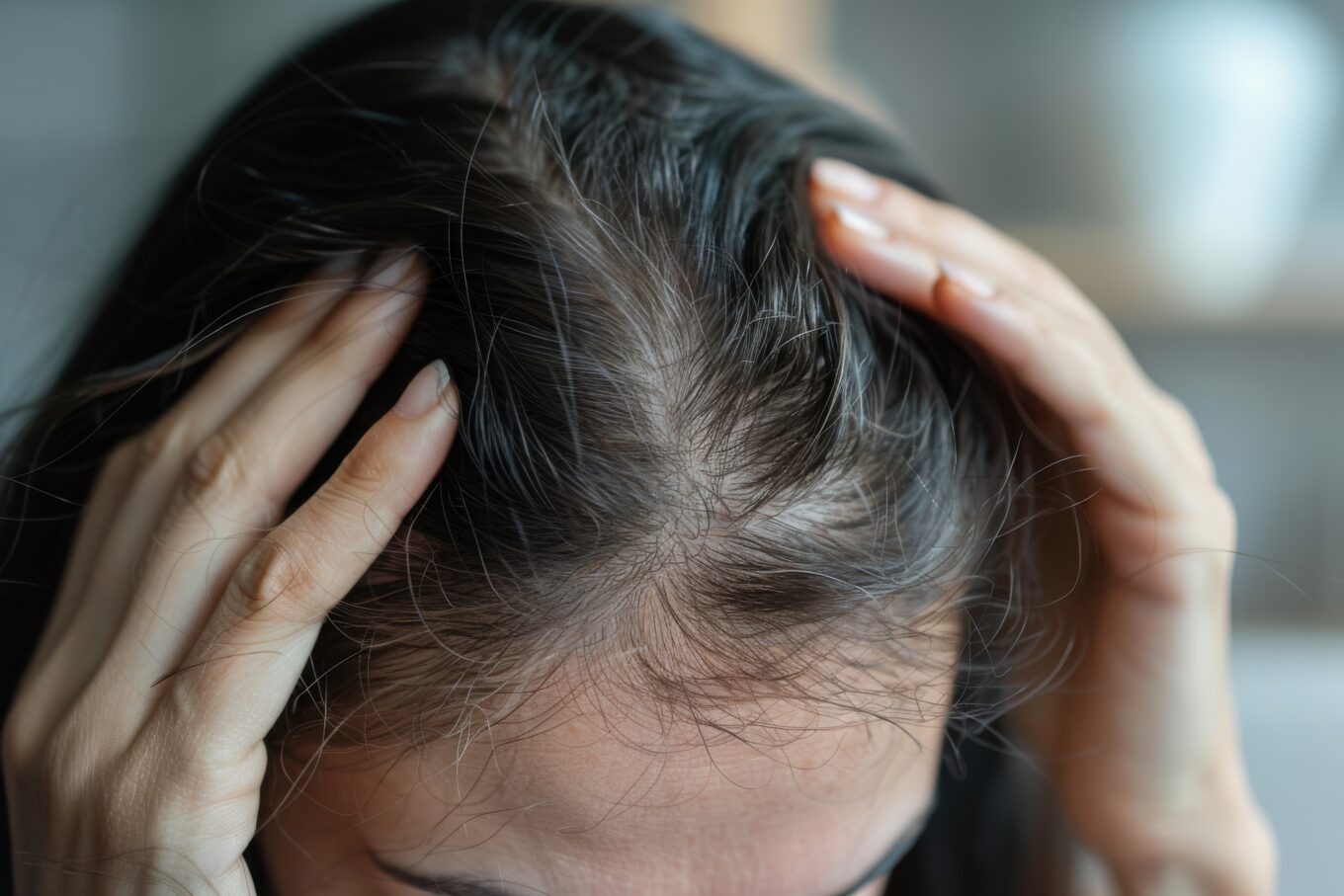
There are days when you’re drying your hair and, out of nowhere, something feels different in the mirror. Under bright…

HairON Clinic treats hair loss through an internal medicine-based approach without overtreatment. We spoke with a hair loss specialist about…

I Always Thought Hair Loss Was Someone Else’s Problem I had thick hair since I was young. Whenever I went…
Check the Current Stage of Your Crown Hair Loss
The later crown hair loss is discovered, the fewer treatment options may remain. At HairON Clinic, we first assess the progression stage and recovery potential of crown hair loss before recommending the most appropriate and least burdensome treatment approach.
Get Diagnosed for Crown Hair LossHairON ClinicHours of Operation
- Weekdays (Mon–Fri)
- Saturday
- Lunch Break
- Phone Consultation
- 3F, Hongwoo Building, 373 Gangnam-daero, Seocho-gu, Seoul, South Korea
Insights » Hair Loss Treatment by Dr. Hyunggon Son
A First Visit Story: Female Hair Loss in Her 40s at HairON Clinic
Hair loss in women in their 40s may not be simply a sign of aging. If you’re concerned about thinning hair or reduced volume, explore the causes and management options through a first visit to Hairon Clinic.