
A Woman in Her 40s Visits HairON Clinic for Hair Loss for the First Time
I Always Thought Hair Loss Was Someone Else’s Problem I had thick hair since I was young. Whenever I went to a hair salon, I…
I Always Thought Hair Loss Was Someone Else’s Problem
I had thick hair since I was young. Whenever I went to a hair salon, I would always hear, “You have so much hair.” Because of that, I always thought hair loss was something very far removed from me.
Then, at some point, I started noticing more hair falling out when I washed my hair. I had been under a lot of stress recently—could that be the reason? Changes that I would have brushed off in the past kept bothering me.
The hair around my hairline seemed thinner than before, and my hair volume felt like it flattened much more easily than it used to. While thinking, “Should I go to a clinic at least once? It’s probably not hair loss,” I learned that quite a few people around me who were also in their 40s were already taking hair loss medication or receiving treatment at clinics.
“As you get older, what really matters is your skin and your hair.”
“Once you miss the right timing for treating hair loss, it becomes much harder to recover.”
Hearing these comments from people around me, I thought it might not be a bad idea to find out what stage I was currently at.
I decided to visit a clinic. During my weekday lunch break, I made a reservation at HairON Clinic near Gangnam Station, which seemed easy to visit without much burden.
HairON Clinic : A More Comfortable First Impression Than Expected

As soon as I entered the clinic, I noticed the soft yellow lighting and calm atmosphere.
When I imagined a “hair loss clinic,” I pictured bright fluorescent lights and rows of uncomfortable waiting room chairs in a rigid hospital-like environment. The moment I walked through the door and realized how different reality was from my expectations, the tension I had been carrying eased and I felt much more comfortable



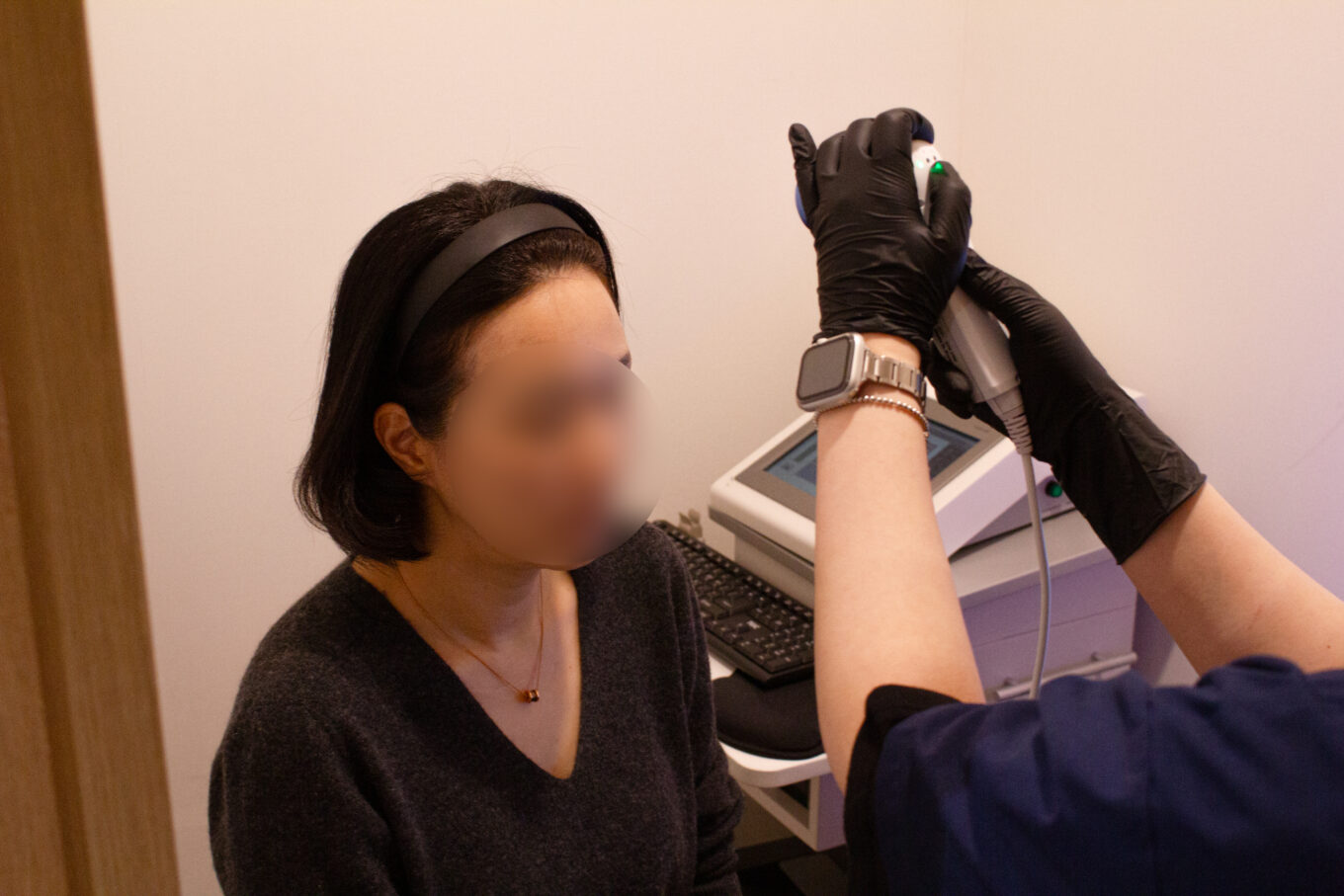
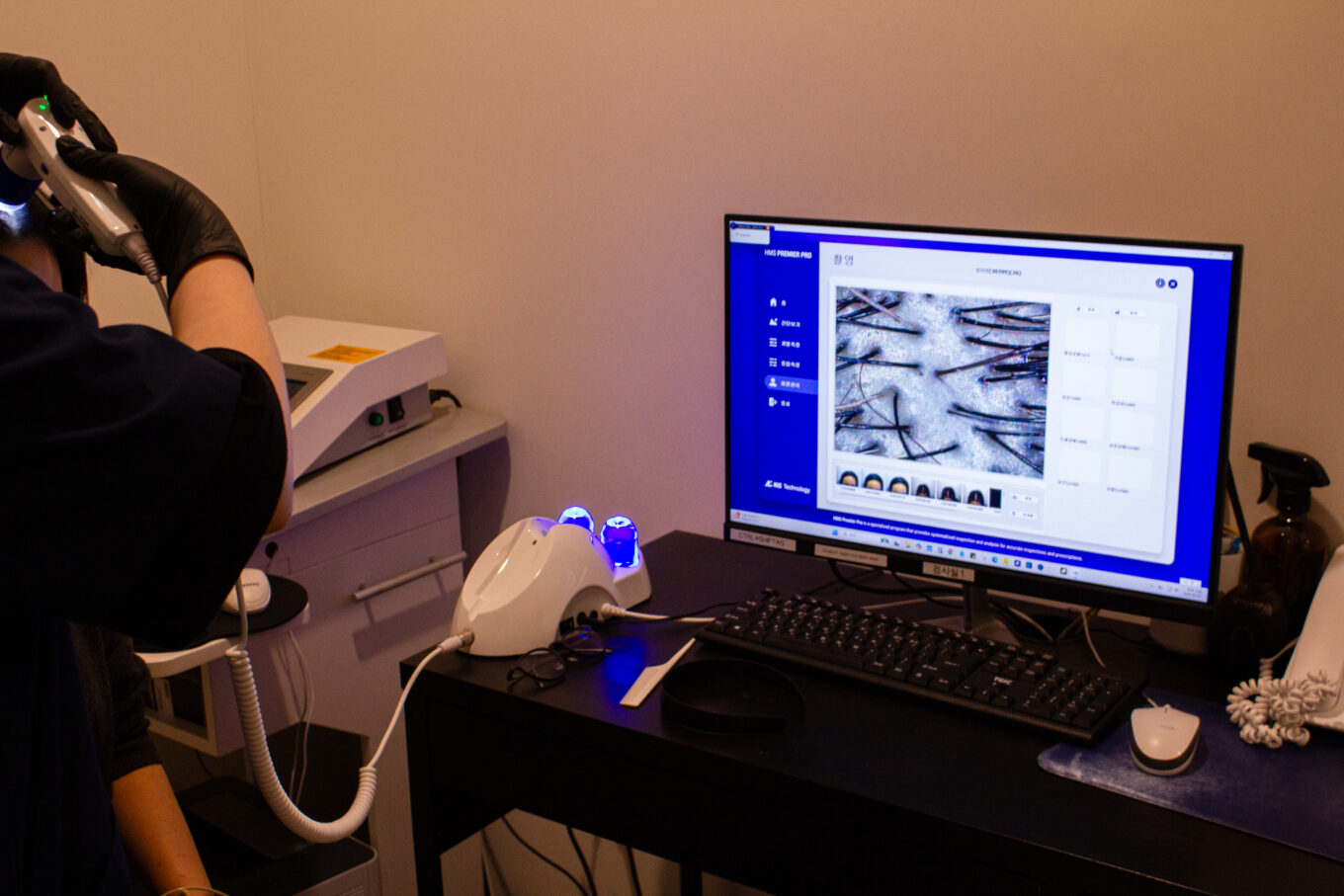
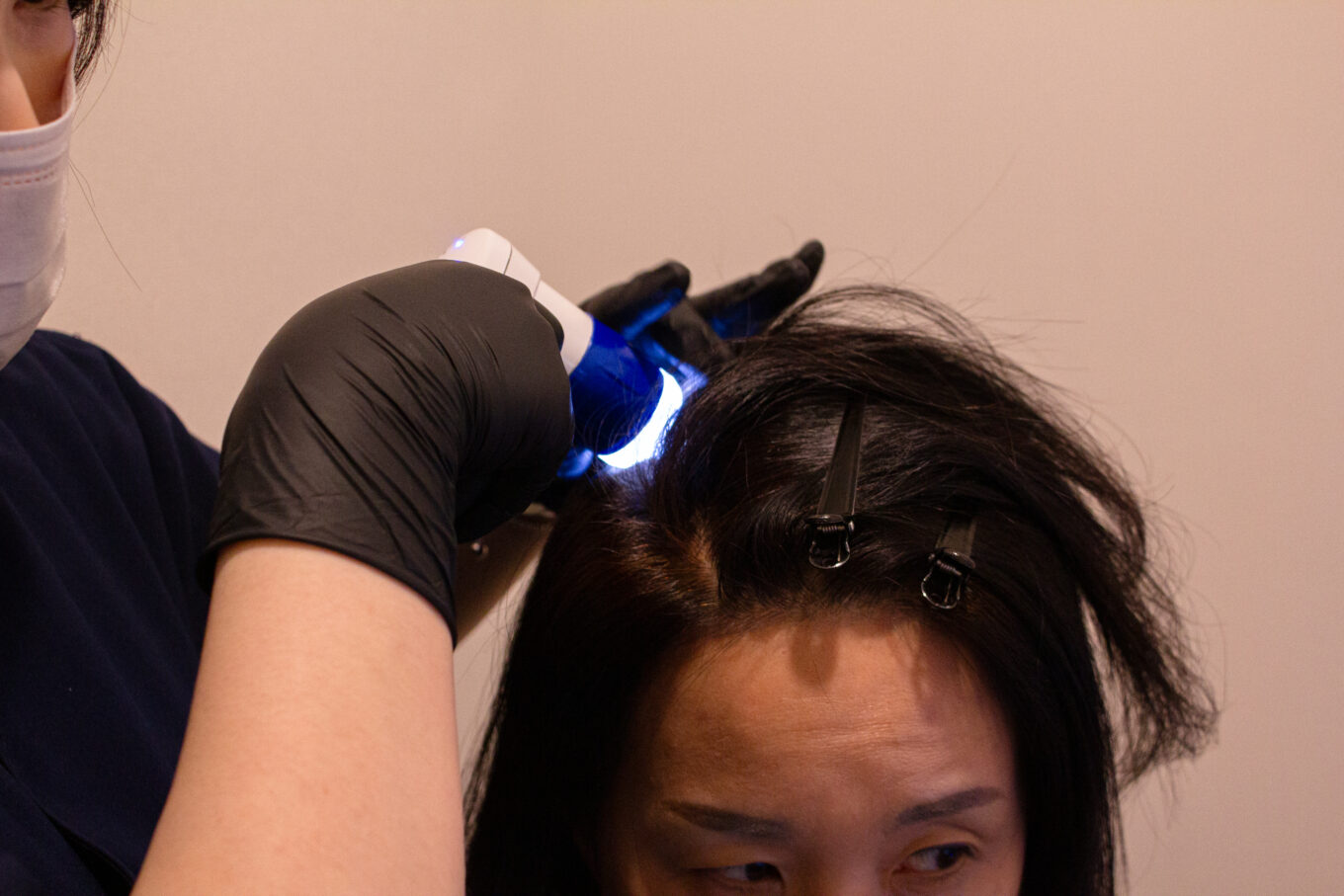
After confirming my reservation and checking in, I filled out a questionnaire. It included simple questions about family history of hair loss, current medications, headaches and stress, sleep disturbances, previous hair loss treatments, and the degree of hair loss progression.
Afterward, I completed a blood pressure check, a stress assessment, and scalp imaging, and then proceeded to my consultation with the doctor.
Understanding the Body Is the Beginning of Treatment
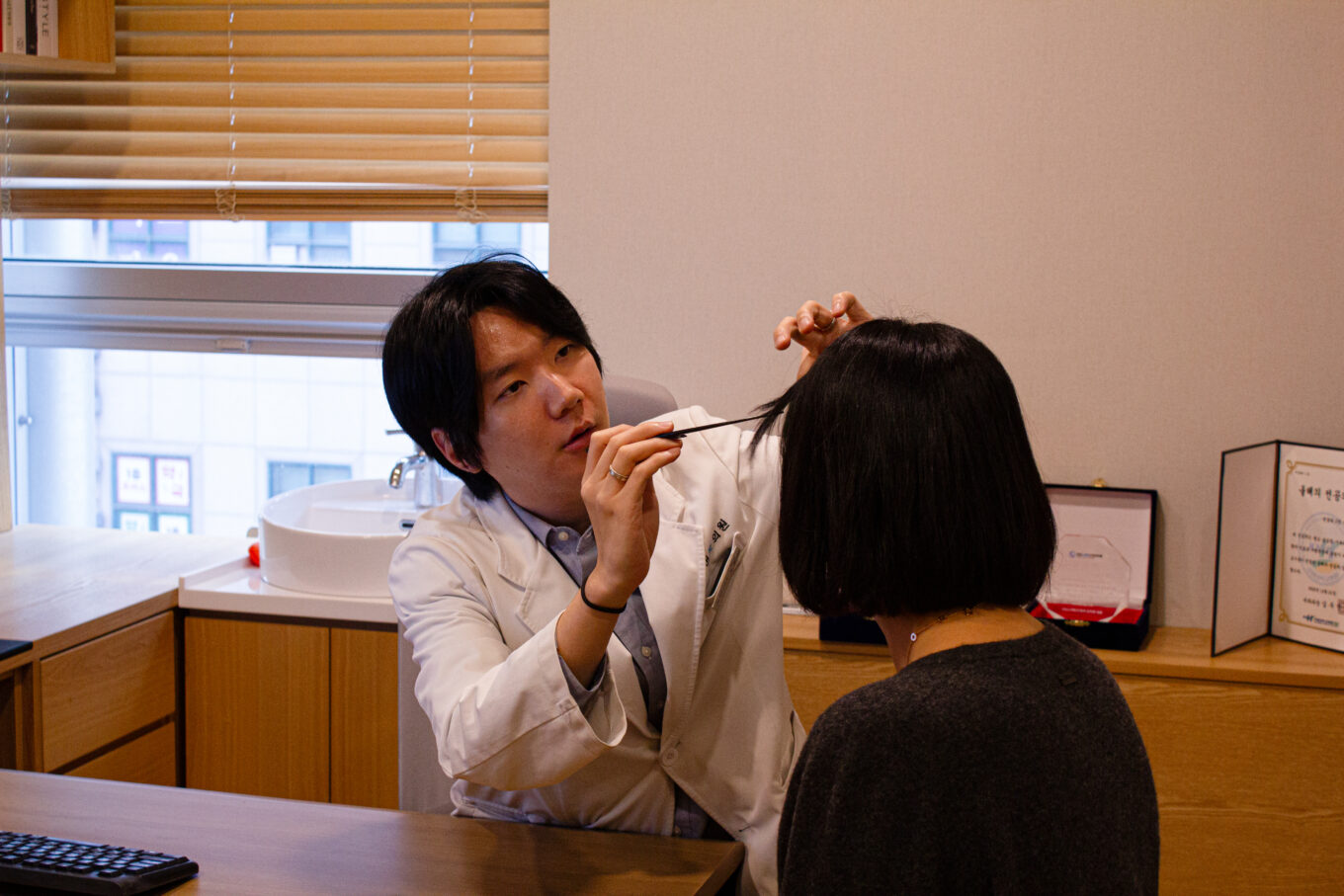
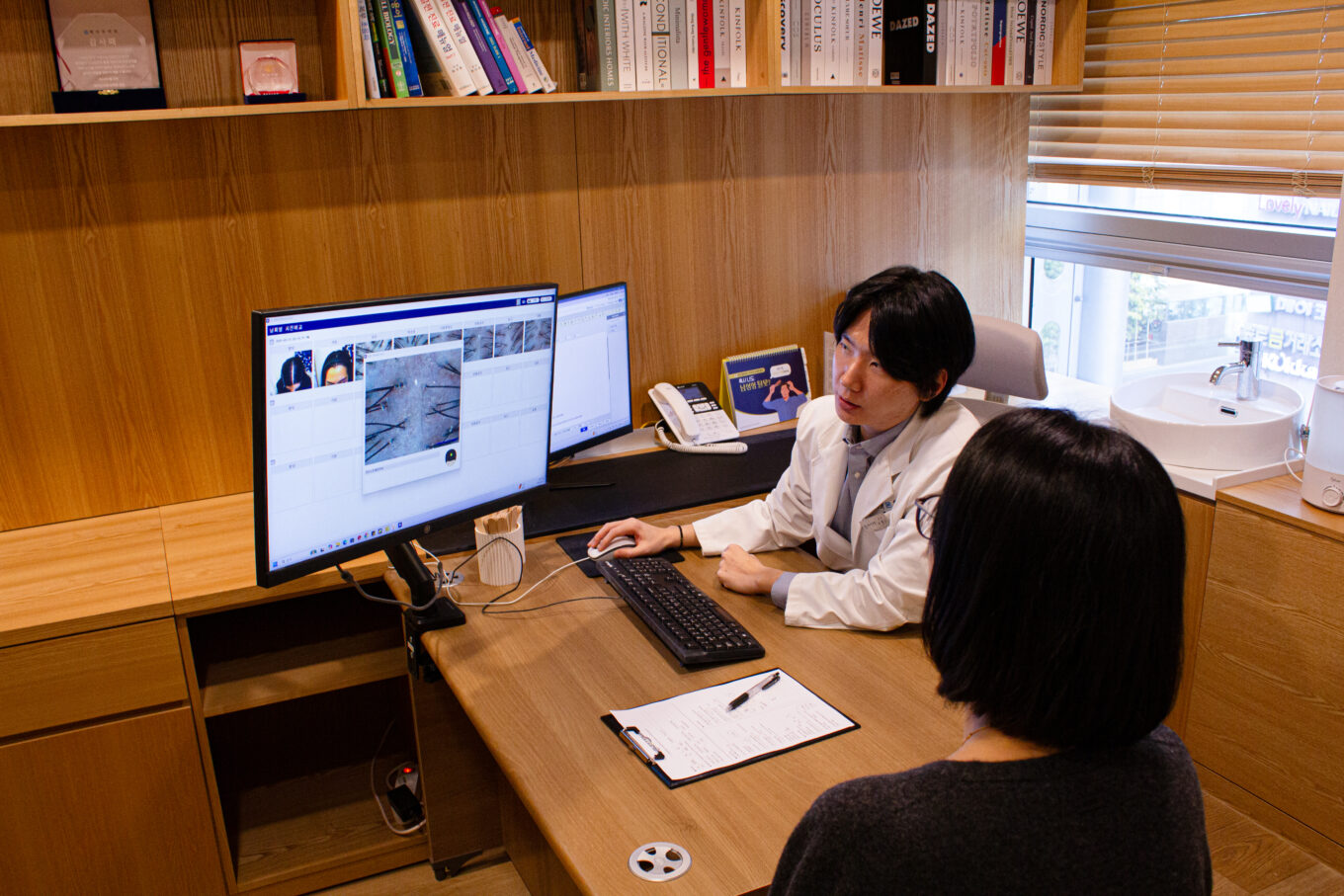
The consultation was conducted while reviewing the questionnaire and test results together. While directly examining my scalp, Dr. Hyunggon Son explained the test findings. It was a chance to objectively compare my concerns with what was actually happening. Rather than simply declaring, “This is hair loss,” he carefully pointed out what signs were present and which findings were still within a normal range.
He explained that female hair loss is often influenced more by environmental factors than genetics, and that the causes are usually complex.
My stress assessment showed a higher-than-average sympathetic nervous system level. He explained that this indicated a state of anxiety and tension and asked whether I had experienced significant stress recently.
Naturally, recent situations came to mind. I realized that the period when I started noticing increased hair shedding overlapped rather closely with the time when my stress levels had begun to rise.
Dr. Hyunggon Son explained my current condition as follows: “There is a possibility of telogen shedding influenced by stress-related factors, and the hairline area appears to be in an early stage where the hair shafts have started to become somewhat thinner.”
He also added: “Fortunately, this still appears to be a stage with recovery potential. With lifestyle management, medication, and nutritional therapy, there is a possibility of improvement.”
What impressed me was that he did not make definitive statements such as “You will recover within a few months,” but instead explained my condition and possibilities based on objective findings.
The difference between treating a condition while understanding the cause and treating it without understanding the cause is like the difference between having a map to your destination and having none at all.
Although I had visited because of the symptom of hair loss, he explained that hair loss itself is only the result. To establish an accurate and effective treatment plan, it is necessary to understand the underlying issues occurring within the body.
I was also told that if a patient shows an unusual pattern of hair loss or if a systemic cause is suspected, additional blood tests may be recommended. Fortunately, in my case, no blood tests were necessary.
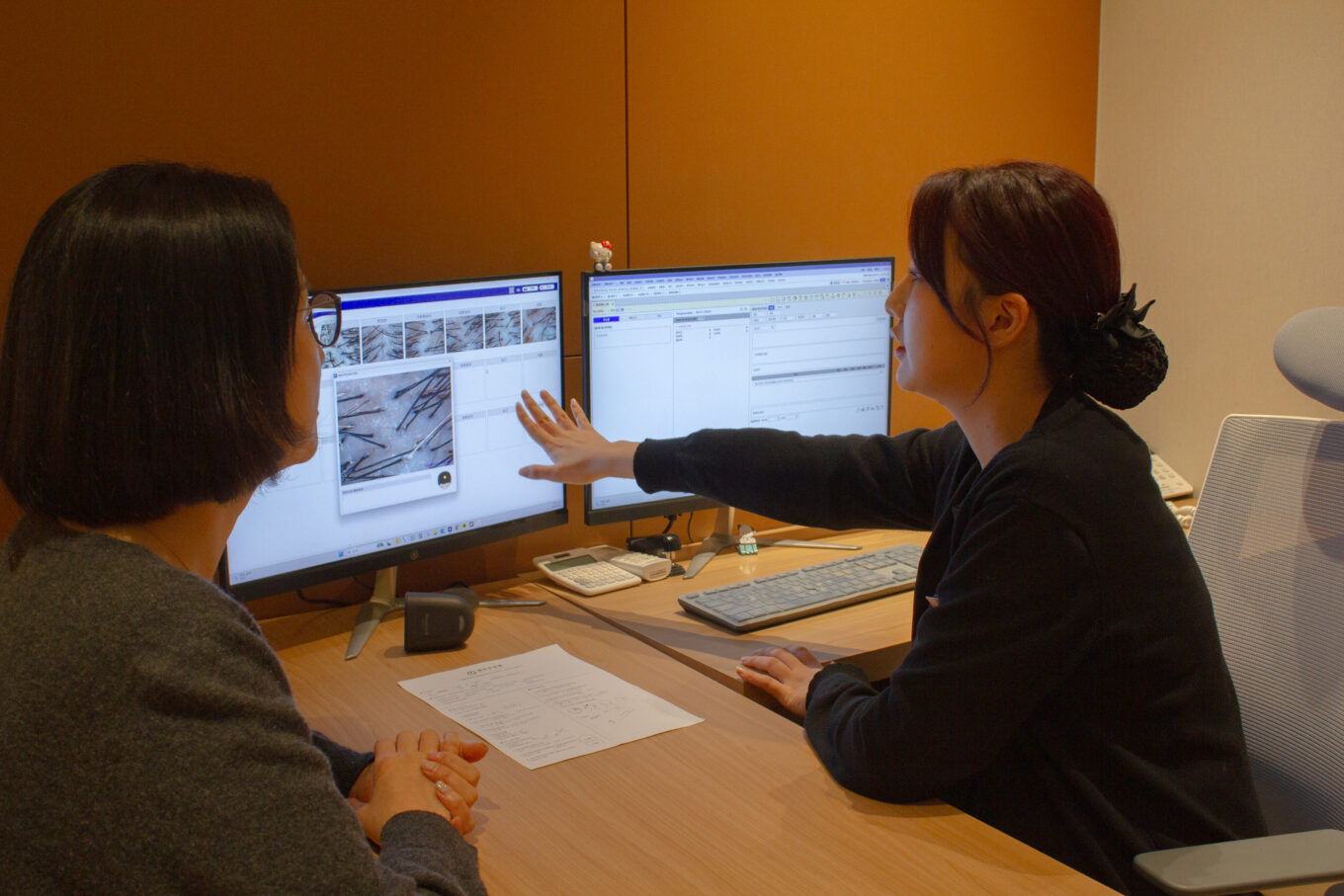
After the consultation, I moved to the counseling room, where I received additional explanations about the treatment direction, treatment components, refund policies, and other practical information. Rather than feeling pressured toward a specific procedure, the atmosphere allowed me to fully understand the available options before making a decision.
Since I was already there, I decided to proceed with my first nutritional treatment session.
‘Understanding the Purpose Behind Each Step’ of the Treatment Process
Before the Procedure — Preparing the Scalp
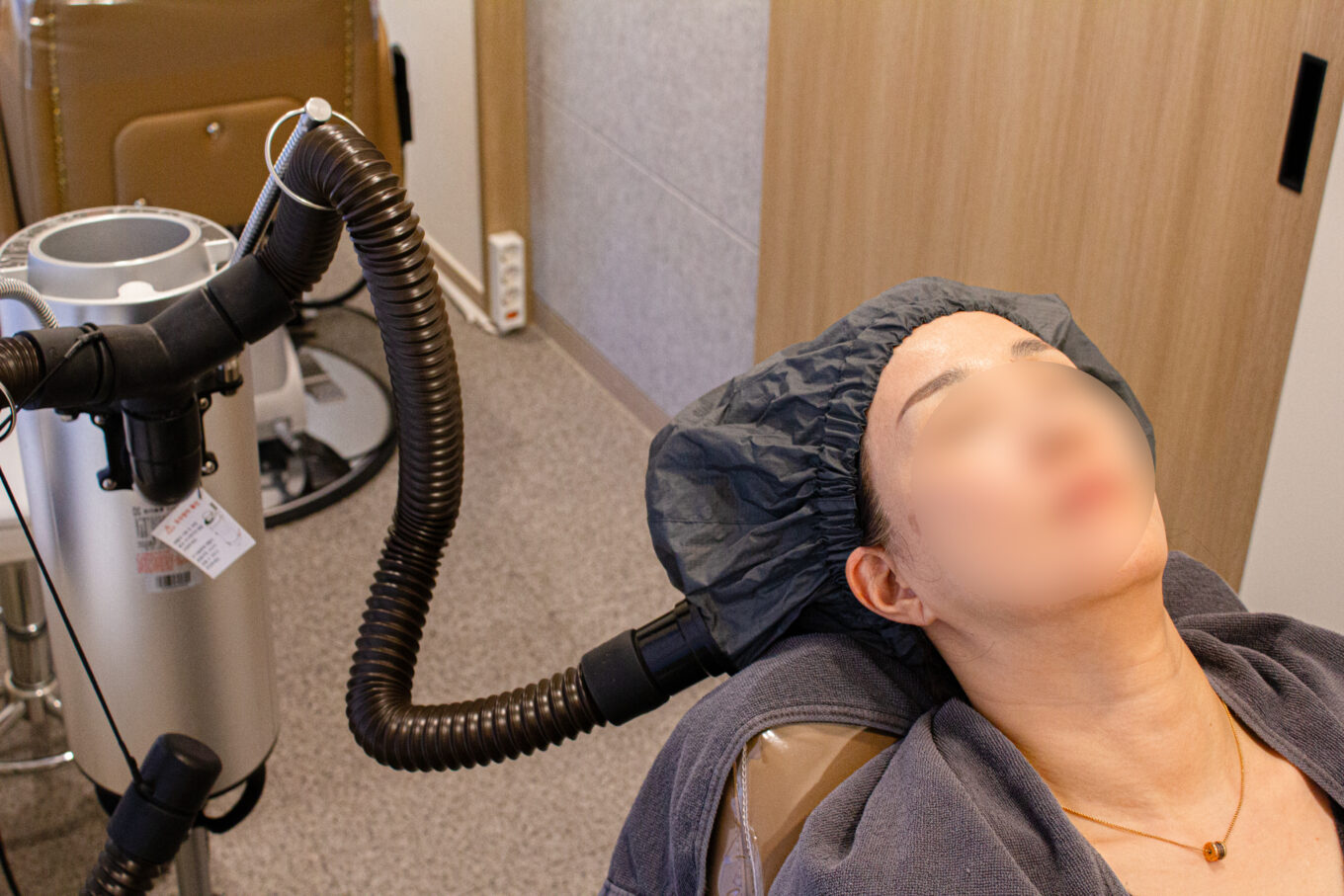
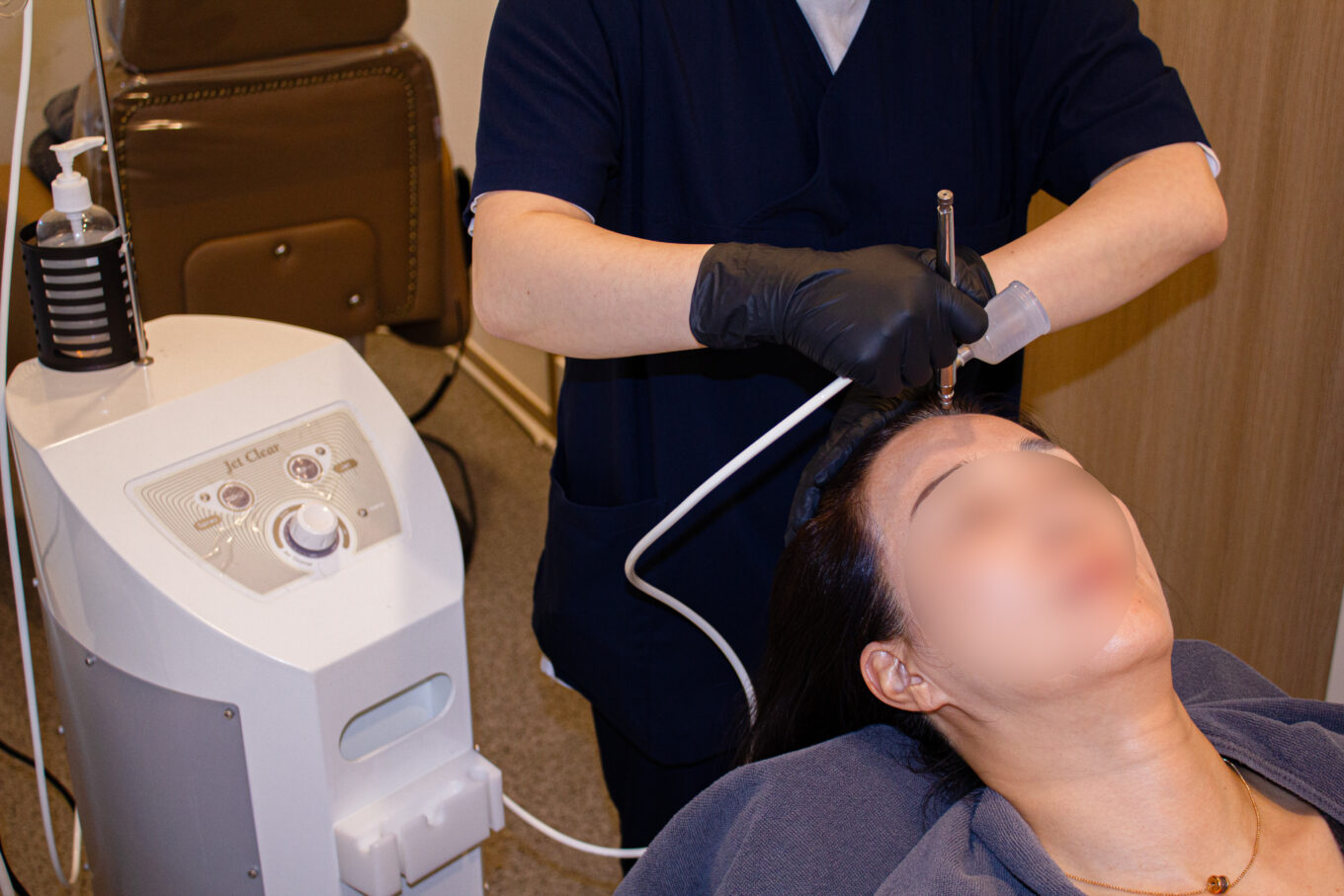
The first step was applying a scaling gel to cleanse the scalp surface. I was told this preparation process gently removes dead skin cells and excess sebum so that the treatment ingredients can be delivered more effectively to the hair follicles. Next came a warm steam treatment, and I could feel both my scalp and body gradually relax. It felt as comfortable as receiving treatment at a skincare clinic, and I almost began to doze off.
After using the Oxygen Jet Peel device to remove any remaining dead skin cells and impurities from the scalp, the preparation for the nutritional treatment was complete.
Treatment — Delivering Nutrition to the Hair Follicles and Scalp
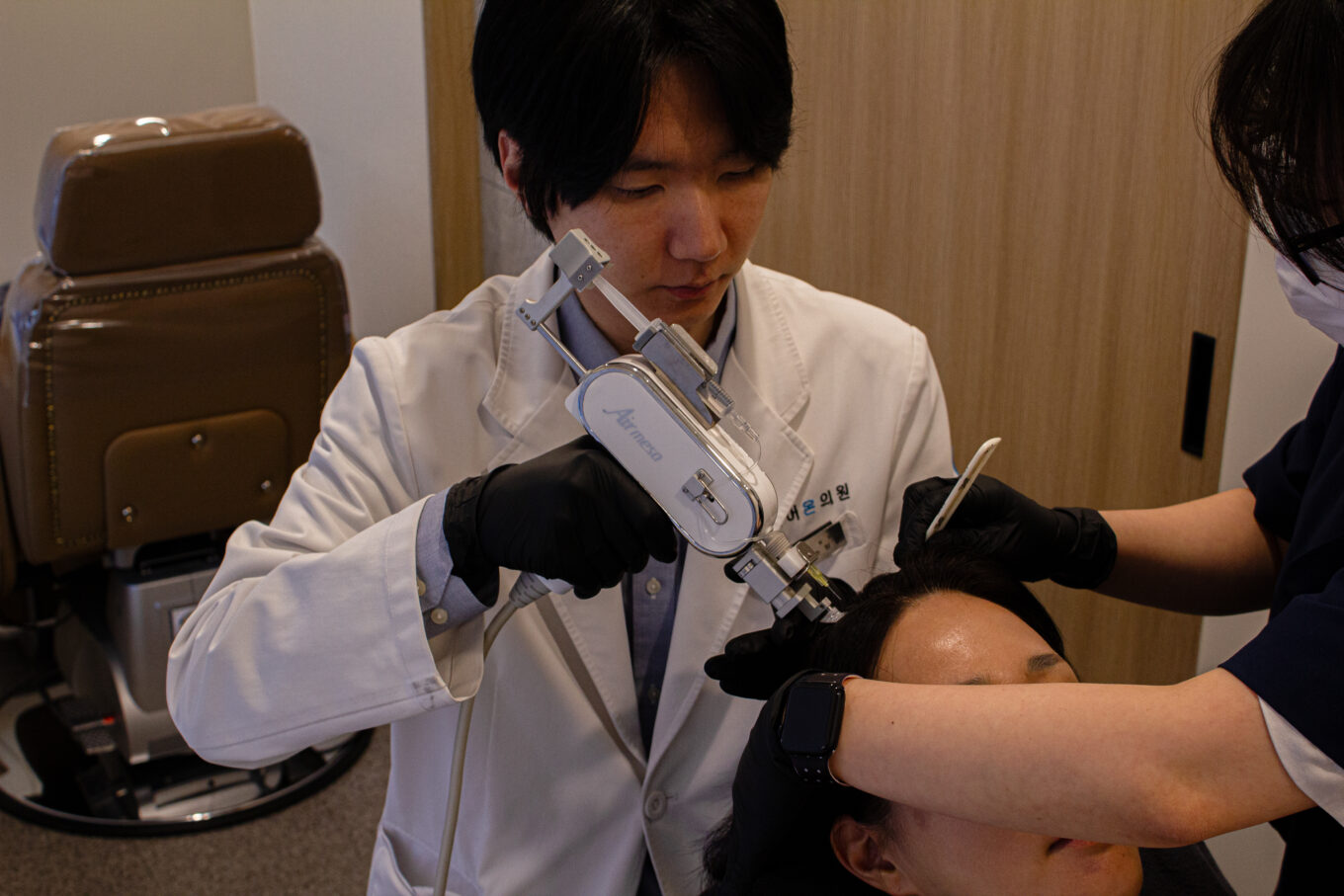
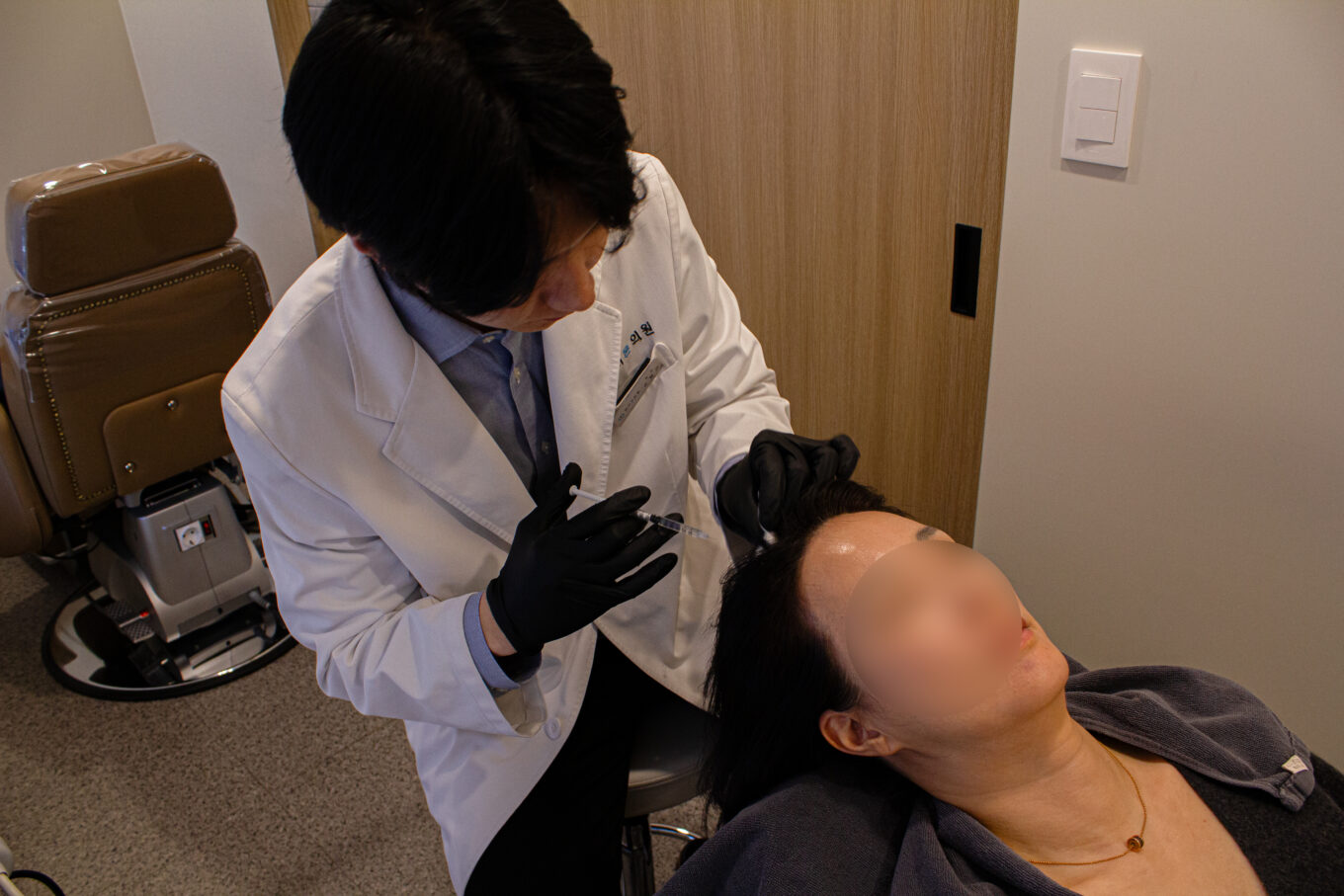
I then received CHECK Plus Injection Therapy, a treatment designed to supply nutrients to the scalp and hair follicles. An injection into my scalp? For a moment, I completely froze. However, I was told that the treatment uses a device called Air Meso, which delivers the solution evenly, and although pain levels vary by individual, discomfort is generally mild. Once the treatment actually began, I almost felt embarrassed for having been so nervous. It was only slightly prickly.
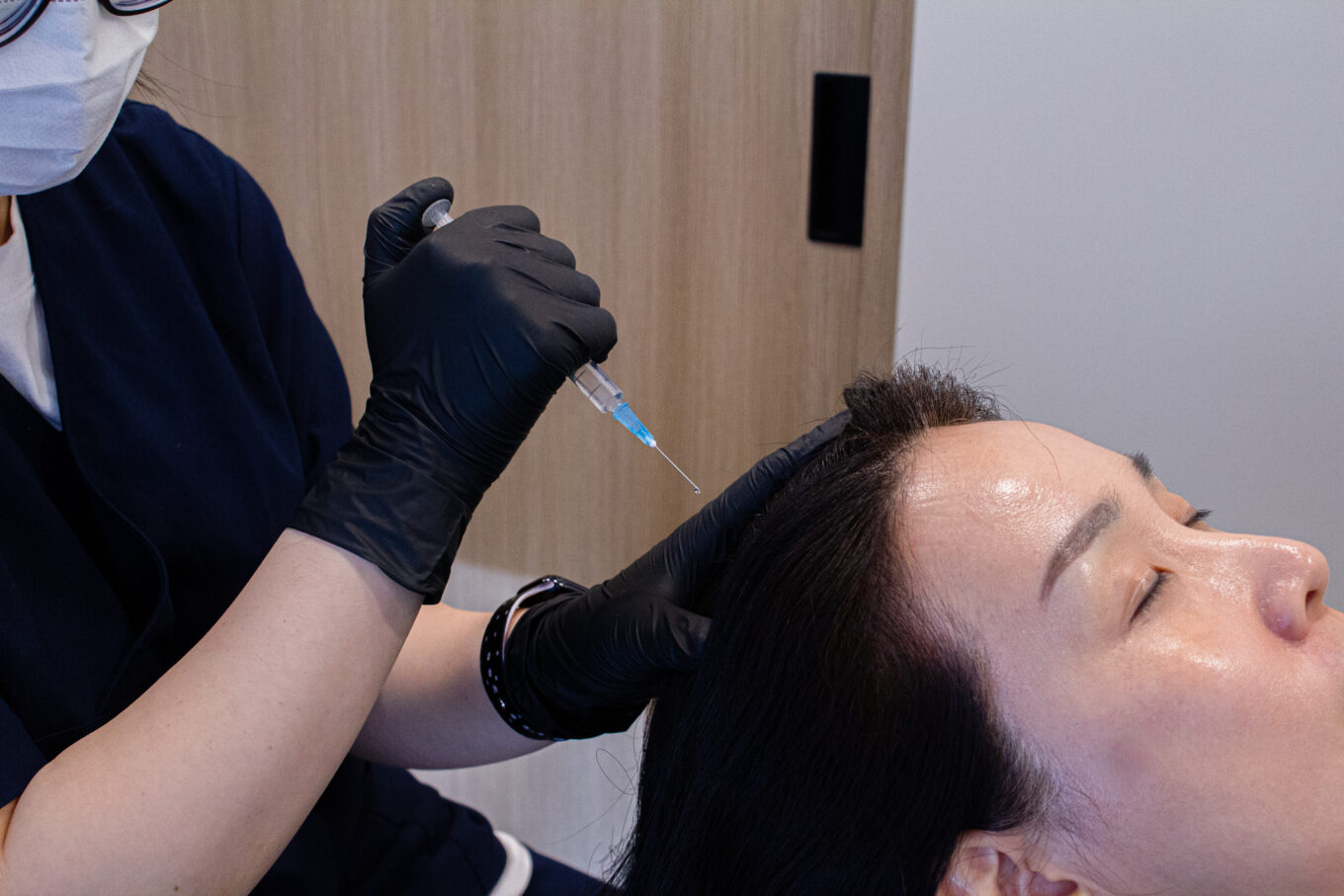
Next came scalp Botox injections. I felt nervous again because it involved injections, but it was not particularly painful either.
I had always understood Botox as a medication used in dermatology to relax muscles and reduce wrinkles. So how does it work on the scalp?
Dr. Hyunggon Son explained that when the scalp muscles become contracted due to stress or tension-related factors, they can compress blood vessels and reduce blood flow to the hair follicles. Because Botox has muscle-relaxing properties, it may help relieve tension in the scalp fascia and reduce vascular compression. He also explained that it can have a calming effect on nerve endings, helping alleviate symptoms such as scalp itching and redness. For patients with stress-related hair loss, combining hair loss medication with scalp Botox may improve treatment response rates and help restore scalp health.
What left the strongest impression on me was his explanation that hair loss does not improve through a single treatment. Instead, it requires a long-term approach that includes treatments aimed at reducing the factors that worsen hair loss.
After the Procedure — The Finishing Steps for Recovery

The treatment process continued even after the injections were completed.
A soothing ampoule was applied to calm the scalp and provide additional nourishment. I was told that applying the ampoule immediately after injection therapy improves absorption efficiency and supports faster recovery. A device called Y-Lifting was then used to stimulate the scalp as though gently lifting it. This helps ensure that the effects of treatment are not limited to a localized area and promotes smoother blood circulation around the hair follicles throughout the scalp.
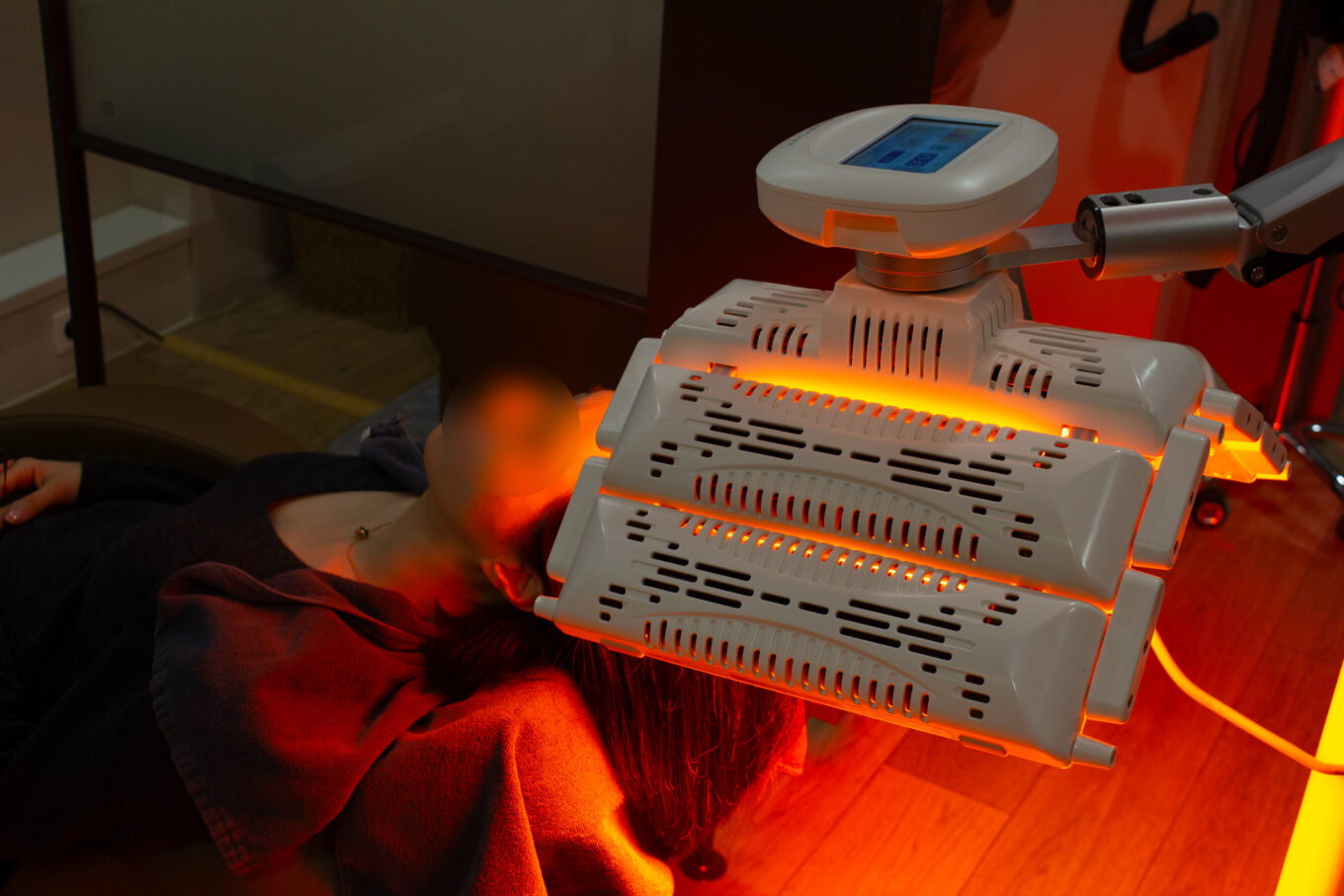
This was followed by infrared therapy and a light-based treatment called SmartLux. After completing the entire recovery-focused process, I found myself wondering why I had hesitated for so long before visiting the clinic. I wished I had come sooner.
A Treatment Process With a Clear Flow and Confidence in Recovery
After completing my first visit to HairON Clinic, I realized that hair loss treatment is not simply about receiving a prescription.
The process logically connects identifying the cause, adjusting the scalp environment, and managing recovery. The treatment structure is designed to place the scalp in a condition where treatment can be effective, support follicle recovery, and then stabilize the scalp after stimulation. In other words, it gradually removes the factors contributing to hair loss, allows the scalp to recover gradually, and helps maintain a stable scalp environment over time.
Rather than being the kind of clinic often described as a “hair loss prescription factory,” HairON Clinic seemed genuinely committed to treatments that reduce the environmental factors that worsen hair loss. It made me think that with this kind of management, the scalp and hair could only become healthier over time.
More than anything, what remained after my visit was not anxiety but reassurance from finally understanding my current condition.

When I stepped into the hallway after treatment, I noticed a hair dryer station prepared along one side of the corridor. It was a thoughtful space where patients could tidy their hair after lying down for procedures and treatments. It may seem like a small detail, but it reflected the clinic’s consideration for the patient experience.
From testing to post-treatment care, the entire visit took less than an hour. I was told that future visits would likely take around 30 minutes, making it easy to fit appointments into a weekday lunch break. Because of that, I immediately scheduled my next visit.
After learning that a combination of nutritional treatments and medication therapy could potentially help restore my hair to a healthier condition, I felt hopeful.
What I realized through this visit was that accurately understanding my current condition and establishing a direction is far more reassuring than simply worrying about it. I also came to understand that when hair loss is still in its early stage, both the available treatment options and the potential for recovery can be very different.
The process was far less burdensome than I had expected. Most importantly, the anxiety of wondering, “What if it has progressed more than I thought?” had become much smaller.
If you have been hesitating, thinking, “Maybe it’s not time yet,” like I was, it may not be too late to start simply by finding out what stage your condition is currently in.
Book a Hair Loss Cause Diagnosis
Gangnam Station (Shinbundang Line) Exit 6 — HairON Clinic After scalp and follicle analysis, we design a customized treatment program tailored to your stage of crown hair loss. Rather than spending time worrying, accurately checking your current condition is the fastest beginning to effective treatment.
Hair Loss Research Center
View All ArticlesFind the Cause Before the Treatment.
Start with an accurate diagnosis at Hairon Clinic near Gangnam Station. Our internal medicine specialists identify the cause of your hair loss and recommend the right treatment based on the findings.
Book DiagnosisHairON ClinicHours of Operation
- Weekdays (Mon–Fri)
- Saturday
- Lunch Break
- Phone Consultation
- 3F, Hongwoo Building, 373 Gangnam-daero, Seocho-gu, Seoul, South Korea
Insights » Hair Loss Treatment by Dr. Hyunggon Son
A First Visit Story: Female Hair Loss in Her 40s at HairON Clinic
Hair loss in women in their 40s may not be simply a sign of aging. If you’re concerned about thinning hair or reduced volume, explore the causes and management options through a first visit to Hairon Clinic.