
Our Approach
Setting the Standard for Hair Loss Treatment
HairON never begins treatment without a diagnosis.
Our internal medicine specialists analyze the causes of hair loss through four steps—medical consultation and precision examination, scalp and hair follicle testing, blood tests, and autonomic nervous system testing—to provide personalized treatment based on the findings.
Our Approach
Personalized Treatment Starting from the Root Cause
HairON addresses hair loss through a consistent process of diagnosis, treatment, and maintenance. All treatments begin only after a precision diagnosis.
Diagnosis
Precisely Identifying the Root Cause
Through medical consultation, scalp and hair follicle analysis, autonomic nervous system testing, and blood tests, we evaluate both the internal and external causes of hair loss.
The initial process takes approximately 60 minutes on average.
4 Types of Diagnostic Tests →
Treatment
Combining Treatments Tailored to the Root Cause
Stem cell therapy, HairON CHECK injections, scalp Botox, oral medications, and topical treatments are carefully combined according to each patient’s diagnostic results. We do not use one-size-fits-all treatment packages.
View Cause-Based Prescriptions →
Maintenance
Managing Results Beyond Treatment
Even after treatment is completed, we continue to monitor progress through regular follow-ups and maintenance therapy.
Hair loss is not a condition that ends with a single prescription.
Long-Term Management →
HairON architects
effective treatment strategies
grounded in medical diagnosis.
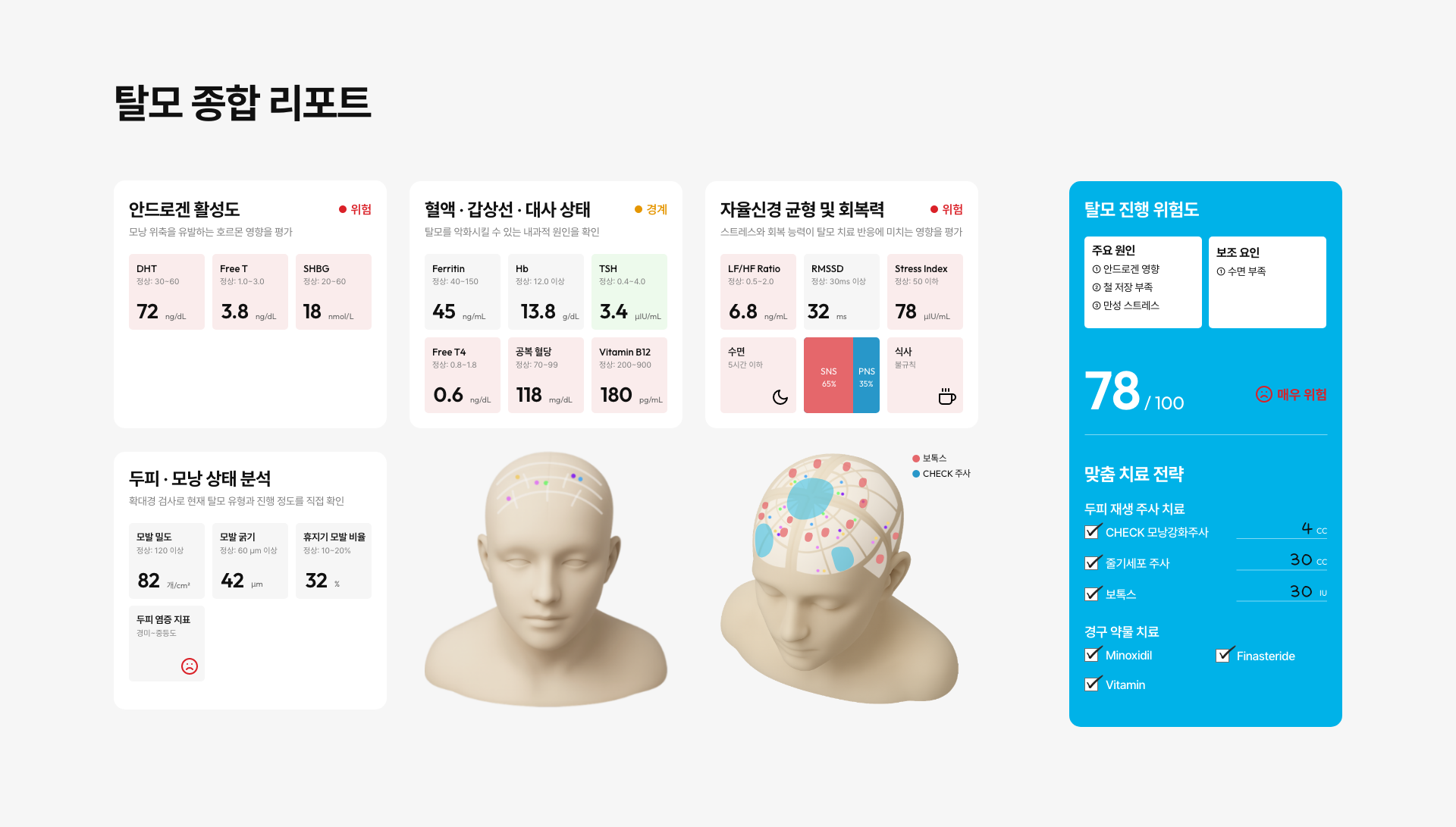
Hairon Diagnosis Report
Visualize and Measure Your Hair Loss Condition
HairON Clinic analyzes hair and scalp health alongside hormonal, blood, metabolic, and autonomic nervous system markers. This comprehensive evaluation helps determine your risk of hair loss progression and guides the most appropriate treatment approach.
Diagnosis Protocol
4-Step PrecisionDiagnostic Protocol
We conduct 4 specialized tests and establish personalized treatment plans based on the results.
01
Medical Consultation & Precision Examination
We thoroughly review family history, lifestyle habits, stress levels, and hormonal history through an in-depth consultation lasting over 30 minutes.
View Details →02
Scalp & Hair Follicle Analysis
Using 60x magnification microscopy, we quantitatively assess hair density per follicle, scalp inflammation, and sebum condition.
View Details →03
Autonomic Nervous System Assessment
We evaluate the balance between the sympathetic and parasympathetic nervous systems to identify stress-related causes of hair loss.
View Details →04
Blood Testing
Internal causes are identified through various blood tests, including ferritin, thyroid function, and hormone testing.
View Details →Symptoms
Treatment Information by Symptom
Explore the causes, diagnostic methods, and treatment protocols for 7 major types of hair loss.

Female Pattern Hair Loss
Rather than appearing as specific bald spots, female hair loss is characterized by a gradual decrease in overall hair density, primarily centered around the part line. Many patients miss the optimal treatment window, thinking it is "not quite hair loss" because there are no conspicuous empty patches. However, female hair loss has a high recovery potential when managed early.
Hair loss characterized by a decrease in overall density →
Reduced Hair Volume
Reduced hair volume refers to a gradual decline in overall hair density and fullness without noticeable bald spots or changes in the hairline.
If you find yourself thinking, “It’s probably not hair loss, but my hair definitely feels thinner than before,” it may already be a sign that your follicles are losing their growth strength.
Not simply hair loss from shedding, but weakened hair growth state →
Scalp Inflammation & Itching
Scalp inflammation and itching may seem like simple skin irritation, but they can either trigger hair loss or worsen existing hair loss.
If the itching is persistent or accompanied by redness, flaking, or heat, the scalp environment may already be too compromised for healthy follicles to thrive.

M-Shaped Hair Loss
"M-shaped hair loss is characterized by a gradual recession of the hairline at both temples, making the forehead appear wider.
Because the changes are visually noticeable, it is often recognized relatively early. However, it also tends to progress quickly, and delayed treatment can make recovery more difficult."

Crown Hair Loss
"Crown hair loss is one of the hardest types to detect on your own.
Because the crown area is difficult to see in the mirror, many people do not notice changes until they see photos or hear comments from others. As a result, treatment often begins only after the hair loss has already progressed significantly."

Alopecia Areata
Alopecia areata is a form of hair loss in which hair falls out in round or oval-shaped patches.
Unlike other types of hair loss, it often develops suddenly, with little to no pain or itching, and is frequently discovered unexpectedly while looking in the mirror.
Rather than being caused by damaged follicles themselves, alopecia areata is associated with an abnormal immune response.
Post-Transplant Hair Loss
Hair transplantation can be an effective solution for hair loss, but further hair loss may still occur after the procedure, either in the transplanted area or among existing native hairs.
If you are wondering, “Why is my hair falling out again even after a transplant?”, it may not simply be a failed procedure, but a sign of ongoing hair loss progression.
Treatment Methods
Root Cause-BasedPersonalized Treatment
Based on diagnostic results, we combine four specialized treatments to construct a personalized treatment plan. We do not use standardized, one-size-fits-all prescriptions.
01
Stem Cell Hair Loss Therapy
stem cell hair loss treatment
A treatment that creates an environment where hair follicles can respond again
Beyond just suppressing the progression of hair loss, this therapy helps weakened follicles respond to the growth cycle once again.
02
HAIRON CHECK Injection
check scalp injection
A follicle-strengthening injection that helps hair grow thicker again
This treatment restores nutritional balance in the scalp and improves follicle resilience, helping hair regain its strength naturally.
03
Scalp Botox
scalp botox
A treatment that relaxes scalp tension and restores blood flow to follicles
By relieving excessive scalp tension, this treatment creates an environment where hair follicles can function properly again.
04
Hair Loss Medication (Oral & Topical)
04 탈모약 (경구약·외용제)
The first step in treatment is selecting the right medication for the cause
The key is understanding which medication is appropriate for your current follicle condition.
The key is understanding which medication is appropriate for your current follicle condition.
Treatment Results
Treatment Progress Data
These results are based on personalized treatment plans guided by individual diagnostic findings, not a single standardized treatment approach. All data has been anonymized, and outcomes may vary depending on the individual.
View Full Treatment Results →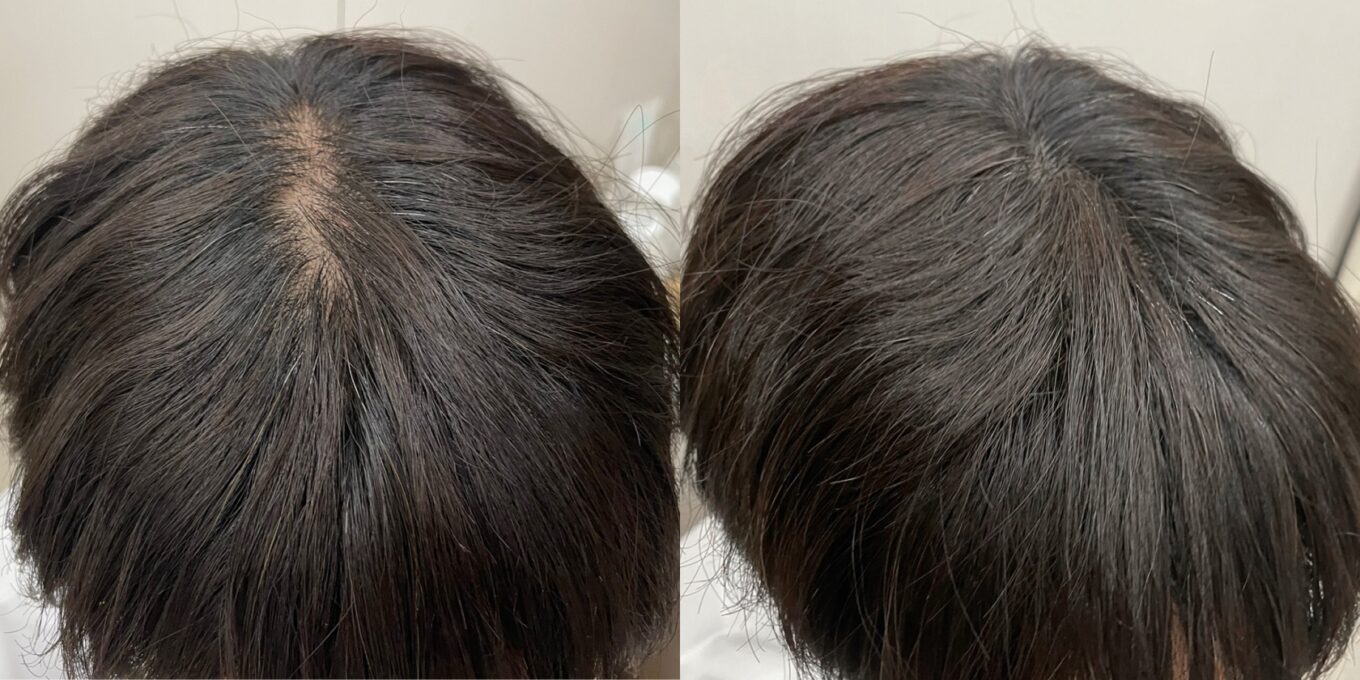 10 sessions
Stem Cell Premium
 12 sessions
CHECK Luxe Package
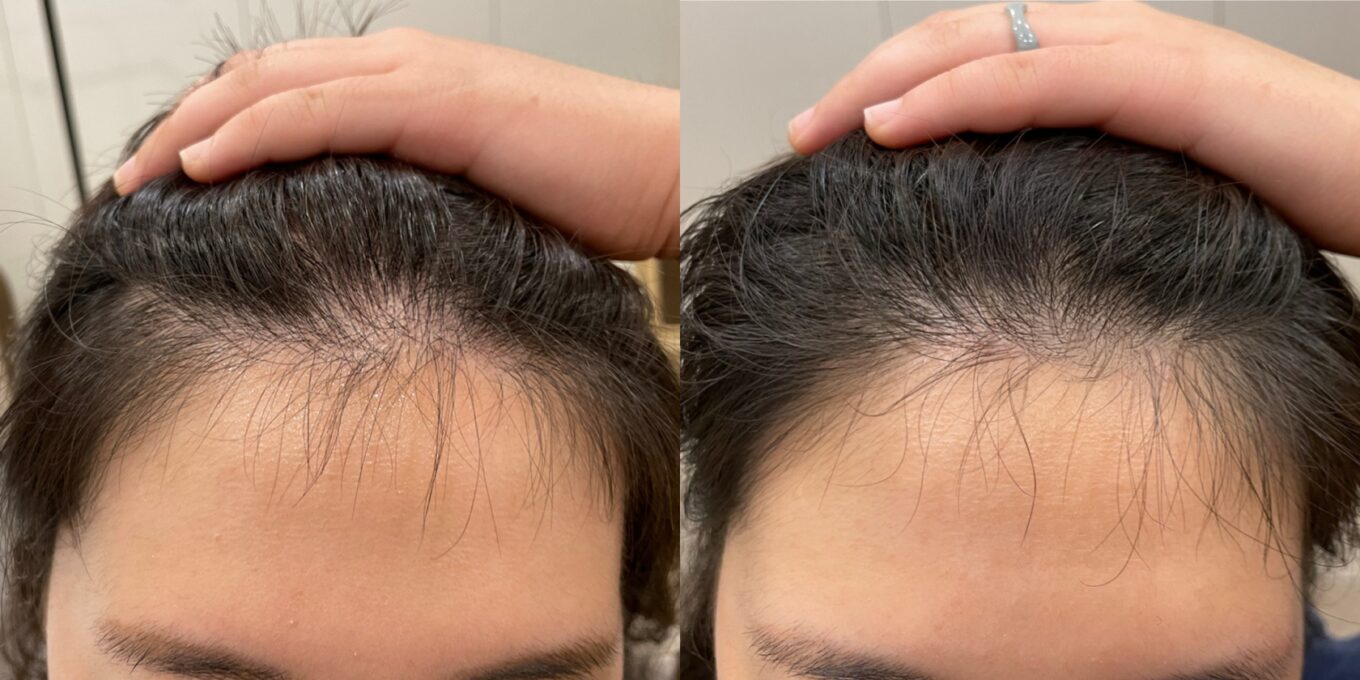 10 sessions
CHECK Signature Package
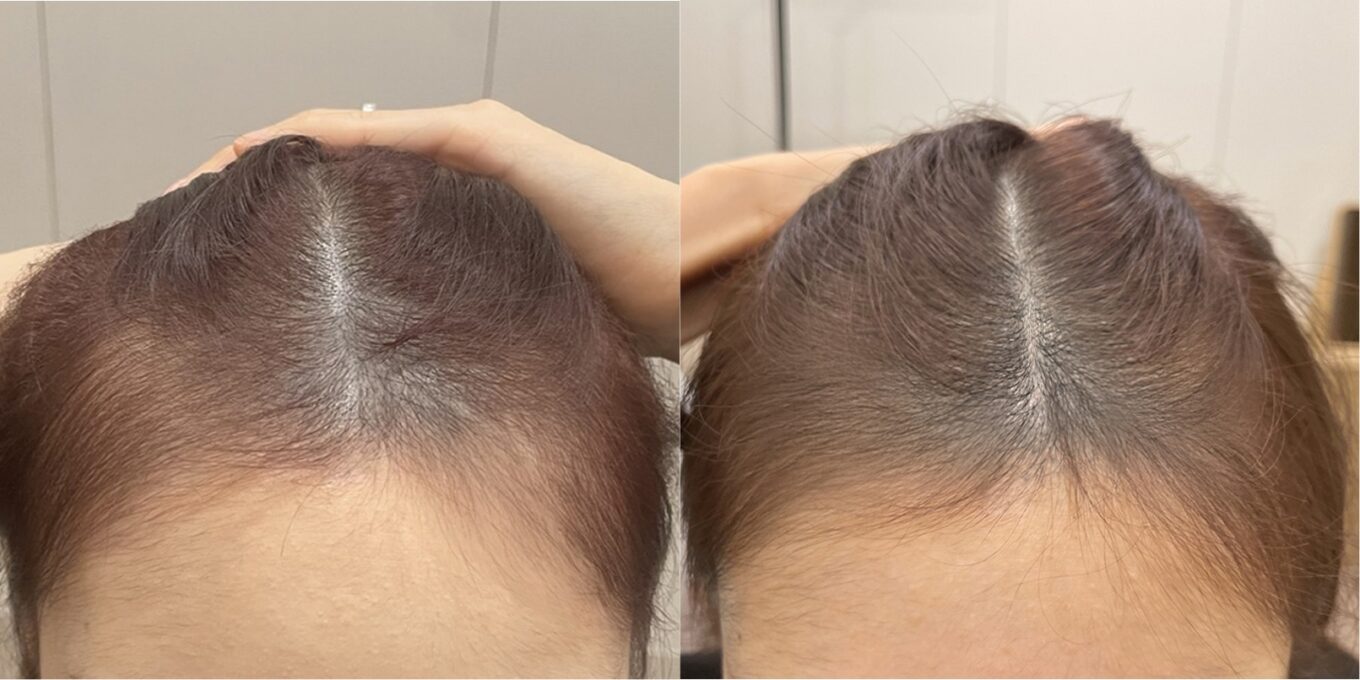 12 sessions
CHECK Platinum Package
※ 치료 결과는 개인의 탈모 원인·생활 습관·치료 순응도에 따라 차이가 있을 수 있습니다. 의료법 및 의료광고 가이드라인에 따라 환자 동의하에 익명 처리된 수치 데이터를 제공합니다.
Medical Staff
We Do Not
Begin Treatment
Without Diagnosis
Hair loss is not simply a scalp issue. It can be the result of systemic factors such as immune response, hormones, stress, and nutritional status.
Because treatment priorities differ depending on the underlying cause, HairON Clinic conducts a precise evaluation focusing on internal medical origins.
Because treatment priorities differ depending on the underlying cause, HairON Clinic conducts a precise evaluation focusing on internal medical origins.
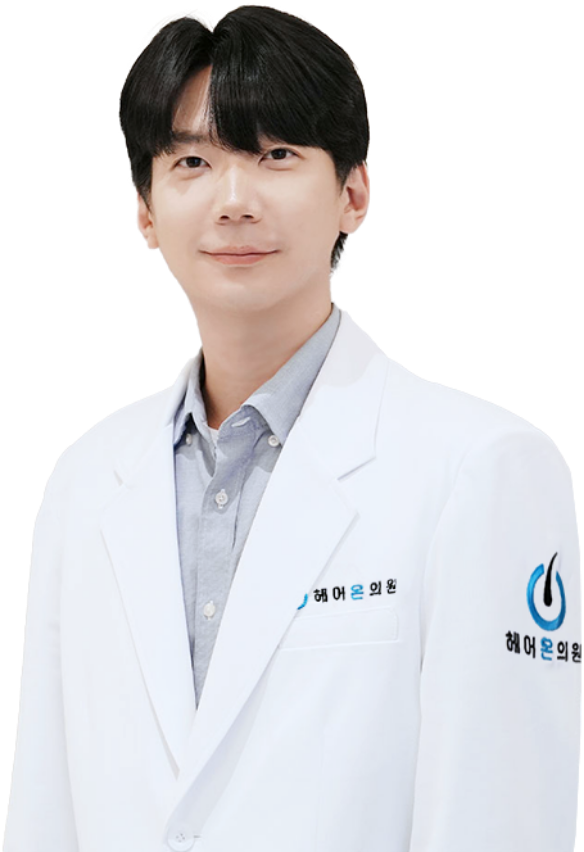
Dr. Hyunggon Son
Internal Medicine Specialist · Member of the Korean Hair Research Society · Certified Functional Medicine Physician
Hair Loss Research Center
This medical information archive is based on clinical cases observed in practice
and findings from domestic and international hair loss research.
View all articlesand findings from domestic and international hair loss research.
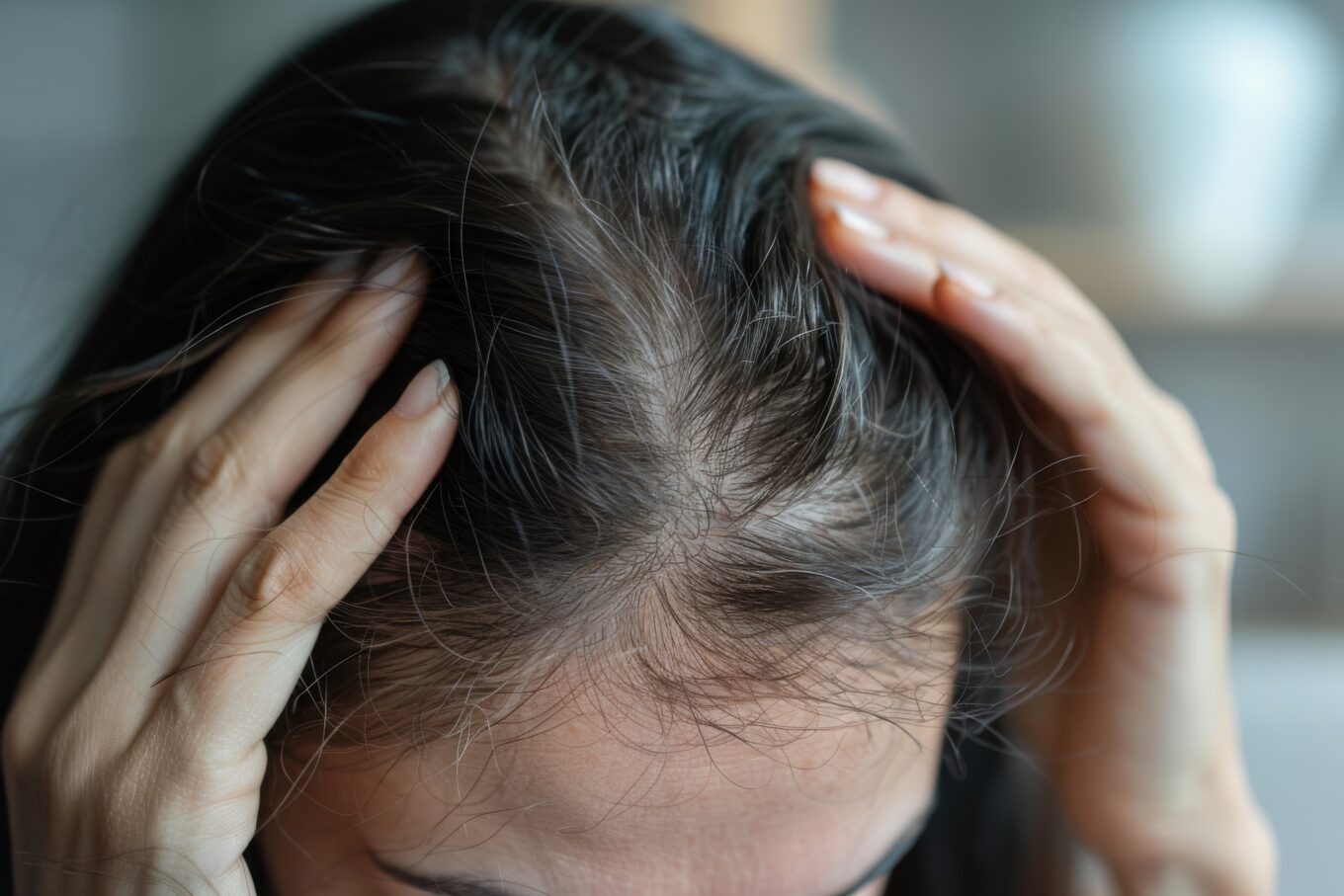
There are days when you’re drying your hair and, out of nowhere, something feels different in the mirror. Under bright…
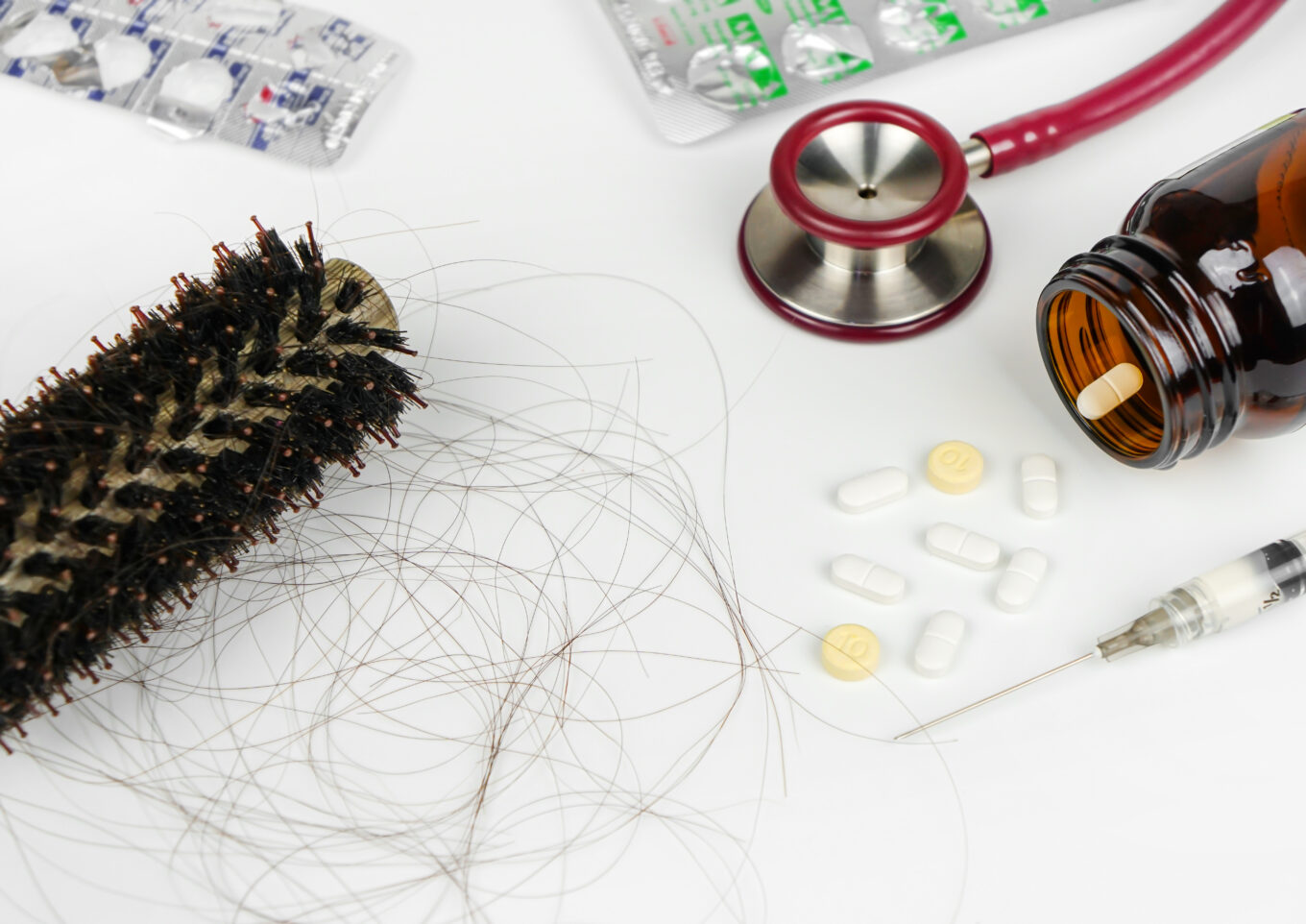
Hair transplantation is undeniably one of the most powerful options in hair loss treatment. People with a noticeably receding hairline…

HairON Clinic treats hair loss through an internal medicine-based approach without overtreatment. We spoke with a hair loss specialist about…
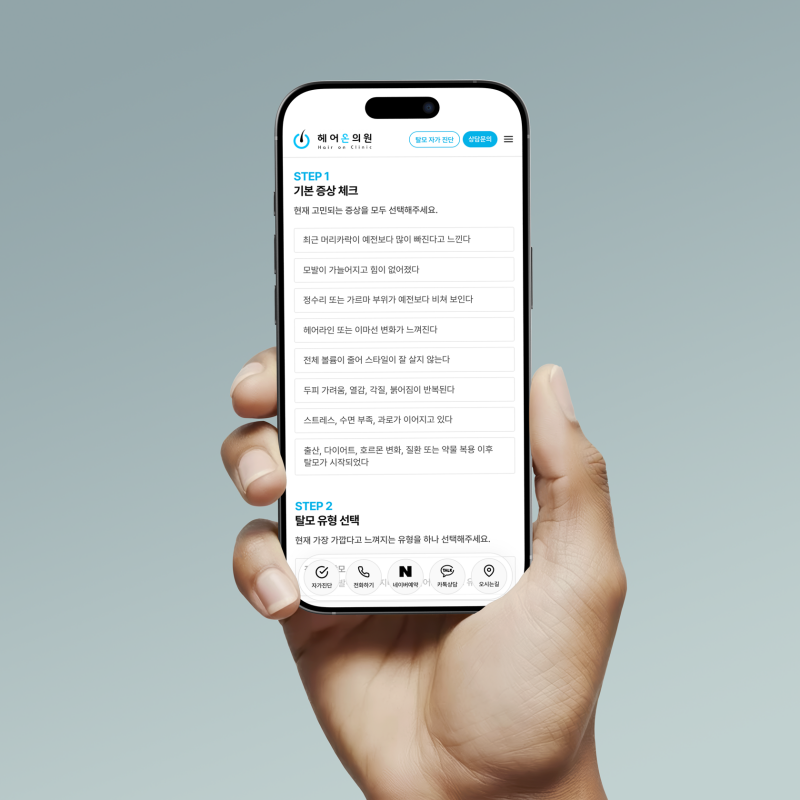
Self Diagnosis
Hair Loss
Self-Diagnosis
Identify Your Type
First
Hair loss differs in cause and treatment depending on the type.
Before visiting a clinic, take a moment to understand which type of hair loss you may be experiencing.
Start Self-DiagnosisBefore visiting a clinic, take a moment to understand which type of hair loss you may be experiencing.
HairON ClinicHours of Operation
- Weekdays (Mon–Fri)
- Saturday
- Lunch Break
- Phone Consultation
- 3F, Hongwoo Building, 373 Gangnam-daero, Seocho-gu, Seoul, South Korea
Insights » Hair Loss Treatment by Dr. Hyunggon Son
A First Visit Story: Female Hair Loss in Her 40s at HairON Clinic
Hair loss in women in their 40s may not be simply a sign of aging. If you’re concerned about thinning hair or reduced volume, explore the causes and management options through a first visit to Hairon Clinic.