
7 Essential Checklist Items Before Deciding on Hair Transplant Surgery in 2026
Hair transplantation is undeniably one of the most powerful options in hair loss treatment. People with a noticeably receding hairline or those who have undergone…
Hair transplantation is undeniably one of the most powerful options in hair loss treatment. People with a noticeably receding hairline or those who have undergone long-term medication treatment without meaningful response often naturally consider hair transplant consultations. It is also common to search for before-and-after photos and read reviews to build expectations. However, there is one essential question that must come first: “Is this really the right stage for a hair transplant right now?”
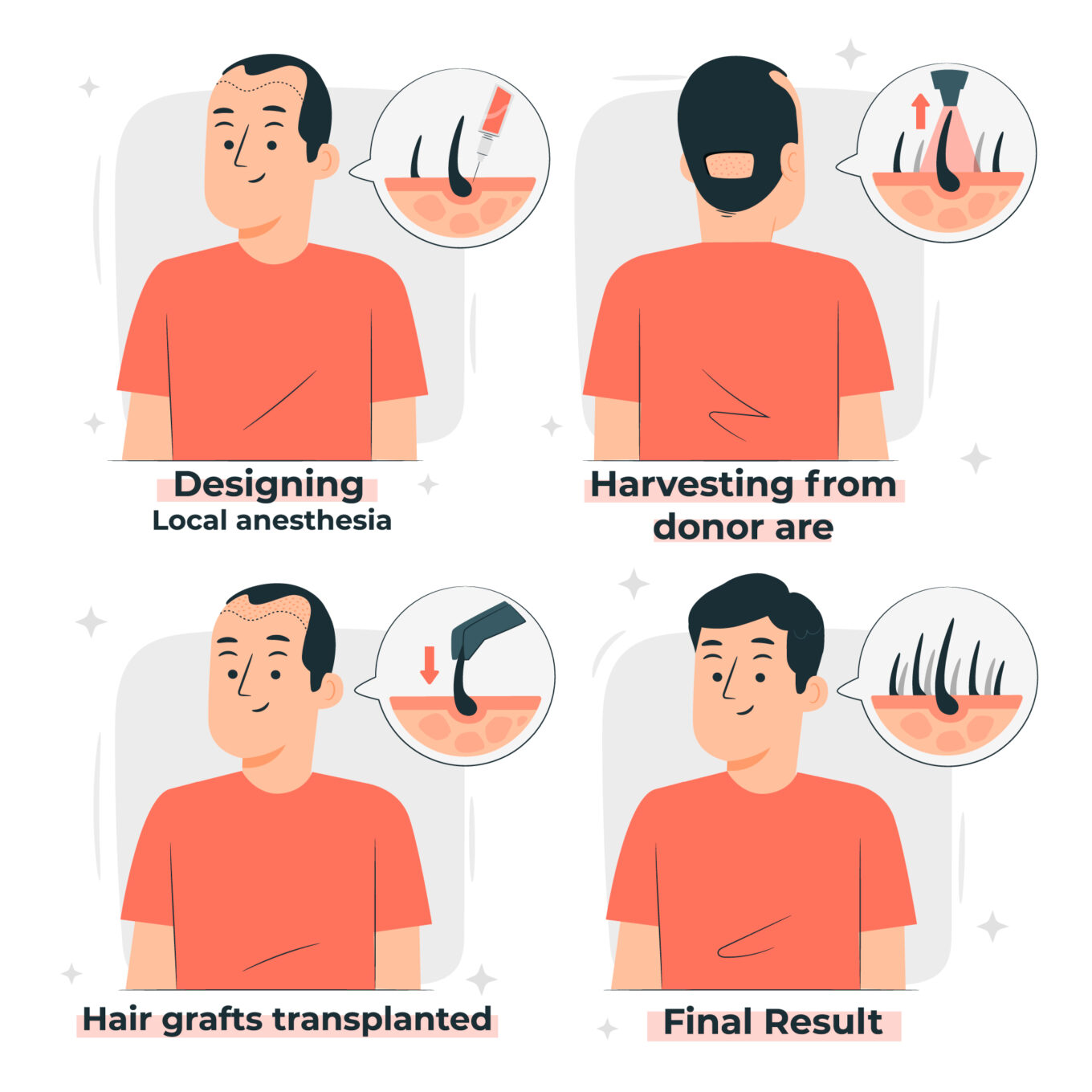
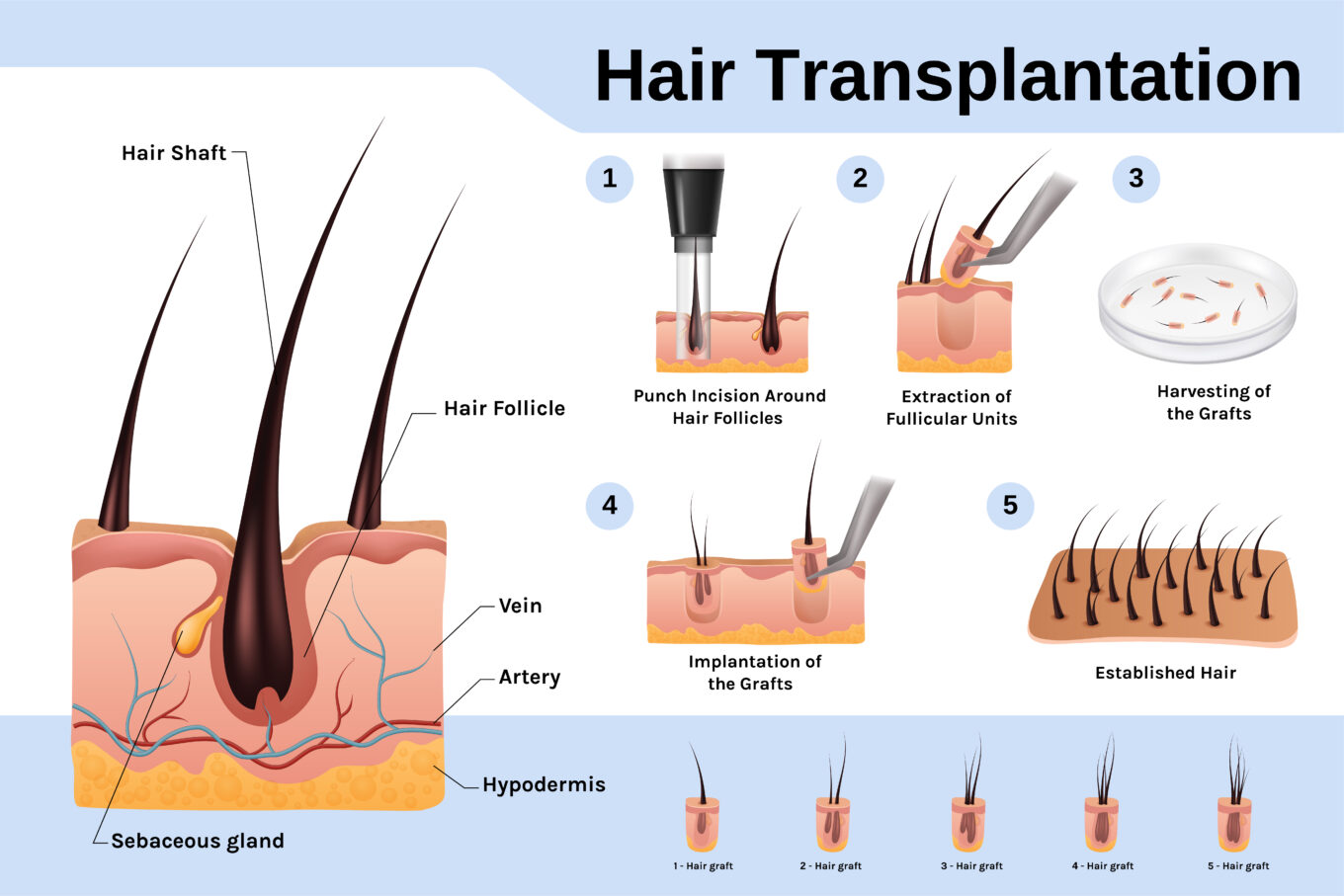
Surgery is not something to decide based solely on outcome photos. A proper medical judgment must come first, taking into account the current cause and stage of hair loss, as well as hormonal balance and overall systemic health. As of 2026, hair transplant techniques have advanced significantly, but at the same time, marketing exaggeration and unnecessary surgical promotions have also increased. Before comparing techniques such as FUT (strip surgery) versus FUE (non-shaven or follicular unit extraction), you must first determine whether your body is truly ready for surgery and whether surgery is actually necessary at this stage. This article presents seven essential checkpoints to guide that decision.
Check 1.
Is My Hair Loss Still Progressing or Already Stable?
Hair transplantation involves moving hair follicles into areas where hair has already been lost. But what happens if hair loss is still active? The transplanted area may be filled, but surrounding native hair can continue to fall out, reducing overall density again. According to academic materials from the Korean Hair Restoration Society, a significant proportion of male pattern hair loss patients experience progressive thinning in their 20s–30s, and early medical stabilization significantly affects surgical outcomes.
To maintain long-term results after a hair transplant, it is essential to objectively assess whether hair loss is currently active or stabilized before deciding on surgery. Surgery performed after stabilization and surgery performed during active progression can lead to dramatically different long-term satisfaction.
Check 2.
Are the Follicles Truly ‘Lost’ or ‘Just Miniaturized?’
Thinning hair and reduced density do not always mean that follicles are gone. If follicles are completely lost, transplantation may be the only viable option. However, if follicles are miniaturized, there may still be potential for recovery through medication or scalp treatment. Without distinguishing between these two conditions, surgery may lead to unnecessary cost and physical burden.
Whether FUT or FUE is chosen, the key question is not the technique itself, but whether surgery is actually needed. A detailed scalp follicle analysis should be performed first to confirm follicle viability before deciding on surgery.
Check 3.
Have Hormonal Tests Been Performed?
It is well known that dihydrotestosterone (DHT) plays a major role in male pattern hair loss. However, it is risky to assume hair loss is purely genetic.
Internal medical conditions such as hypothyroidism, hyperprolactinemia, or adrenal hormone imbalance can also trigger or worsen hair loss. According to guidelines from the Korean Endocrine Society, thyroid dysfunction can be clearly associated with hair loss, and improvement has been observed after hormonal correction.
Without evaluating hormonal imbalance, transplanted hair may survive while existing hair continues to shed. To ensure stable long-term outcomes, baseline hormonal tests such as TSH, free T4, prolactin, and androgen profiles should be checked before surgery.
Check 4.
Have Anemia and Nutritional Deficiencies Been Ruled Out?
Iron, zinc, and vitamin D deficiencies can directly disrupt the hair growth cycle. In female patients especially, iron-deficiency anemia is closely linked to telogen effluvium. If systemic nutritional deficiencies are not corrected, overall hair condition may not improve even after surgery. Many hair transplant reviews mention that while the transplanted area looks denser, overall hair volume still feels insufficient—sometimes due not to surgical failure, but underlying nutritional imbalance. Preoperative blood testing is essential to assess basic nutritional status.

Check 5.
Autonomic Imbalance and Chronic Stress
Chronic stress and sleep disturbance continuously increase cortisol levels, which can accelerate the transition of hair follicles into the resting phase. If autonomic nervous system imbalance exists, it may negatively affect both recovery and graft survival after surgery. Hair transplantation is a surgical procedure, and recovery depends not only on the scalp but on the overall condition of the body. Evaluating sleep quality, stress levels, and autonomic balance before surgery—and stabilizing them if necessary—can significantly improve both recovery speed and final outcomes.
Check 6.
FUT vs FUE — Is That Really the Right Question?
Many patients ask first: “Is FUT better, or is FUE better?” However, this is actually a secondary question. The first question should be: “Do I actually need a hair transplant at this stage?” Only after that decision is made does it make sense to evaluate whether strip harvesting is better for large graft numbers or whether FUE is better for minimizing scarring. Regardless of method, the shared prerequisite is whether the donor area is healthy and sufficient. What determines satisfaction after surgery is not the technique itself, but correct indication and surgical planning.
Check 7.
Why Am I Choosing a Hair Transplant Now?
This is the most important yet most easily overlooked question. What do you expect from this procedure? Hairline correction, increased density, or relief from psychological distress? Many reviews emphasize improved confidence and appearance. However, hair transplantation is not a psychological treatment—it is a medical procedure indicated only when clinically appropriate. If surgery is performed before stabilization, initial satisfaction may fade over time as surrounding hair continues to thin. Aligning timing and expectations is essential for long-term satisfaction.
Conclusion.
Conclusion. Diagnosis Comes Before Decision
Hair transplantation is an effective treatment, but it is not necessary for every patient. Whether FUT or FUE is chosen, the most important factor is not the method, but an accurate and objective diagnosis of your current condition.Before focusing on before-and-after photos or reviews, check your hormonal status, nutritional balance, and whether your hair loss has stabilized. Without correcting internal factors, surgical results are likely to be temporary. With proper diagnosis first, outcomes are far more stable and long-lasting.
HairON Clinic does not apply a one-size-fits-all approach. Every patient undergoes detailed consultation and diagnostic testing, and treatment plans are designed individually based on results. Because every case differs in progression, type, and scalp condition, standardized treatment is not appropriate.
Using hospital-grade diagnostic tools, scalp and follicle conditions are analyzed in detail, and internal medical factors are evaluated when necessary. Treatment direction is then determined strictly based on findings, and unnecessary procedures are not recommended.
The “Check Injection,” developed in collaboration with university research institutions, is a patented treatment program supported by clinical data, showing meaningful improvement even in difficult cases.HairON Check Injection
However, no single treatment is forced. Depending on the patient, oral medications such as finasteride or dutasteride may be prioritized, and regenerative therapies or scalp programs may be combined for better stability. The key is not the method itself, but choosing what is appropriate for the current condition.
To reduce financial burden, treatment costs are designed realistically, with hair loss medications starting in the 5,000 KRW range and procedures starting in the 100,000 KRW range.
If hair transplant costs feel burdensome, it is important to first determine whether surgery is truly necessary or whether improvement is possible through other methods. The right timing and method make all the difference.
For consultation and booking, please contact us via the website.
Hair transplantation is a choice—but diagnosis is essential.
In addition, many patients visit HairON Clinic due to recurrent hair loss after transplantation. This is also an important area to consider.
Book a Hair Loss Cause Diagnosis
Gangnam Station (Shinbundang Line) Exit 6 — HairON Clinic After scalp and follicle analysis, we design a customized treatment program tailored to your stage of crown hair loss. Rather than spending time worrying, accurately checking your current condition is the fastest beginning to effective treatment.
Hair Loss Research Center
View All ArticlesFind the Cause Before the Treatment.
Start with an accurate diagnosis at Hairon Clinic near Gangnam Station. Our internal medicine specialists identify the cause of your hair loss and recommend the right treatment based on the findings.
Book DiagnosisHairON ClinicHours of Operation
- Weekdays (Mon–Fri)
- Saturday
- Lunch Break
- Phone Consultation
- 3F, Hongwoo Building, 373 Gangnam-daero, Seocho-gu, Seoul, South Korea
Insights » Hair Loss Treatment by Dr. Hyunggon Son
A First Visit Story: Female Hair Loss in Her 40s at HairON Clinic
Hair loss in women in their 40s may not be simply a sign of aging. If you’re concerned about thinning hair or reduced volume, explore the causes and management options through a first visit to Hairon Clinic.