
Is Follicle Strengthening Injections the Answer to Hair Loss?Understanding the Benefits and Limitations
If you’ve been dealing with hair loss for a while, chances are you’ve come across the term “follicle strengthening injections.” You may have already tried topical…
If you’ve been dealing with hair loss for a while, chances are you’ve come across the term “follicle strengthening injections.”
You may have already tried topical treatments or even considered oral medications—but when the results don’t feel quite enough, it’s only natural to start wondering, “Should I try injections next?”
In many hair clinics, these injections are a common part of treatment. On the surface, the idea of “strengthening the hair follicles” can sound like a more direct and effective solution.
At the same time, not everyone has a clear understanding of what this treatment really involves—who it’s best suited for, and what its limitations may be—before deciding to move forward.
What are Follicle Strengthening Injections?
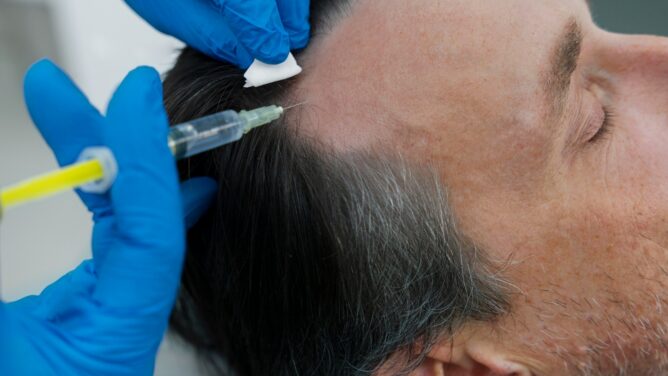
Follicle strengthening injections are designed to improve the condition of the scalp and the area surrounding hair follicles that have weakened due to hair loss. The treatment involves delivering a combination of growth factors, amino acids, vitamins, anti-inflammatory agents, and circulation-enhancing compounds directly into the scalp. The goal is to help follicles regain their ability to respond to natural growth signals.
Unlike oral medications or topical treatments—which work indirectly through the bloodstream or skin absorption—this approach delivers key ingredients directly into the scalp layer. For that reason, it is often described as a way to “nourish the follicles.” More precisely, however, the treatment is not about creating new follicles, but about supporting the conditions that allow existing follicles to function more effectively.
Hair follicles typically weaken gradually over time. As this happens, hair becomes thinner, the growth phase shortens, and the resting phase becomes longer. At the same time, reduced blood flow around the follicles, along with ongoing inflammation and the effects of stress-related hormones, can interfere with the follicle’s ability to receive proper growth signals.
Follicle strengthening injections do not create new follicles or restore those that have already been lost. Instead, the treatment focuses on improving the environment around follicles that are still present but weakened. In other words, it is best suited for follicles that still have the potential to recover. For this reason, the treatment can be particularly effective in the early to mid stages of both male and female pattern hair loss.
Expected Benefits of Follicle Strengthening Injections
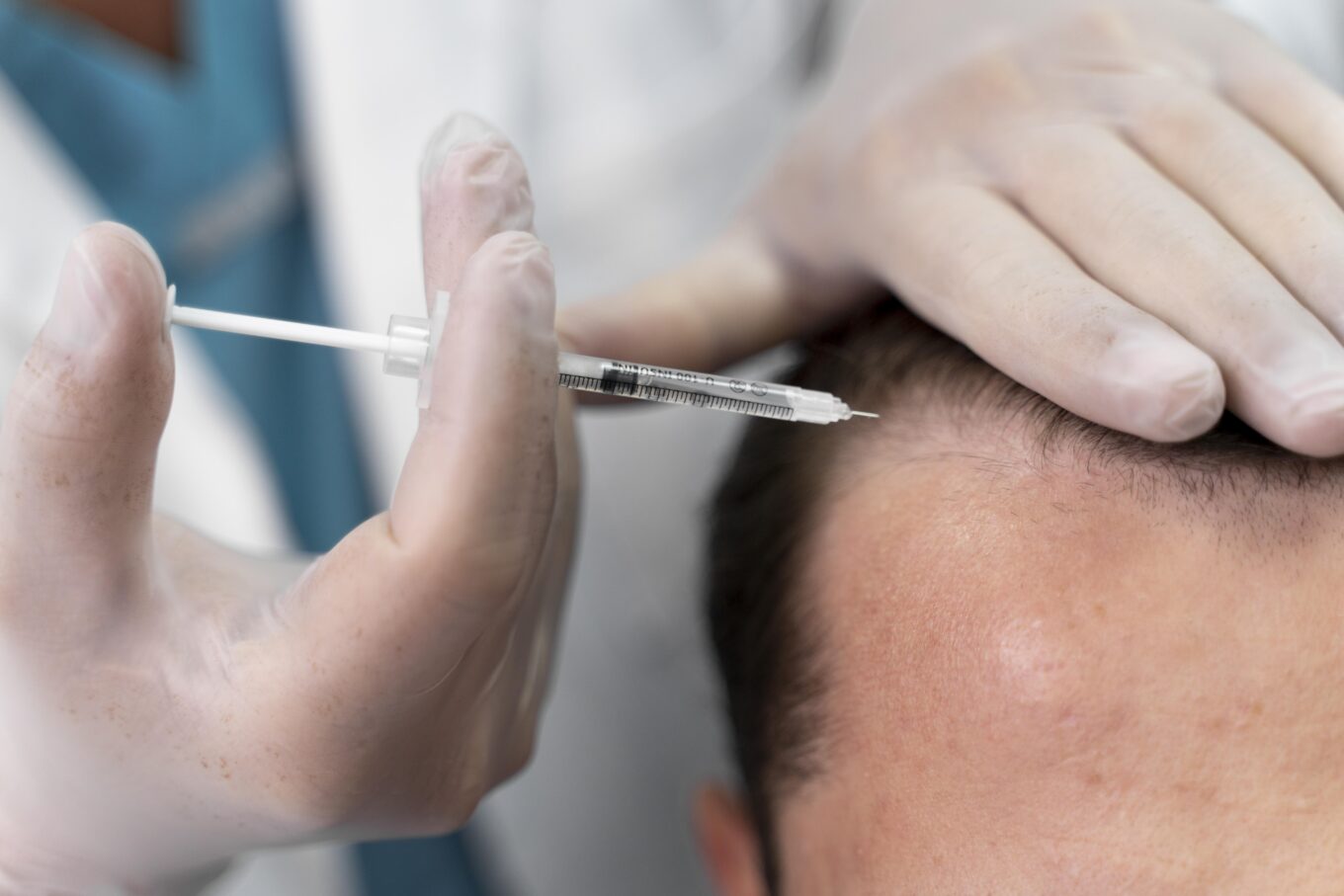
Follicle strengthening injections can help slow the progression of hair loss while improving overall hair quality.
As the scalp environment around the follicles improves, the hair growth phase tends to become more stable. Better blood circulation in the scalp can also support healthier scalp conditions overall. Over time, patients may notice gradual improvements in hair thickness and resilience, along with a slower rate of shedding.
This treatment can be especially helpful for patients who have already been using hair loss medications, such as minoxidil, or topical treatments but haven’t seen the results they expected. In these cases, follicle strengthening injections may help enhance the scalp environment, allowing those treatments to work more effectively. It’s not that injections replace medications, but rather that they support the conditions needed for those treatments to perform at their best.
It’s also important to understand that this is not an instant-result treatment. Instead of producing immediate changes, the injections work gradually to improve the scalp environment over time. Because of this, it may take some time before noticeable results appear—but once improvements become visible, patient satisfaction tends to increase significantly.
Are Follicle Strengthening Injections Effective in All Cases?
Follicle strengthening injections are not a one-size-fits-all solution for every patient experiencing hair loss.
First, if the hair follicles have already been lost, this treatment is unlikely to be effective. In areas where hair loss has progressed over a long period and the follicles are no longer present, there is simply no structure left to support—so injections alone cannot produce meaningful results.
Second, if the underlying cause of hair loss has not been addressed, the benefits may be limited. Ongoing issues such as hormonal imbalances, chronic stress, or dysfunction in the autonomic nervous system can continue to affect hair growth. Even if the scalp environment is temporarily improved, the results may not last without managing these root causes.
Third, in cases where hair loss is progressing rapidly, follicle strengthening injections alone may not be sufficient to keep up with the rate of hair loss progression. In these situations, a more comprehensive treatment approach is often necessary.
Fourth, repeating the procedure without a clear and accurate diagnosis can also lead to disappointing outcomes. Even if temporary improvement is seen, the condition may return to its previous state if the underlying factors are not properly identified and managed.
Patients who feel that “the injections didn’t work” often fall into one of these categories.
When Should Follicle Strengthening Injections Be Considered?
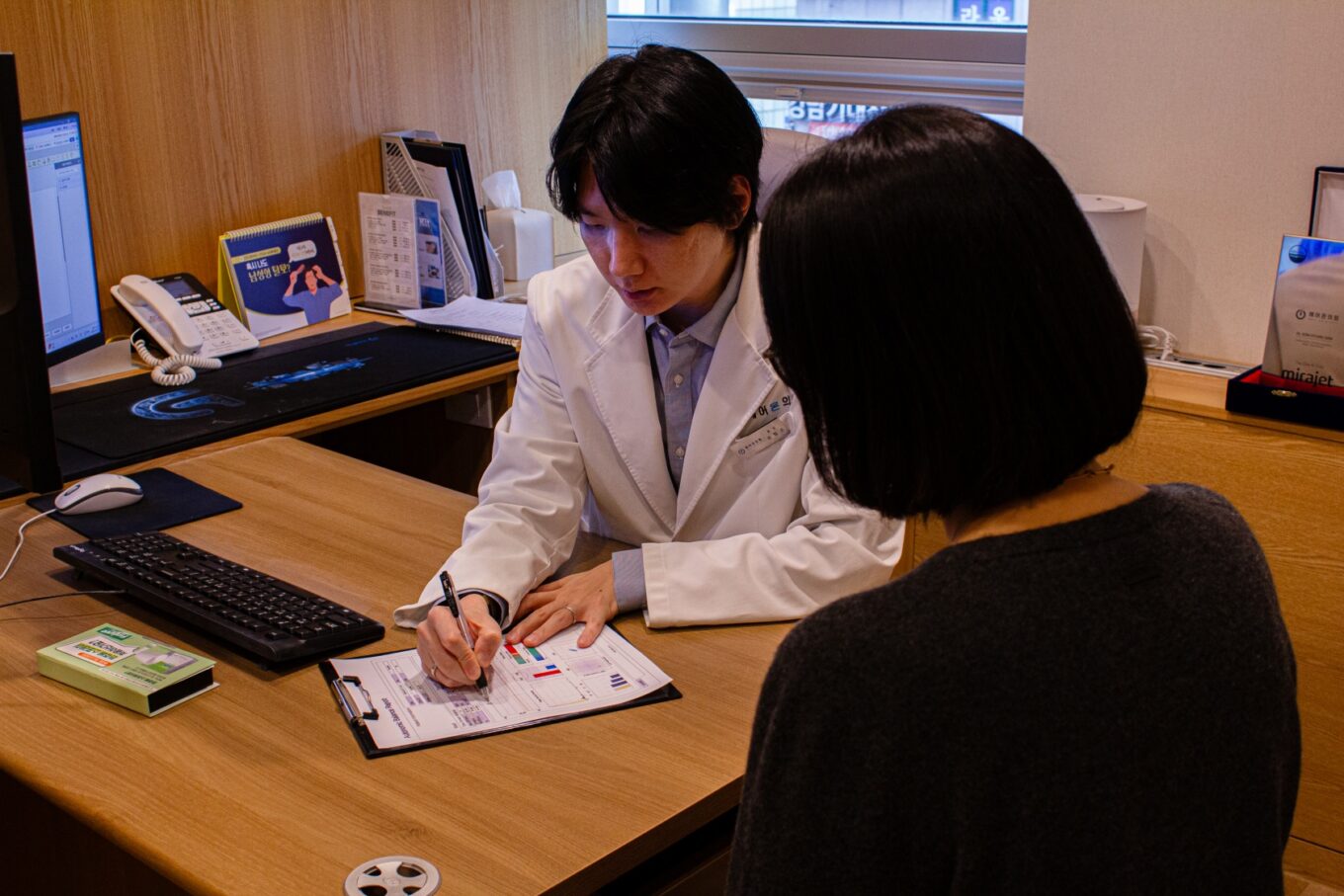
Follicle strengthening injections are typically recommended during the early to mid stages of hair loss, when viable hair follicles are still present and have the potential to recover.
They may be considered when medication alone does not produce sufficient results, or in situations where recovery is possible—such as postpartum hair loss or stress-related hair loss—and there is a need to support faster improvement. In cases where overall scalp condition or blood circulation is poor and follicle responsiveness appears reduced, this treatment can also be beneficial.
Each patient’s condition is carefully assessed to determine the most appropriate treatment, and follicle strengthening injections may be recommended when they are likely to be beneficial.
What’s the Difference Between Follicle Strengthening Injections and Oral Hair Loss Medications?
Follicle strengthening injections and oral hair loss medications are not alternatives that replace one another—they are complementary treatments.
Oral medications work systemically, helping to regulate the biological signals that contribute to hair loss throughout the body. In contrast, follicle strengthening injections act locally on the scalp, improving the environment around the hair follicles.
In many cases, the most stable and effective results are achieved when both approaches are used together—oral medications to slow down the progression of hair loss, and injections to enhance follicle responsiveness.
The key is not choosing one over the other, but identifying the right combination and sequence of treatments based on each individual’s condition.
Treatment Process and Post-Treatment Care
The procedure begins with preparing the scalp by gently removing excess oil, dead skin cells, and impurities, followed by the injection treatment. The entire process is relatively brief and well-tolerated.
There is little to no downtime, and normal daily activities can be resumed immediately after the procedure. Some patients may notice temporary symptoms such as mild stinging, redness, or slight swelling at the treatment sites, but these typically resolve on their own within a few days.
Since a series of treatments is often recommended, the frequency and interval of sessions are tailored to each individual’s condition and treatment response.
When Can Results Be Expected?
If only hair could start growing immediately after a single treatment—but in reality, most hair loss treatments work gradually over time rather than producing instant results.
The timeline can vary depending on the stage of hair loss and individual goals. In general, treatments are performed at regular intervals over multiple sessions, with follicle response evaluated along the way. Visible changes typically take several months to appear.
In most cases, sessions are scheduled every 2 to 3 weeks for a series of at least 3 to 5 treatments. During this period, scalp condition and follicle responsiveness are closely monitored, and maintenance intervals are adjusted based on progress. Some patients may notice reduced shedding or improvements in scalp condition after 2 to 3 sessions, but more noticeable changes in hair thickness and density often require around 6 months or longer to become clearly visible.
That said, it’s important to understand that meaningful changes can begin even after a single session. In particular, with stem cell–based treatments, growth factors and regenerative signals begin to act on the scalp after just one treatment, with effects that can support follicle recovery for up to about 6 months. In this sense, the treatment can help create a “starting point” for follicle recovery, even without repeated sessions.
Of course, undergoing multiple treatments generally leads to stronger and longer-lasting results. However, even in cases where only a single session is possible due to time constraints, the treatment can still help slow the progression of hair loss and improve the scalp environment.
Ultimately, what matters most is not simply the number of sessions, but receiving the right treatment—at the right time—based on the current condition.
Is Medication Still Necessary with Follicle Strengthening Injections?
In most cases of progressive hair loss, follicle strengthening injections alone are not enough.
These injections are designed to improve the scalp environment and enhance the responsiveness of weakened follicles. In contrast, oral medications work by regulating the hormonal signals that contribute to hair loss. One approach focuses on the environment, while the other addresses the underlying cause—making them complementary rather than interchangeable.
That said, medication is not necessary for every patient. The optimal approach depends on the type of hair loss, its stage of progression, and individual hormonal factors. Whether to include medication as part of the treatment plan should always be determined based on a thorough evaluation.
How Can the Results Be Maintained Long-Term?
The most important factor is managing the underlying causes of hair loss.
While follicle strengthening injections help create an environment that supports follicle recovery, the results may be temporary if the factors contributing to hair loss remain unaddressed. For longer-lasting outcomes, treatment may include a combination of medication, correction of hormonal and nutritional imbalances, as well as attention to sleep and stress management.
After an initial intensive treatment phase, developing a personalized maintenance program can be highly beneficial. Regular monitoring of the scalp and follicle condition, along with adjustments based on treatment response, is the most reliable way to maintain results over time.
Follicle strengthening injections can be effective when used appropriately. However, they are not a complete solution for all types of hair loss and are best understood as part of a broader treatment process.
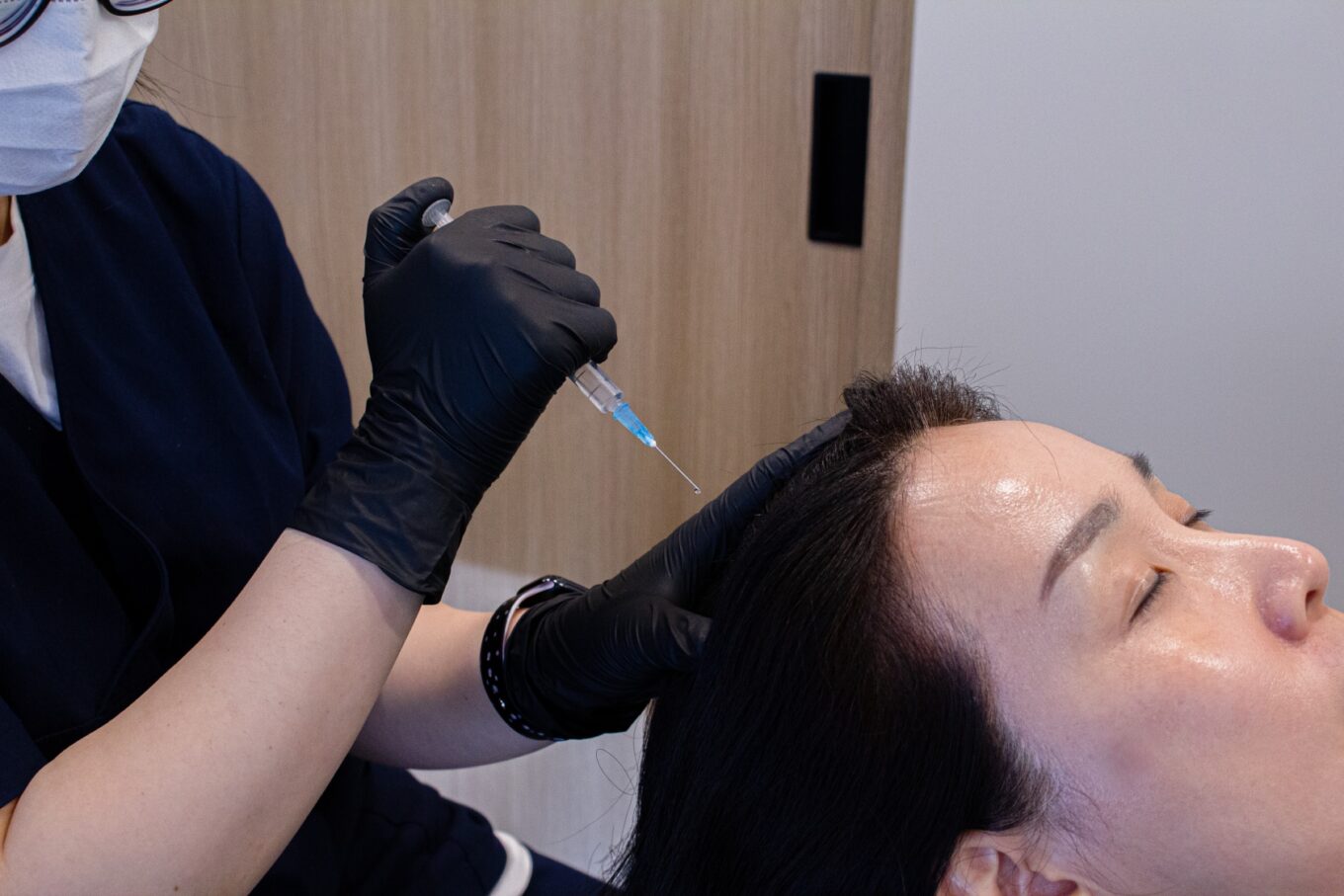
The most important step in hair loss treatment is understanding the current condition—what stage it is in and what factors need to be addressed first. Before deciding on any procedure, a clear and accurate diagnosis is essential.
If you are considering follicle strengthening injections, you are always welcome to visit HairOn Clinic for a consultation. A thorough evaluation will help determine your current hair loss condition and guide the development of the most appropriate treatment strategy.
Follicle strengthening injections can be beneficial, but they are not applied in the same way for every patient. Even with the same type of injection, treatment outcomes can vary significantly depending on the formulation, the injection technique, and the specific areas being treated.
At HairOn Clinic, the approach goes beyond simply repeating a standard set of ingredients. Each patient’s hair loss cause, stage of progression, and scalp condition are carefully evaluated first, and the injection formula and delivery strategy are customized accordingly.
In particular, HairOn Clinic’s CHECK Scalp Injection Therapy is a tailored treatment focused on improving the environment around weakened follicles, allowing them to respond to growth signals again. By considering the current phase of the follicle cycle—especially resting and regression phases—the treatment is designed around follicles that still have the potential to recover.
When combined with appropriate medical therapy, this approach can lead to more stable and predictable outcomes.
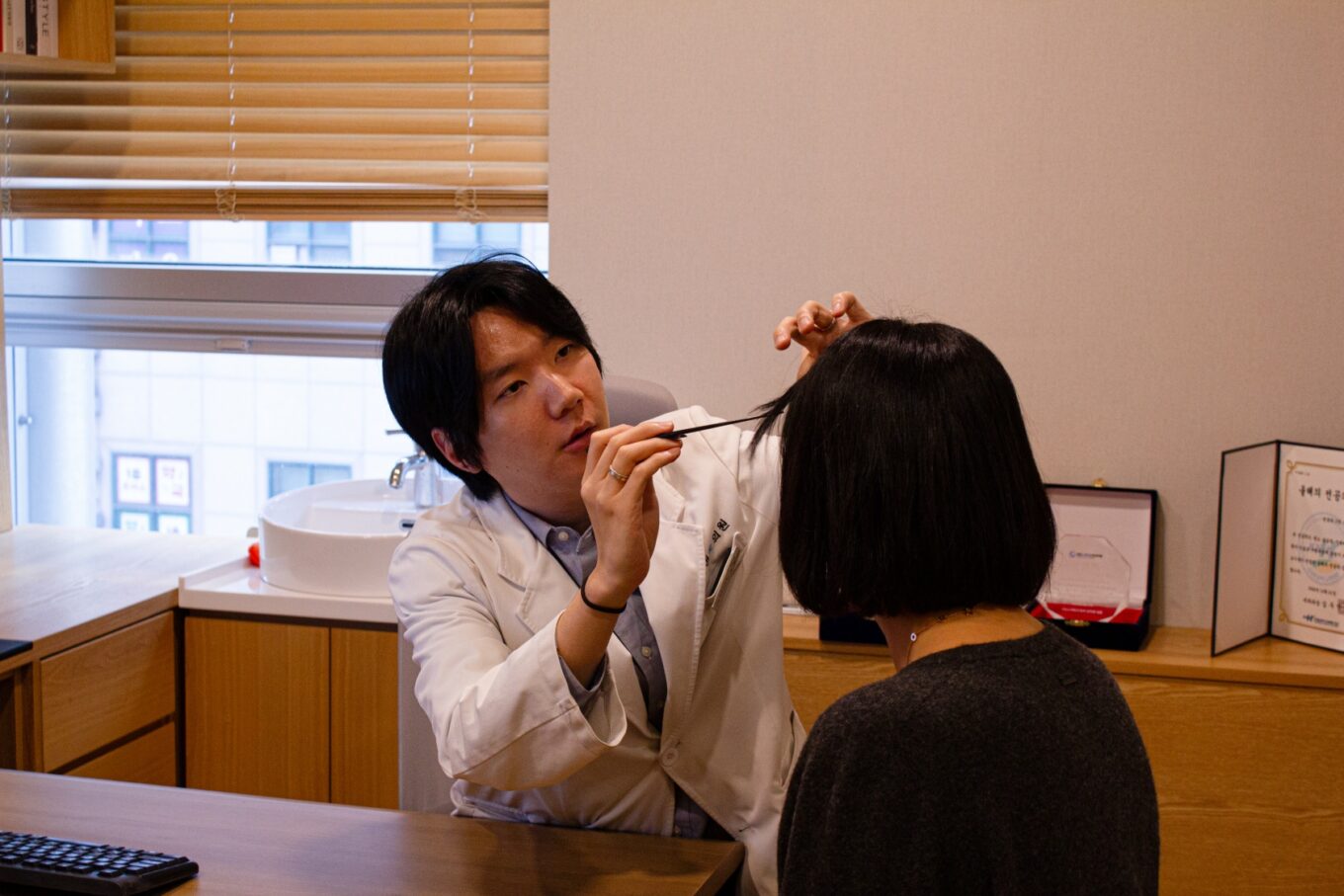
중요한 것은 어떤 주사를 맞느냐가 아니라, 지금 내 상태에서 주사가 필요한 시점인지, 그리고 어떤 방식으로 적용되어야 하는지를 정확히 아는 것입니다. 모낭강화주사를 고려하고 있다면 시술 자체보다 먼저 현재 탈모 상태를 확인해보는 것을 권합니다.
헤어온의원은 신분당선 강남역 6번 출구 인근에 위치해 있어 바쁜 일정 중에도 비교적 부담 없이 방문이 가능합니다. 점심시간이나 짧은 시간을 활용해 현재 상태가 약물 치료로 충분한 단계인지, 헤어온 FolliOn 주사와 같은 치료가 필요한 시점인지 먼저 빠르게 진단받아보시길 권합니다.
탈모 치료는 시술을 선택하는 것보다
정확한 상태 판단에서 시작하는 것이 결과를 더 크게 바꿉니다.
Book a Hair Loss Cause Diagnosis
Gangnam Station (Shinbundang Line) Exit 6 — HairON Clinic After scalp and follicle analysis, we design a customized treatment program tailored to your stage of crown hair loss. Rather than spending time worrying, accurately checking your current condition is the fastest beginning to effective treatment.
Hair Loss Research Center
View All ArticlesFind the Cause Before the Treatment.
Start with an accurate diagnosis at Hairon Clinic near Gangnam Station. Our internal medicine specialists identify the cause of your hair loss and recommend the right treatment based on the findings.
Book DiagnosisHairON ClinicHours of Operation
- Weekdays (Mon–Fri)
- Saturday
- Lunch Break
- Phone Consultation
- 3F, Hongwoo Building, 373 Gangnam-daero, Seocho-gu, Seoul, South Korea
Insights » Hair Loss Treatment by Dr. Hyunggon Son
A First Visit Story: Female Hair Loss in Her 40s at HairON Clinic
Hair loss in women in their 40s may not be simply a sign of aging. If you’re concerned about thinning hair or reduced volume, explore the causes and management options through a first visit to Hairon Clinic.