
A Guide to Hair Loss Treatment for Women in Their 40s: Minoxidil, Benefits, Side Effects, and Safe Use
After the age of 40, many women begin to notice a sudden decrease in hair volume. Areas that once had good volume —especially around the…
After the age of 40, many women begin to notice a sudden decrease in hair volume. Areas that once had good volume —especially around the crown—may start to look thinner, and increased hair shedding during washing can lead to the question, “Is this hair loss?”
In reality, female hair loss often becomes more noticeable after the age of 40, as hormonal changes, shifts in daily routine, and accumulated stress begin to affect the hair growth cycle.
During this time, many people come across minoxidil as one of the most commonly recommended treatment options. However, before starting minoxidil, it is essential to understand how to use it properly, its potential side effects, and whether it is the right option based on individual condition.

Why Does Hair Loss Increase After 40?
Unlike male pattern hair loss, which often presents as a receding hairline, female hair loss typically appears as a reduction in density around the crown and part line.
After the age of 40, several factors—including decreased estrogen levels, thyroid function changes, chronic fatigue, and reduced sleep quality—can work together to shorten the hair growth phase and prolong the resting phase.
According to data from the Korean Dermatological Association, women in their 40s and older account for more than half of female hair loss patients, and the condition tends to show a more chronic, progressive pattern with increasing age.
(Source: Korean Dermatological Association, Clinical Guidelines for Female Pattern Hair Loss)
Minoxiddil: Extending the Hair Growth Phase
Minoxidil is one of the most widely used treatments for female hair loss.
Originally developed as a medication for high blood pressure, it was later found to increase blood flow around hair follicles and extend the hair growth phase. Because it does not directly alter hormones, it is often considered a relatively safe option for women.
Minoxidil is available in two main forms: topical and oral.
Topical Minoxidil
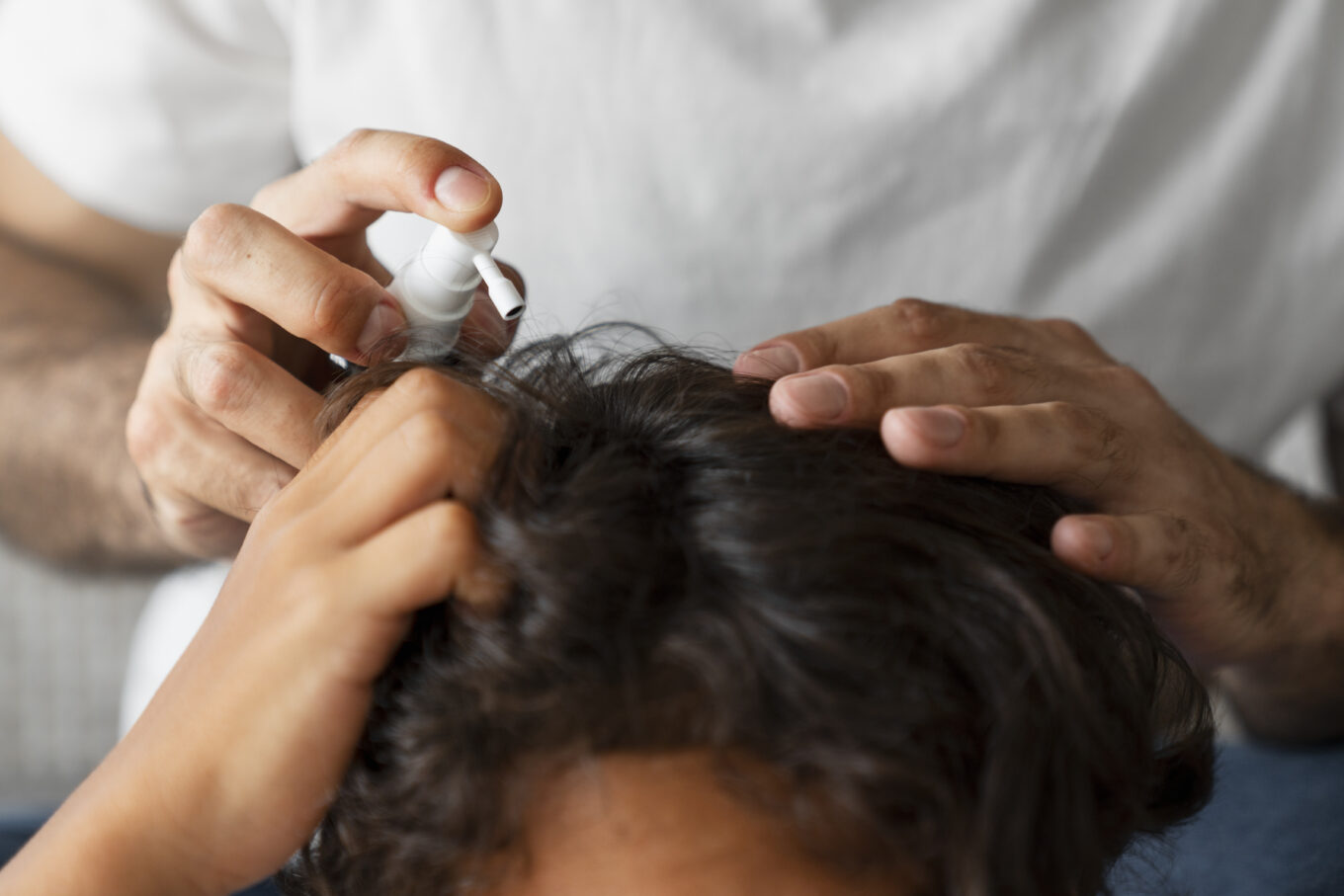
Topical minoxidil is applied directly to the scalp, where it helps dilate blood vessels around the hair follicles and improve the environment so that follicles can respond to growth signals again. It does not force hair to grow, but rather creates the conditions that allow weakened follicles to recover and function more effectively.
Because it acts locally, the risk of systemic side effects is relatively low, making it one of the most commonly recommended options for women in their 40s.
Foam formulations, such as Rogaine Foam, are often preferred due to ease of use and reduced dripping. These are typically available over the counter.
Oral Minoxidil
Oral minoxidil works systemically through the bloodstream and may produce a faster response compared to topical formulations. However, it must be prescribed and monitored by a medical professional.
In women over 40, factors such as blood pressure, cardiovascular health, and risk of fluid retention must be carefully considered. For this reason, oral minoxidil is not appropriate for all patients and should never be taken without proper medical evaluation.

Shedding: A Common Early Response
After starting minoxidil, it is common to experience temporary increased hair shedding. This is known as “shedding” and occurs as part of the process of resetting the hair growth cycle.
During this phase, hairs in the resting stage are shed as new growth begins. This typically starts around 2 weeks after treatment begins and is a normal response—not a side effect.
If treatment is stopped at this stage due to increased shedding, the benefits may never be realized. It is important to understand this as part of the process and continue treatment as directed. Shedding usually lasts for 1 to 2 months, with recovery and improvement appearing between 3 to 6 months.
What Are the Side Effects of Minoxidil?
In many cases, side effects are not caused by the medication itself, but by using it in a way that does not match an individual’s condition. When side effects occur, it is generally recommended to monitor the symptoms rather than stopping the medication immediately.
With topical minoxidil, common side effects include scalp itching, redness, and flaking—often related to sensitivity to alcohol or propylene glycol in the formulation.
With oral minoxidil, systemic effects such as swelling (fluid retention), palpitations, and increased body hair growth may occur. Because of these potential side effects, oral minoxidil should only be taken under medical supervision. In particular, patients with cardiovascular conditions or low blood pressure require careful evaluation and monitoring before starting treatment.
When used with the appropriate dosage and instructions, minoxidil is generally considered a safe medication. However, long-term use should be monitored by a healthcare professional. Adjusting the dosage or discontinuing the medication without guidance may increase the risk of side effects and lead to inconsistent results.
Are There Cases Where Minoxidil Doesn’t Work?
There are cases where minoxidil may not produce the expected results.
Conditions such as thyroid disorders, iron deficiency, significant hormonal imbalances, or autoimmune-related hair loss can limit the effectiveness of minoxidil when used alone.
In these situations, rather than immediately switching to a different medication, it is important to first identify why minoxidil is not working as expected.
Female hair loss is often not just a scalp-related issue, but closely connected to overall systemic health. For this reason, understanding the underlying cause is essential to achieving effective and lasting results.
Do You Have to Use Minoxidil for Life?
Minoxidil is considered a maintenance treatment, meaning its effects may gradually diminish if use is discontinued.
Rather than thinking of it as something that must be used for life, it is more accurate to view it as a treatment used during the period when controlling the progression of hair loss is necessary.
If the underlying cause of hair loss improves, or if the treatment approach needs to be adjusted, the need for continued use may change over time.
The most important factor is regular evaluation of the condition to determine whether to continue or discontinue minoxidil based on individual progress.
Can Minoxidil Be Used When Planning Pregnancy?
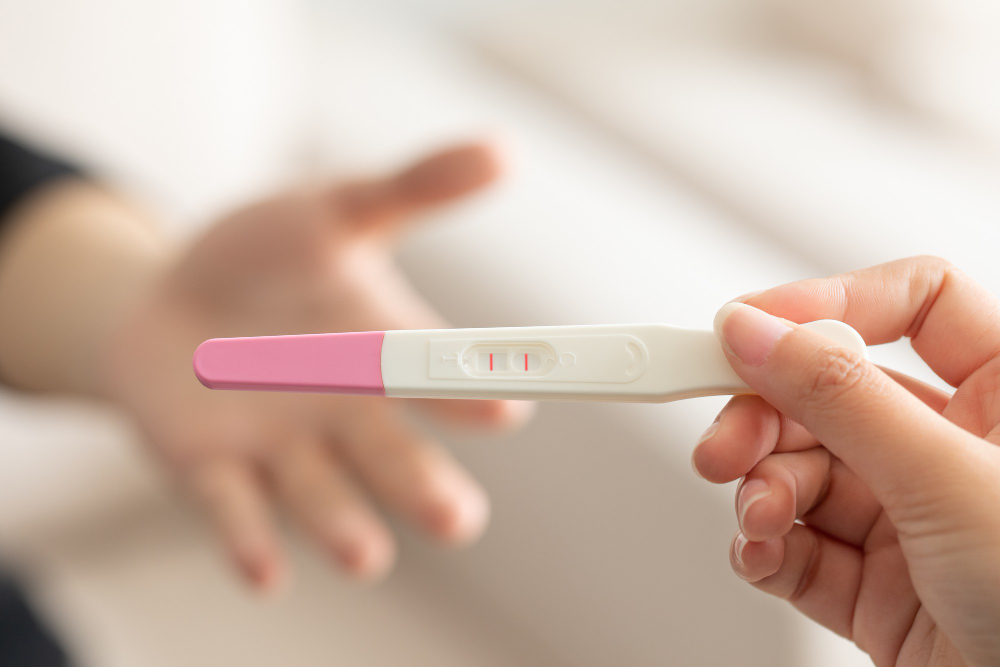
If you are planning a pregnancy or there is a possibility of becoming pregnant, it is essential to consult with a healthcare professional before using minoxidil.
Oral minoxidil works systemically, so if pregnancy is being considered, the decision to continue or discontinue the medication should be made carefully under medical guidance. Topical minoxidil is also generally not recommended during pregnancy.
Pregnancy-related hormonal changes can affect hair loss, so the overall treatment strategy may need to be adjusted.
Can Minoxidil Be Used with Other Hair Loss Medications?
Minoxidil can be used in combination with other hair loss medications.
The decision to combine treatments should not be based on simply making the treatment “stronger,” but on whether the combination is appropriate for the current condition.
In practice, minoxidil can be used alongside DHT-blocking medications such as finasteride and dutasteride. Because they work through different mechanisms, they are not alternatives, but complementary treatments. One helps regulate hormonal signals, while the other improves the follicle environment and supports a longer growth phase.
However, combination therapy is not necessary for all patients. The decision should be made based on the stage of hair loss, age, risk of side effects, and overall health condition.
For women of childbearing age, DHT-blocking medications such as finasteride and dutasteride are generally not recommended due to potential risks to a fetus. For this reason, factors such as pregnancy plans and hormonal status must be carefully considered, and treatment decisions should always be made in consultation with a healthcare professional.
What Matters Most in Treating Female Hair Loss
In treating female hair loss, the most important factor is not simply which medication to use, but how to choose the right treatment based on the individual’s condition.
In women over 40, hair loss is often influenced by multiple factors—including hormonal changes, stress, lifestyle patterns, and overall systemic health. For this reason, rather than relying solely on oral medication, a more comprehensive approach that considers both the scalp environment and follicle responsiveness may be necessary.
In some cases, treatments that act directly on the scalp may be prioritized over oral medications, depending on the individual condition.
At HairOn Clinic, CHECK Injection Therapy is used to help improve the environment around weakened follicles and support their transition from the resting and regression phases back into the growth phase. By combining factors related to hair growth with ingredients that improve the scalp environment, the treatment aims to create conditions in which weakened follicles can respond again.
All treatments are not applied in a uniform manner. Instead, based on detailed consultation and diagnostic evaluation, the underlying causes and stage of progression are carefully analyzed first. The type of medication, dosage, and injection areas are then precisely tailored to each individual.
Hair loss is not caused by a single factor, but is a complex condition influenced by genetics, hormones, stress, and lifestyle.
That is why the starting point of treatment is always the same:
accurately understanding what changes are currently taking place.
If minoxidil is already being used but results are not noticeable, or if there is uncertainty about where to begin, it is important to reassess the current condition before making changes to treatment.
Starting treatment early is important—but starting it accurately makes the greatest difference in long-term results.
Book a Hair Loss Cause Diagnosis
Gangnam Station (Shinbundang Line) Exit 6 — HairON Clinic After scalp and follicle analysis, we design a customized treatment program tailored to your stage of crown hair loss. Rather than spending time worrying, accurately checking your current condition is the fastest beginning to effective treatment.
Hair Loss Research Center
View All ArticlesFind the Cause Before the Treatment.
Start with an accurate diagnosis at Hairon Clinic near Gangnam Station. Our internal medicine specialists identify the cause of your hair loss and recommend the right treatment based on the findings.
Book DiagnosisHairON ClinicHours of Operation
- Weekdays (Mon–Fri)
- Saturday
- Lunch Break
- Phone Consultation
- 3F, Hongwoo Building, 373 Gangnam-daero, Seocho-gu, Seoul, South Korea
Insights » Hair Loss Treatment by Dr. Hyunggon Son
A First Visit Story: Female Hair Loss in Her 40s at HairON Clinic
Hair loss in women in their 40s may not be simply a sign of aging. If you’re concerned about thinning hair or reduced volume, explore the causes and management options through a first visit to Hairon Clinic.