
Women’s Hair Loss Treatment in Korea: Personalized Medication and Stem Cell Therapy at Our Seoul Clinic (Gangnam)
Hello, this is HairOn Clinic in Gangnam, Seoul.
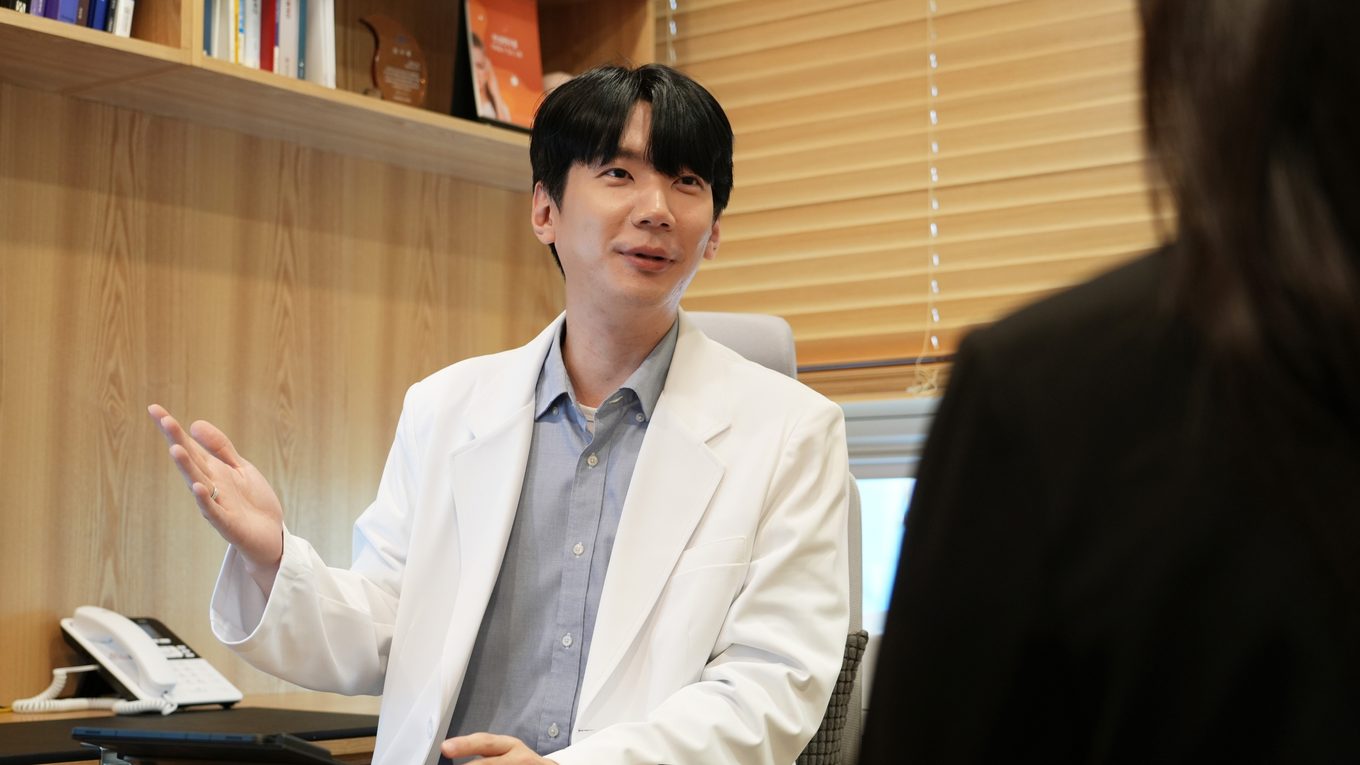
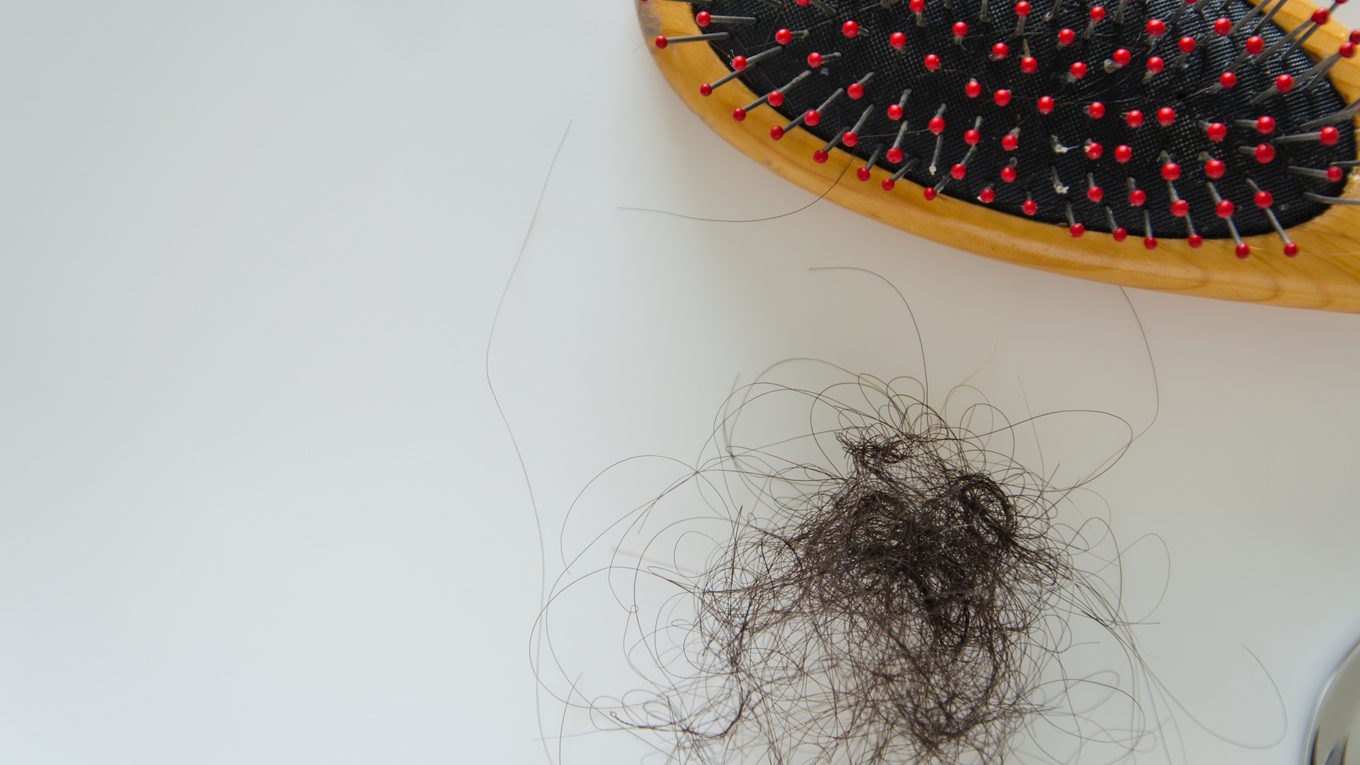
There comes a moment when you tie your hair back into a ponytail and realize the bundle in your hand feels thinner than it used to. That’s usually when you start to suspect hair loss, and once you start looking into treatments, most people’s first search is whether medication or injections work better. At HairOn Clinic, though, we think that’s slightly the wrong way around.
Rather than deciding which treatment is more effective, you first need to find out which options are actually open to you given your current health and circumstances. This is especially true for women’s hair loss. Depending on your age, the possibility of pregnancy, and whether you’re going through menopause, certain medications are off the table from the start. That’s why the prescription for someone in her early thirties and someone in her mid-fifties can be quite different, even when both are worried about the same thinning at the crown.
Today, we’ll go over those differences one by one, the way we explain them at our women’s hair loss clinic in Seoul.
Table of Contents
Oral medication and stem cell therapy differ from the very start
What we check first before prescribing medication for women
What role does stem cell therapy for hair loss play?
Can women’s hair loss medication and stem cell therapy be combined?
Checking your current condition comes before ranking treatments

Oral medication and stem cell therapy differ from the very start
Many people treat the two as interchangeable, but they play different roles. Oral hair loss medications work through different pathways depending on their ingredients. Some, like finasteride and dutasteride, act on hormone-related pathways, while others, like oral minoxidil, don’t affect hormones at all. Many people assume that all oral medications regulate hormones, but that isn’t the case.
Stem cell therapy for hair loss comes at the problem from a different angle. It uses stem cells and growth factors to help restore a weakened follicle environment and the hair growth cycle, and it’s delivered directly to the scalp. Medication works systemically through its active ingredients, while stem cell therapy delivers components straight to the scalp. That’s the first difference worth understanding when you look into women’s hair loss treatment in Korea.
| Category | Personalized Medication for Women | Stem Cell Therapy |
| Approach | Oral or topical, acting on ingredient-specific pathways | Injection-based treatment delivered directly to the scalp |
| What it mainly addresses | Managing the rate of progression and maintaining condition | Improving the growth and thickness of existing hair, activating follicle cells |
| How it’s carried out | Taken or applied daily | Roughly every 1–2 months, in courses of 4, 8, or 12 sessions |
| Duration of effect | Maintained while use continues | Generally around 6 months to 1 year |
What we check first before prescribing medication for women
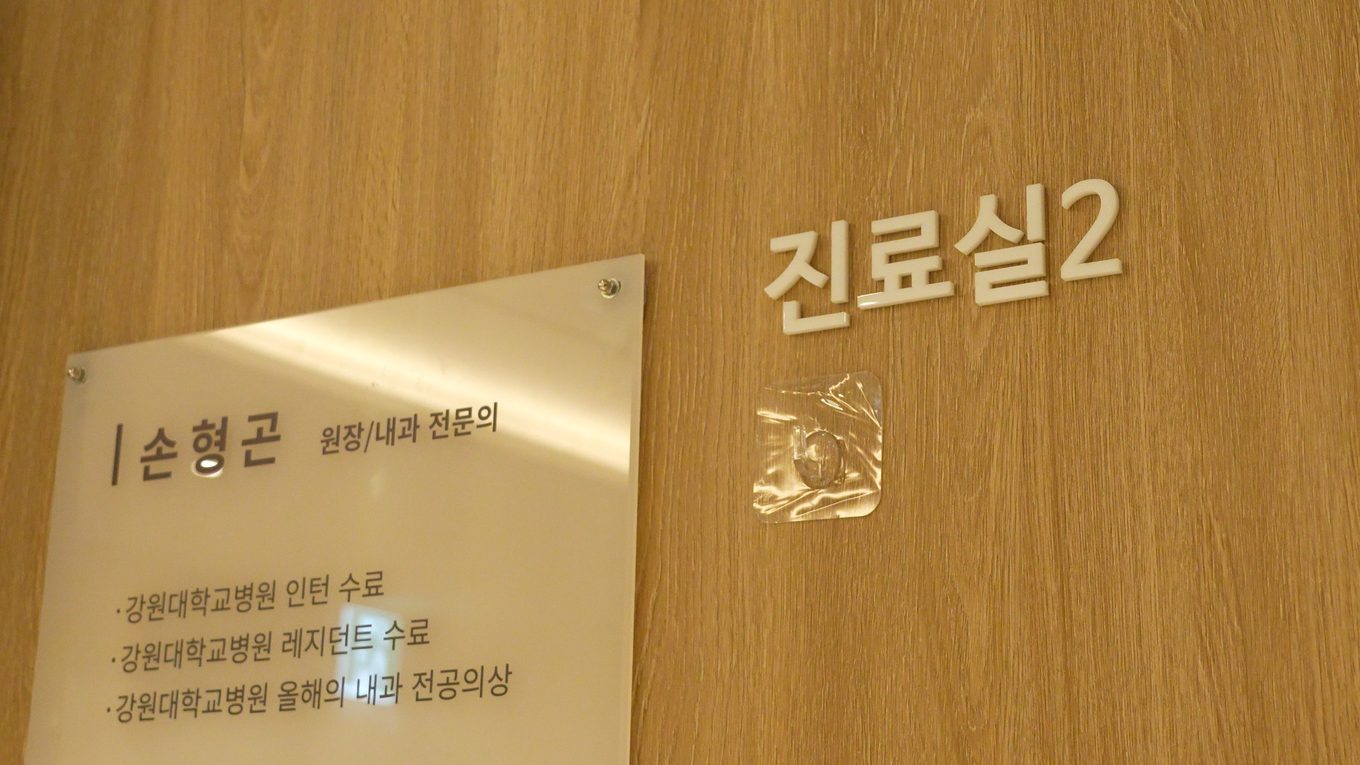
Prescribing hair loss medication for women isn’t a matter of picking whichever drug is supposed to be the strongest. We decide by weighing age, the possibility of pregnancy, menopausal status, and the current condition of the scalp and hair together. If hormone-related medication is needed, finasteride or dutasteride is generally considered first, and spironolactone tends to come up at a later stage. However, these drugs call for caution in women who may become pregnant because of the risk of fetal abnormalities. For that reason, they’re sometimes considered mainly for postmenopausal women.

While explaining prescriptions in the consultation room, we sometimes hear this:
“I heard you have to take hair loss medication for life, and that’s what worries me most.”
It’s an understandable concern. The effects of medication only last while you keep taking it. That’s why we adjust oral medications and topical treatments to your individual condition and fine-tune them as we check progress regularly. Even if a single medication you tried before didn’t produce much change, we can re-examine your current condition and contributing factors and consider a combination prescription. We base that judgment on a consultation with a board-certified internal medicine specialist using a questionnaire, a scalp microscope examination, and autonomic nervous system test results. When the pattern of hair loss is atypical or systemic factors need to be looked at, we may add a blood test.
What role does stem cell therapy for hair loss play?
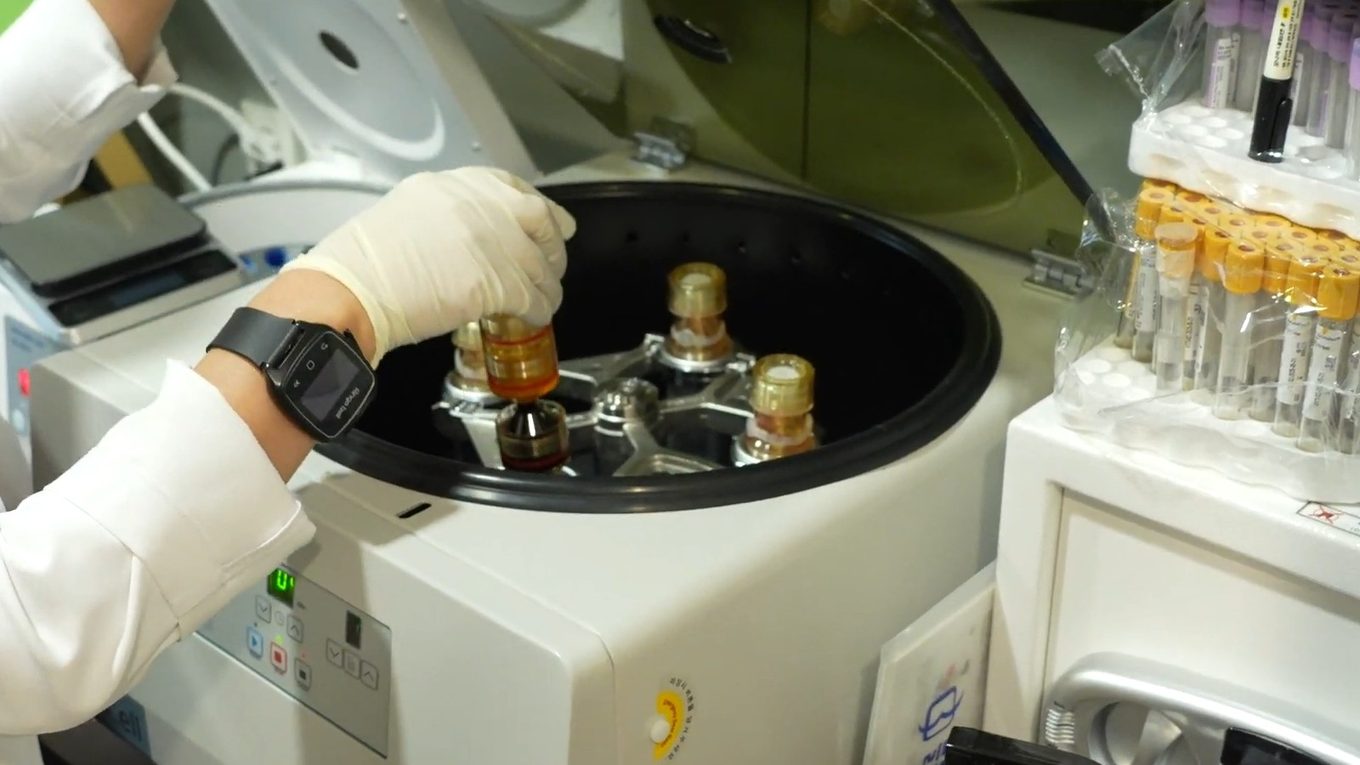
Whereas medication acts on pathways involved in hair loss progression or hair growth depending on its ingredients, stem cell therapy is more about supporting a weakened follicle and hair growth environment. It contains more than three times the follicle cell-activating factors of conventional PRP procedures and can help with the growth and thickness of existing hair and the activation of weakened follicle cells. It may also help improve overall density by reducing shedding, and help ease an inflammatory scalp environment. Of course, how much you notice varies depending on your individual condition.
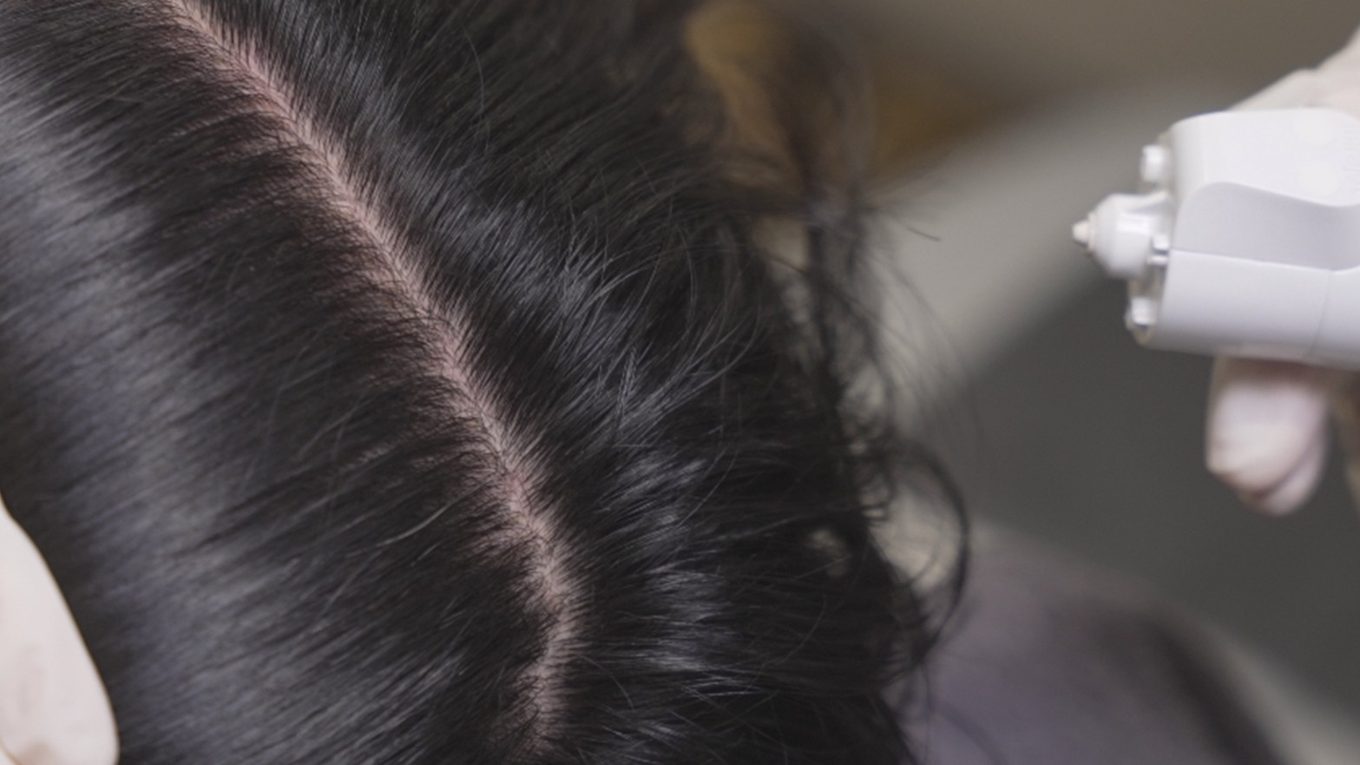
At our clinic, stem cell therapy begins with a consultation to check how the hair loss is progressing and the overall condition of the scalp. We determine the required dose, draw blood, extract the stem cells, and then inject them into the scalp using Air Meso or MiraJet. Air Meso uses a needle with air pressure, while MiraJet delivers the components through a high-pressure jet spray without a needle. Needle-free doesn’t mean completely painless, but it’s an option for people who are sensitive to pain.
Can women’s hair loss medication and stem cell therapy be combined?
“If I get injection treatment, does that mean I don’t need to take medication?”
This is a question we hear a lot in consultations at our women’s hair loss clinic in Seoul. The two aren’t mutually exclusive; they can complement each other. Stem cell therapy for hair loss can be combined with the Polyon Injection (our follicle-strengthening injection) or with prescription medication, and depending on your condition, medication and injections are sometimes used together. When you look into women’s hair loss treatment in Korea, it’s worth asking whether treatments can be combined as well.

Checking your current condition comes before ranking treatments
It isn’t about which is better, medication or stem cell therapy. It’s about figuring out what’s possible given your circumstances and what needs to be supported. If there’s a possibility of pregnancy, or if you’re planning a pregnancy, extra caution is needed in choosing medication, and the drugs that can be prescribed may also differ depending on menopausal status and current health. Injection treatments, including stem cell therapy, are likewise decided on, either alone or in combination, after checking the current condition of your hair and follicles.
Rather than drawing your own conclusions from online searches, we recommend first checking the current condition of your scalp and hair at our women’s hair loss clinic in Gangnam, Seoul. Simply getting the order right can save you a lot of time going around in circles. This has been HairOn Clinic. English consultations are available for international patients.
Book a Hair Loss Cause Diagnosis
Gangnam Station (Shinbundang Line) Exit 6 — HairON Clinic After scalp and follicle analysis, we design a customized treatment program tailored to your stage of crown hair loss. Rather than spending time worrying, accurately checking your current condition is the fastest beginning to effective treatment.
Hair Loss Research Center
View All ArticlesFind the Cause Before the Treatment.
Start with an accurate diagnosis at Hairon Clinic near Gangnam Station. Our internal medicine specialists identify the cause of your hair loss and recommend the right treatment based on the findings.
Book DiagnosisHairON ClinicHours of Operation
- Weekdays (Mon–Fri)
- Saturday
- Lunch Break
- Phone Consultation
- 3F, Hongwoo Building, 373 Gangnam-daero, Seocho-gu, Seoul, South Korea
Insights » Hair Loss Treatment by Dr. Hyunggon Son
A First Visit Story: Female Hair Loss in Her 40s at HairON Clinic
Hair loss in women in their 40s may not be simply a sign of aging. If you’re concerned about thinning hair or reduced volume, explore the causes and management options through a first visit to Hairon Clinic.