
Itchy, Flaky Scalp and More Shedding? Seborrheic Dermatitis vs. Hair Loss | Women’s Hair Loss Clinic in Seoul
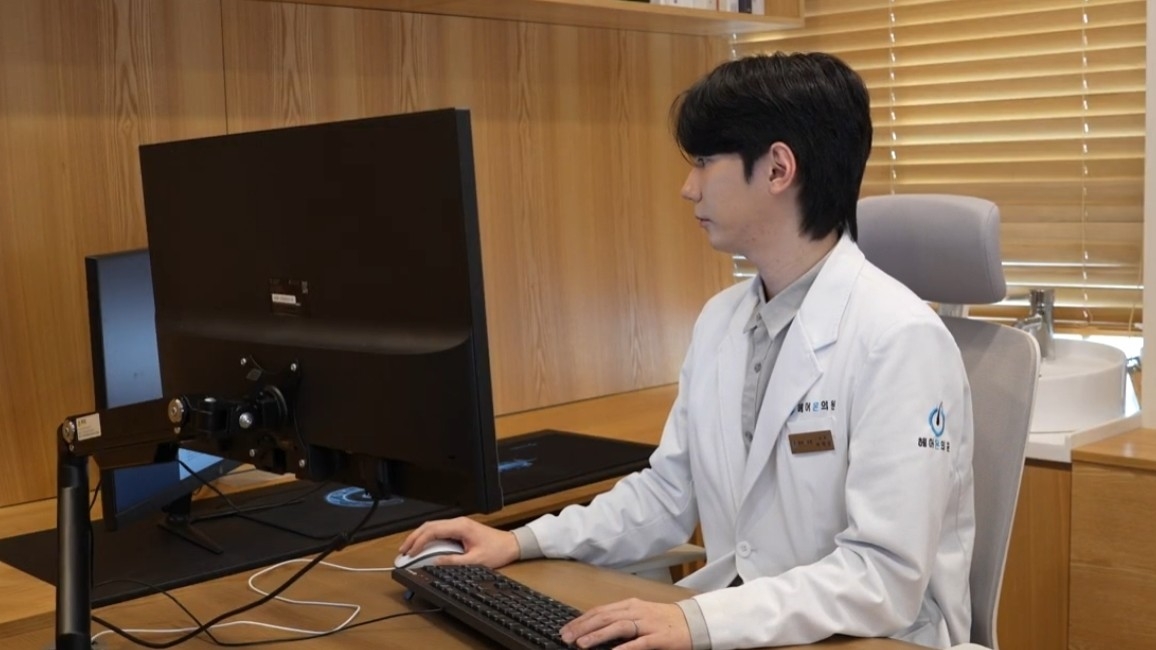
When scalp itching and flaking keep coming back, it is easy to write them off as simple dandruff. But if the symptoms persist — or the amount of hair you are losing has increased at the same time — seborrheic dermatitis and hair loss need to be looked at separately. Here is how our clinic in Seoul tells the two apart, step by step, and the direction treatment takes.
Table of Contents
When the itch returns even after an exfoliating shampoo
A self-check: seborrheic dermatitis or hair loss?
What scalp trichoscopy shows in more detail
Treating the inflammation and the hair loss together
Check your scalp now

When the itch returns even after an exfoliating shampoo
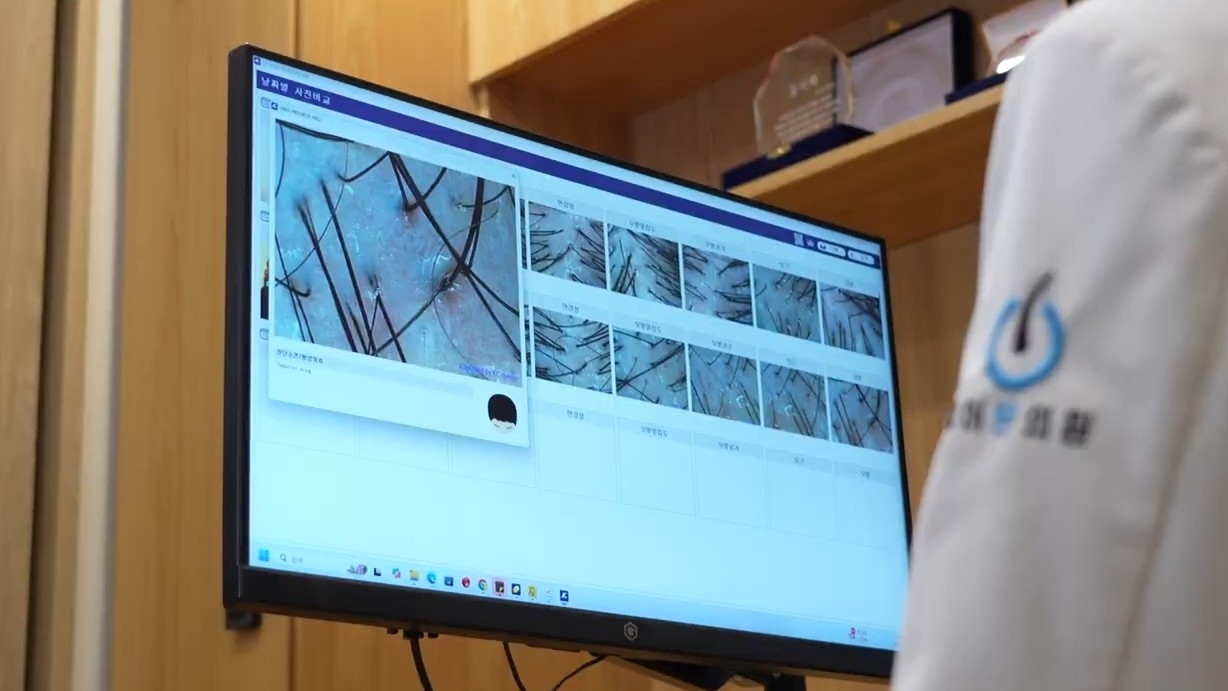
You notice white flakes on your shoulders on the days you wear a black sweater, and oily flakes under your nails when you scratch. Then the amount of hair in the shower drain increases on top of it — and it becomes hard to tell whether this is a dandruff problem or the start of hair loss.
A clarifying or exfoliating shampoo may bring relief for a few days, but in many cases the itching and flaking are back within about a week. That is usually when people start asking which came first: the dandruff or the hair loss.
One thing we often hear from women dealing with both: “I’ve been using anti-dandruff shampoo for two months — so why does my part keep getting wider?”
To answer that, the inflammation causing the itching and flaking has to be separated from the hair loss making the hair thinner. The two differ in cause and in the order of treatment, so let’s start with what you can check at home.
A self-check: seborrheic dermatitis or hair loss?
✔ Do the itchy areas overlap with the thinning areas?
The inflammation of seborrheic dermatitis mainly appears where sebum production is high: the crown, the front hairline, and behind the ears. If the itching is spread across the whole head but the thinning is concentrated along the part at the crown, there is reason to look at the inflammation and the hair loss separately.
✔ Do redness and oily flakes come back even after exfoliating?
Unlike dry dandruff that falls like powder, seborrheic dermatitis turns the skin red, with flakes that clump together in a yellowish, oily form. If you part your hair in the mirror and see flakes sitting on a red base, the scalp inflammation itself needs attention.
✔ Has your part widened compared with older photos?
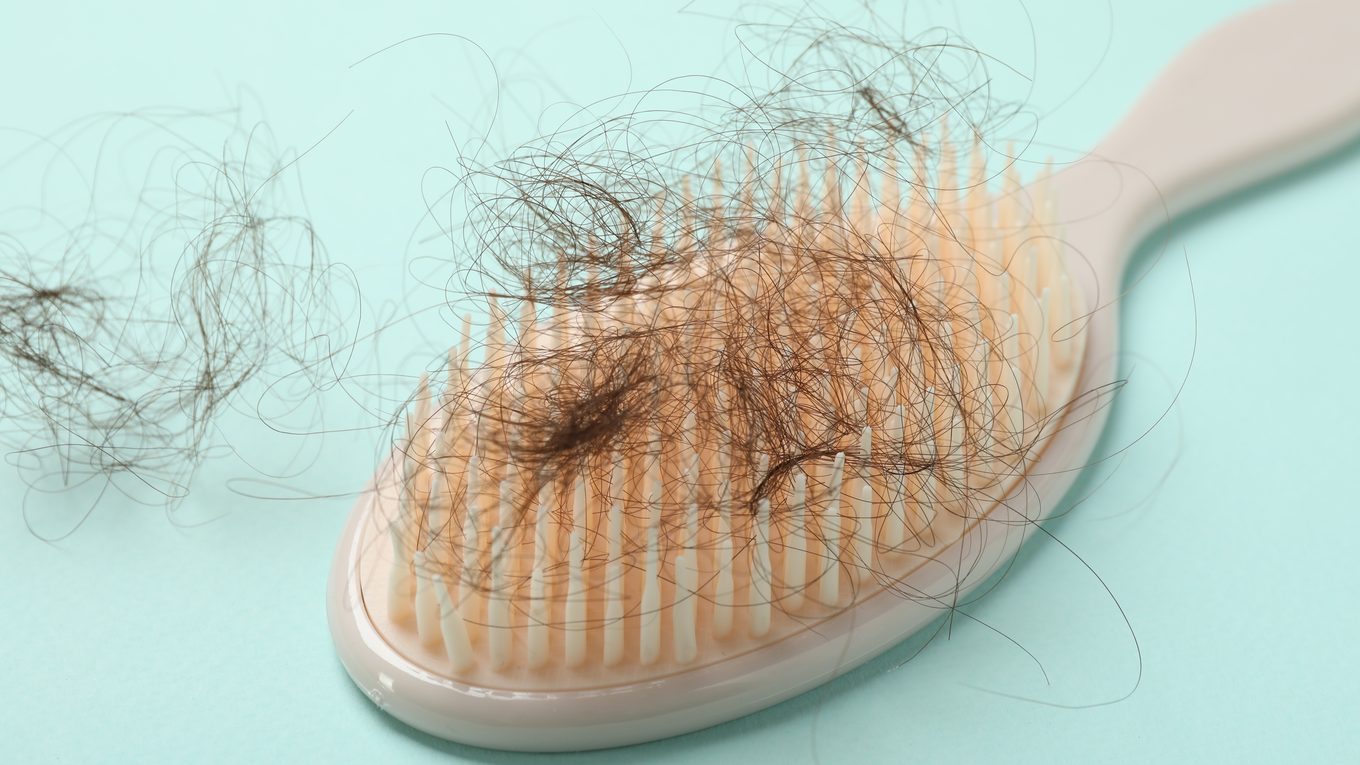
Female pattern hair loss often keeps the front hairline intact while the part at the crown gradually widens. Put a selfie from a year ago next to a current photo of your crown: comparing the width of the part tells you whether thinning is progressing regardless of the dandruff.
✔ Do flare-ups of flaking coincide with heavier shedding?
If shedding rises in the months when the flaking and itching are worse, and settles when they calm down, the inflammation can be seen as affecting the hair. If shedding stays constant regardless of the flaking, there is reason to look at hair loss progressing independently of the inflammation.
What you can check at home — and what we check in the consultation room — are summarized side by side below.
What scalp trichoscopy shows in more detail
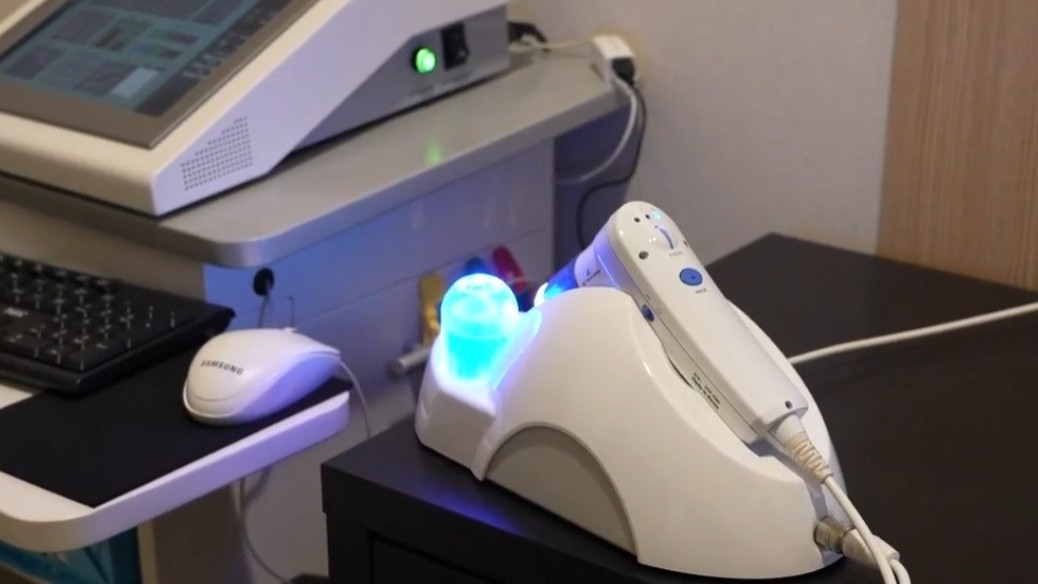
Once the self-check has pointed you in a direction, the next step is looking at each individual strand — something a mirror cannot do. At Hairon Clinic, we magnify and examine the areas that are hard to see on your own.
On the screen, redness, flakes attached around the follicles, and the proportion of thinned hairs mixed in with thick ones all come into view. Because scratch marks can be told apart from skin reddened by inflammation, this helps determine whether the condition can be managed with scalp care alone or whether the inflammation needs treatment.

Some patients tell us in the consultation room: “Since I started working late more often, my scalp has been itchy and I seem to be losing more hair.” In such cases, an autonomic nervous system test can be used to check the level of stress in the body. We also ask whether the period when the itching worsened coincides with the period when the late nights increased.
Treating the inflammation and the hair loss together
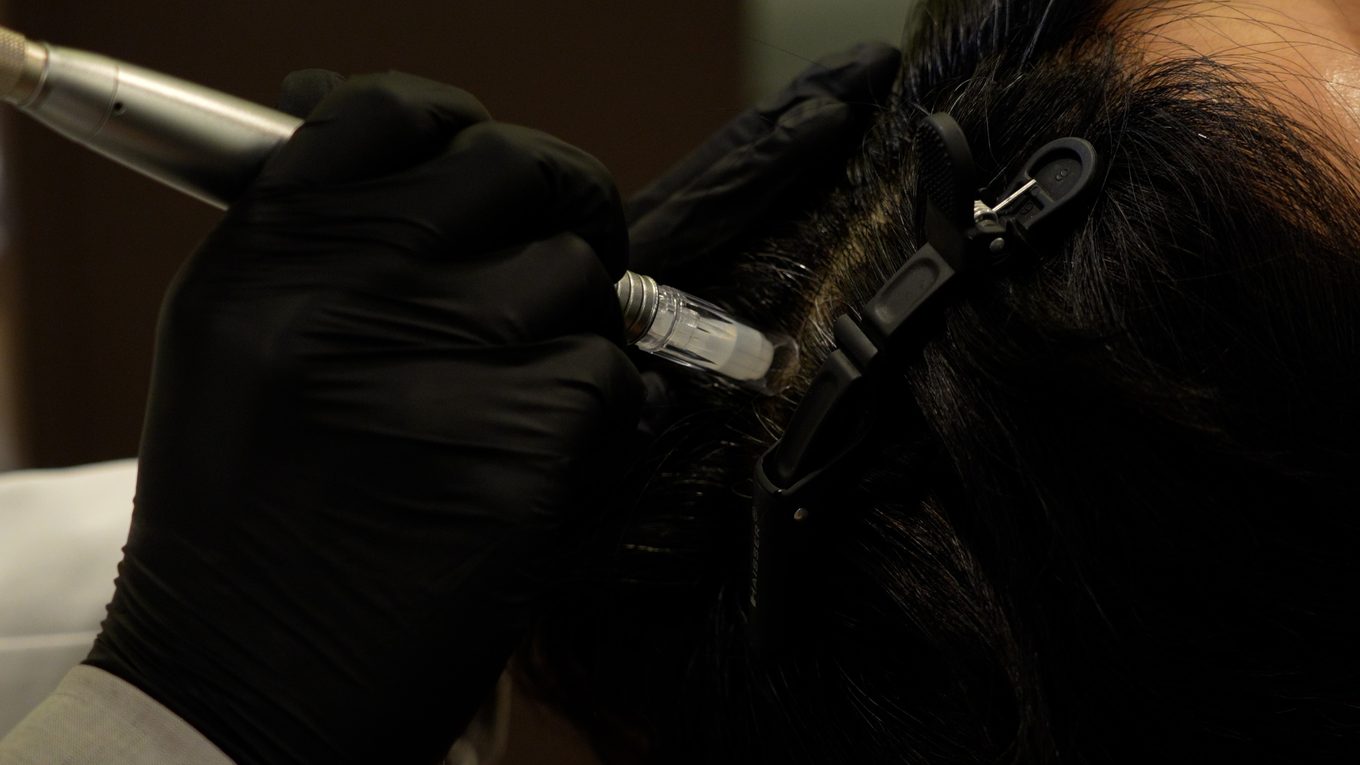
When seborrheic dermatitis and hair loss occur together, the first thing we assess is the degree of inflammation. Severe inflammation needs to be calmed before the hair growth environment can be managed. For pronounced inflammation, steroid treatment may be considered, when the conditions for its use are met. Once the inflammation has subsided, treatment can move on to reinforcing the weakened follicle environment.
For a scalp where the inflammation has settled, Polyon injections may be considered. The Polyon injection, Hairon Clinic’s growth factor injection, contains PDRN (polydeoxyribonucleotide), which helps the damaged scalp environment recover and regenerate. Because the speed at which inflammation subsides varies from person to person, the timing of each next step is decided by monitoring progress.

Check your scalp now
The first check you can do before visiting is getting into the habit of looking at the itching, the flaking, and the shedding separately. Map the itchy areas against the thinning areas, check the redness and the form of the flakes in the mirror, and compare the width of your part with older photos.
If the itching keeps returning no matter which scalp product you switch to — and your part is widening as well — have your scalp and hair examined with trichoscopy at a women’s hair loss clinic in Seoul, and then decide which to address first: the inflammation or the hair loss.
At Hairon Clinic, we assess the degree of seborrheic dermatitis and the progression of shedding together, then set the order of treatment. Rather than wondering on your own whether it is dandruff or hair loss, have it checked once — it is faster, and far more reliable.
Book a Hair Loss Cause Diagnosis
Gangnam Station (Shinbundang Line) Exit 6 — HairON Clinic After scalp and follicle analysis, we design a customized treatment program tailored to your stage of crown hair loss. Rather than spending time worrying, accurately checking your current condition is the fastest beginning to effective treatment.
Hair Loss Research Center
View All ArticlesFind the Cause Before the Treatment.
Start with an accurate diagnosis at Hairon Clinic near Gangnam Station. Our internal medicine specialists identify the cause of your hair loss and recommend the right treatment based on the findings.
Book DiagnosisHairON ClinicHours of Operation
- Weekdays (Mon–Fri)
- Saturday
- Lunch Break
- Phone Consultation
- 3F, Hongwoo Building, 373 Gangnam-daero, Seocho-gu, Seoul, South Korea
Insights » Hair Loss Treatment by Dr. Hyunggon Son
A First Visit Story: Female Hair Loss in Her 40s at HairON Clinic
Hair loss in women in their 40s may not be simply a sign of aging. If you’re concerned about thinning hair or reduced volume, explore the causes and management options through a first visit to Hairon Clinic.