
Hair Loss Treatment in Korea: What to Expect After Starting Early Treatment for a Receding Hairline (Follicle-Strengthening Injections & Stem Cell Therapy)
Hello, this is HairOn Clinic in Gangnam, Seoul.
In the consultation room at HairOn Clinic, we often see people sweep their front hair back with one hand and point to both sides of their forehead. This is the classic early receding hairline, or what’s often called M-shaped hair loss in Korea. Many tell us they came in after spending a long time comparing the hairline in a photo from a few months ago with the one in the mirror this morning.
Then, a few weeks after starting treatment, we often hear this question:
“How can I tell whether the treatment is working right now?”
Our answer is always the same: we explain the order in which the changes show up. Once you know that order, the mirror becomes a lot less stressful. So let’s go through, one by one, what early non-surgical hair loss treatment in Korea looks like for a receding hairline, and what we look for along the way.
Table of Contents
What changes appear first after starting treatment?
What if it seems like more hair is falling out at first?
What role do follicle-strengthening injections play in early M-shaped hair loss?
When is stem cell therapy for hair loss considered alongside other treatments?
What do we check before starting early treatment for M-shaped hair loss?
What changes appear first after starting treatment?
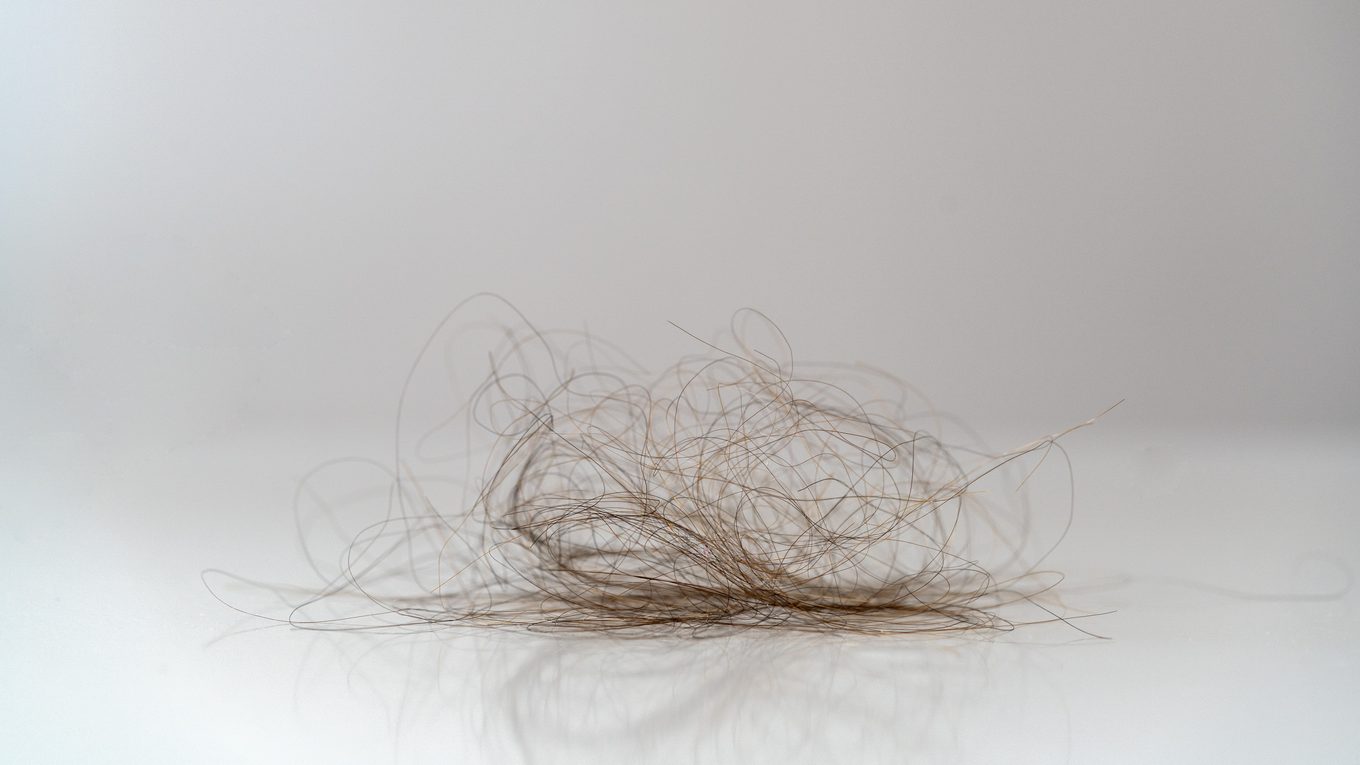
The amount of shedding is the first thing you notice. There comes a point when the hair wrapping around your fingers while shampooing, or the strands left on your pillow and collar, seem fewer than before. You’ll notice this from the overall amount of shed hair rather than from an exact count. Next come the short hairs. When you look at the corners of your forehead under bright light, you start to see new hairs coming in that are shorter and finer than the hair around them.
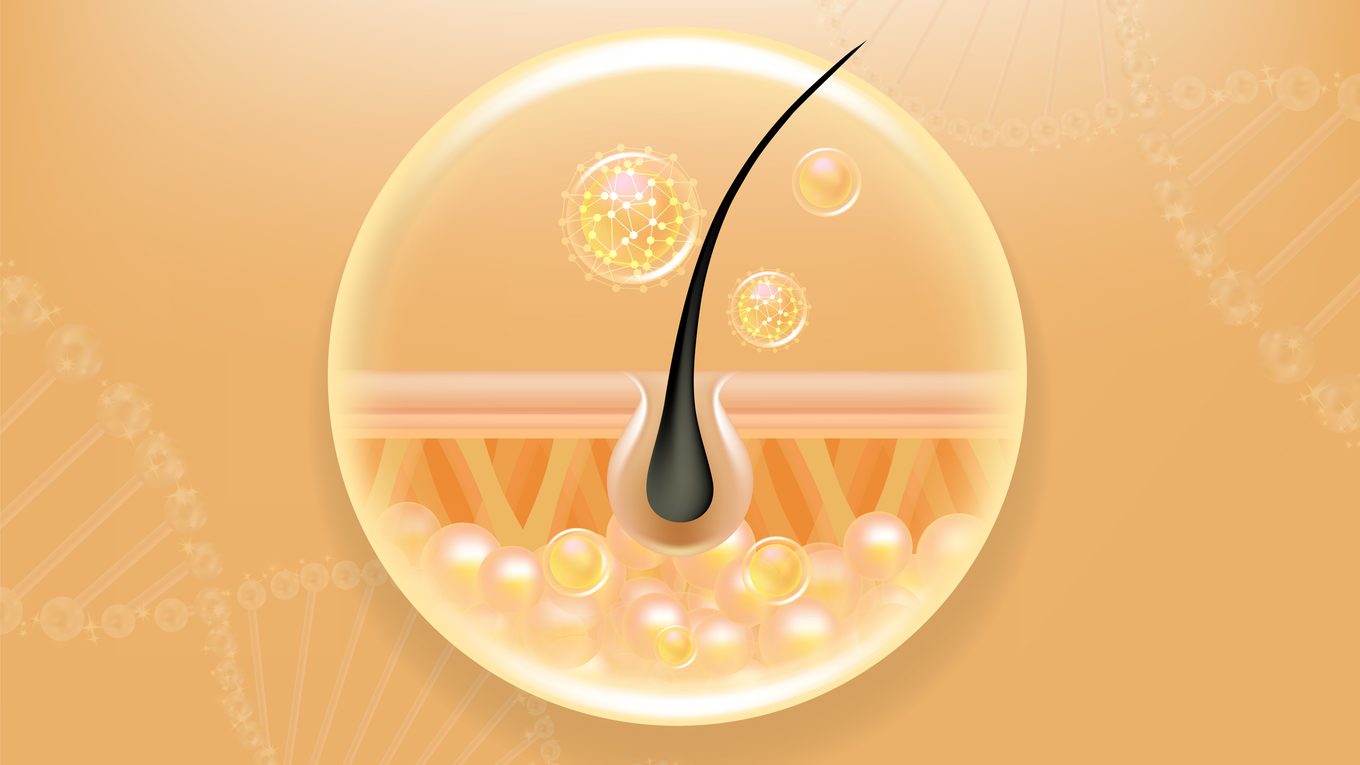
Thickening of the hair is the last change to appear. The short hairs that have come in gradually thicken over time, and the whole hairline starts to look different. There is a reason we deliberately separate these three stages when explaining them to people who visit HairOn Clinic in Gangnam, Seoul (near Sinsa Station) because of their hairline. If you don’t know the order, you tend to look for thickness first, and it becomes easy to miss the changes that have already taken place.

What if it seems like more hair is falling out at first?
We regard this period as shedding. Shedding refers to a phase early in treatment when hair loss temporarily appears to increase.
Not long after starting treatment, some people tell us in the consultation room:
“Every time I wash my hair and look at the drain, I feel discouraged.”
Shedding usually settles down within one to two months. During this period, rather than counting fallen hairs every day, it’s easier on your peace of mind to note how things feel week by week. If shedding continues beyond that, we re-examine the current condition of the scalp and hair. In the clinic, we use a scalp microscope to visually check the present state of the scalp and hair, how thickness and density are changing, and the condition of the surrounding hair.
What role do follicle-strengthening injections play in early M-shaped hair loss?
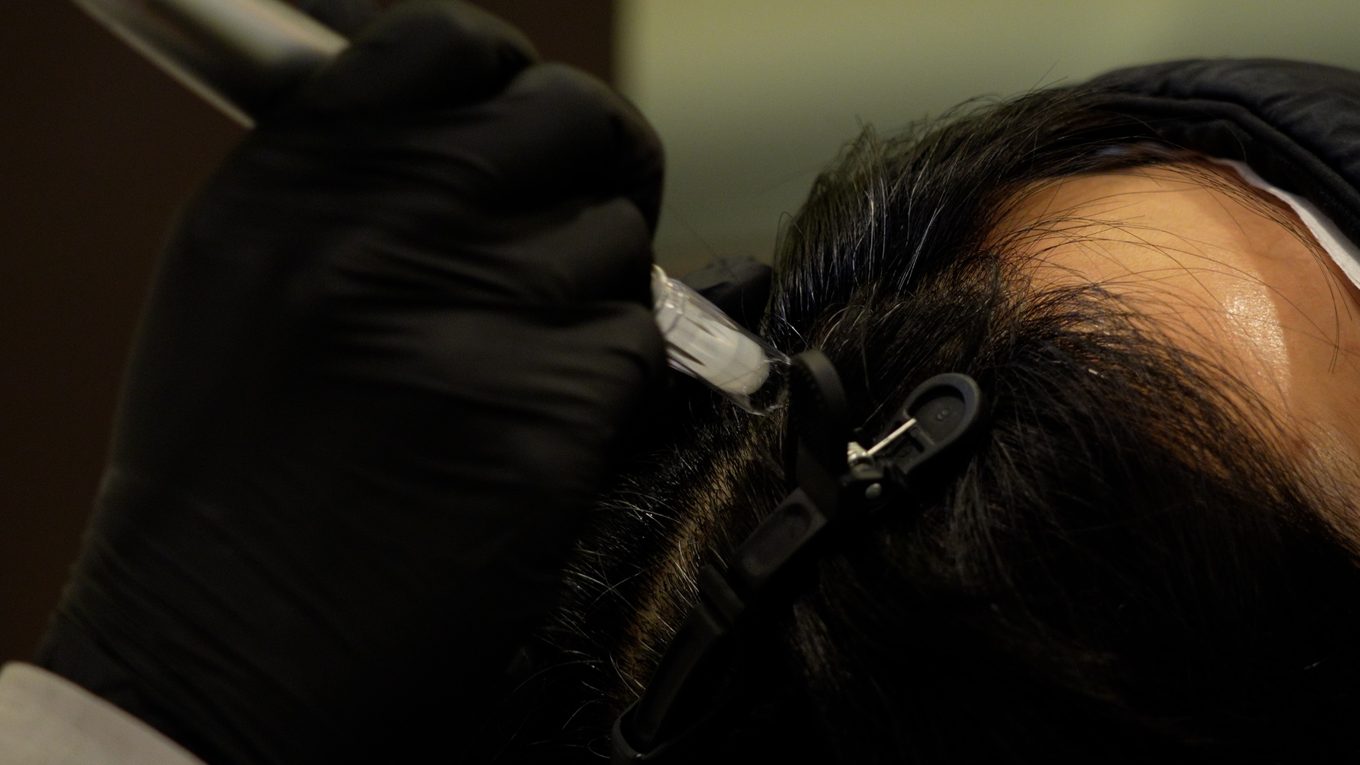
They support the environment of the follicles that remain at the corners of the forehead. Along the M-shaped line, hair gets thinner in diameter before it becomes sparse, so in the early stage the priority is protecting the hair you still have. HairOn Clinic’s follicle-strengthening injection, the Polyon Injection, is an injection treatment that combines eight growth factors, including PDRN, EGF, bFGF, and PDGF. It can help reinforce a weakened scalp and follicle environment and support the hair’s growth activity. Sessions are usually spaced two to three weeks apart, though depending on your condition they may be scheduled a little closer together. After the procedure, mild warmth or redness may briefly appear on the scalp, and in many cases it subsides within a day or two.
When is stem cell therapy for hair loss considered alongside other treatments?
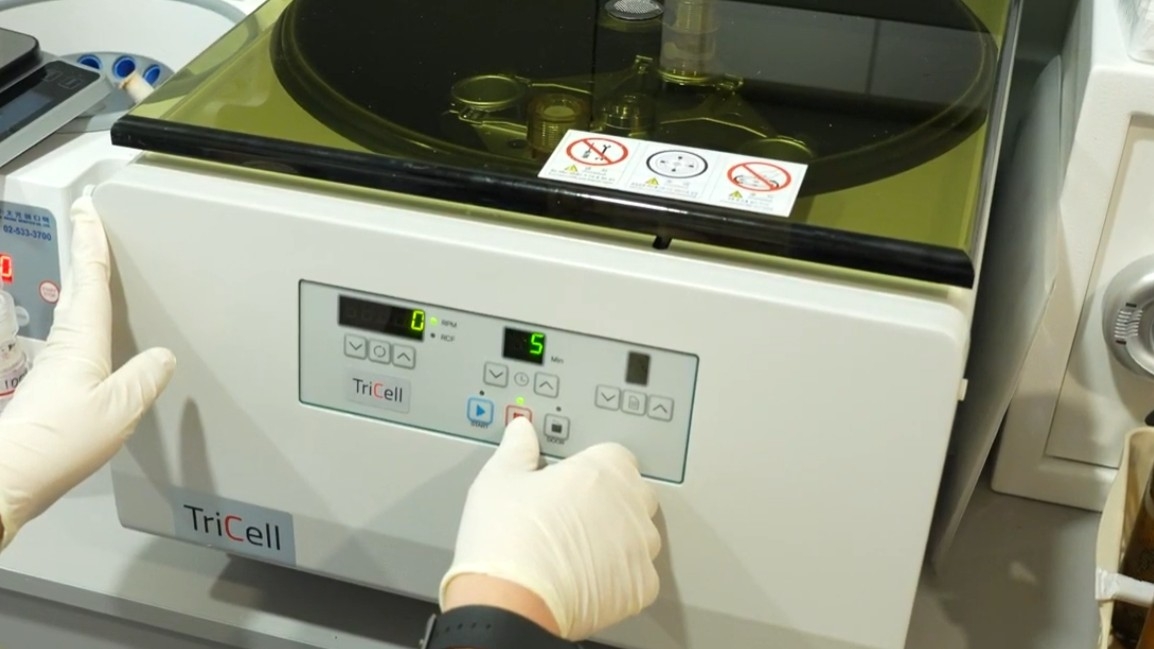
We add it when you want to push changes in thickness and density a step further. Even after shedding has subsided, some people feel the corners of their forehead still look a bit thin. In such cases, stem cell therapy for hair loss can be applied. It uses stem cells and growth factors with the aim of helping restore a weakened follicle environment and the hair growth cycle. Compared with conventional PRP procedures, stem cell therapy for hair loss contains more than three times the follicle cell-activating factors, which can help with the growth and thickness of existing hair and changes in overall density. It is generally performed every one to two months, and we tell patients to expect the effects to last around six months to a year. Since the duration varies depending on scalp condition, we check progress regularly during the course of treatment and plan the next steps.
| Category | Interval | Main Approach |
| Follicle-Strengthening Injection (Polyon Injection) | Every 2–3 weeks | Follicle care using nutrients such as growth factors and PDRN |
| Stem Cell Therapy for Hair Loss | Every 1–2 months | Management of the hair growth environment using stem cells and growth factors |
Follicle-Strengthening Injection (Polyon Injection) Every 2–3 weeks Follicle care using nutrients such as growth factors and PDRN Stem Cell Therapy for Hair Loss Every 1–2 months Management of the hair growth environment using stem cells and growth factors Follicle-strengthening injections and stem cell therapy for hair loss can be combined with prescription medication. In the early stage, we often design a treatment plan that includes both medication and injections.
What do we check before starting early treatment for M-shaped hair loss?
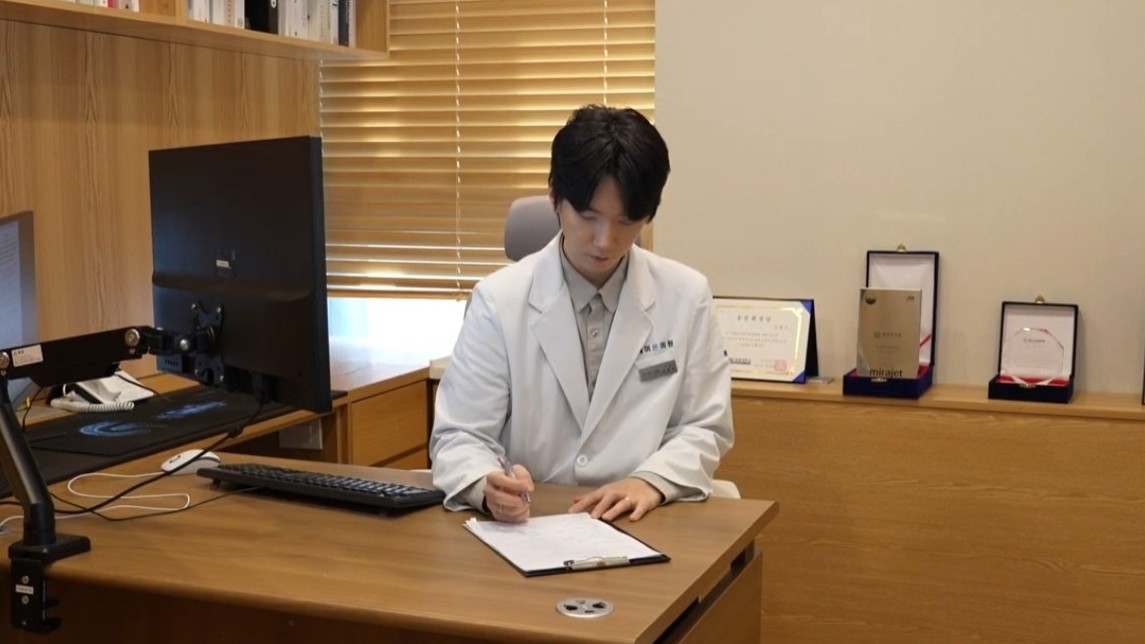
Before starting treatment, we first confirm your current condition and the factors contributing to it. In a consultation with a board-certified internal medicine specialist based on a medical questionnaire, we go over the rate of progression, your lifestyle, and your health status, and we examine the current state with a scalp microscope. We may also perform an autonomic nervous system test to assess stress and autonomic function, and when systemic factors need to be examined, we may add a blood test.

Because oral hair loss medications work through different pathways depending on their ingredients, there is also room to adjust the medication and topical treatments you are currently using to suit your condition. When you start to notice the changes varies from person to person. That’s why progress in early treatment for M-shaped hair loss is more accurately read as a trend over several months rather than a feeling at a single point in time. If you’re looking for a hair loss clinic in Seoul and would like to check on the changes in your hairline, we recommend starting by taking a look together at where you currently stand. English consultations are available for international patients.
This has been HairOn Clinic.
Book a Hair Loss Cause Diagnosis
Gangnam Station (Shinbundang Line) Exit 6 — HairON Clinic After scalp and follicle analysis, we design a customized treatment program tailored to your stage of crown hair loss. Rather than spending time worrying, accurately checking your current condition is the fastest beginning to effective treatment.
Hair Loss Research Center
View All ArticlesFind the Cause Before the Treatment.
Start with an accurate diagnosis at Hairon Clinic near Gangnam Station. Our internal medicine specialists identify the cause of your hair loss and recommend the right treatment based on the findings.
Book DiagnosisHairON ClinicHours of Operation
- Weekdays (Mon–Fri)
- Saturday
- Lunch Break
- Phone Consultation
- 3F, Hongwoo Building, 373 Gangnam-daero, Seocho-gu, Seoul, South Korea
Insights » Hair Loss Treatment by Dr. Hyunggon Son
A First Visit Story: Female Hair Loss in Her 40s at HairON Clinic
Hair loss in women in their 40s may not be simply a sign of aging. If you’re concerned about thinning hair or reduced volume, explore the causes and management options through a first visit to Hairon Clinic.