
Hair Loss Diagnosis in Korea: Why Testing Determines Your Treatment Direction (Hair Loss Clinic in Gangnam, Seoul)
Hello, this is HairOn Clinic in Gangnam, Seoul.

Many people take a photo of the crown of their head from above, zoom in, flip back and forth between that and an old ID photo, and eventually open a search window. But the search results only make things more confusing. One post tells you to start with medication, another says injections are the answer, and yet another recommends stem cell therapy.
All of these are real treatments in use, but those posts often leave something out: even when the hair loss looks the same, the right treatment can differ depending on the cause and your current condition. That’s why you need to confirm where you stand before deciding which treatment to go with. Today, for anyone looking for a hair loss clinic in Gangnam, Seoul, we’ll explain why we test before we treat.
Table of Contents
What does it mean that testing determines treatment?
How we check at HairOn Clinic
On what basis is hair loss medication prescribed?
Injection treatments depend on your current condition
Why your current condition must be confirmed before treatment

What does it mean that testing determines treatment?
The outcome, hair falling out, may be the same, but the factors behind it and the process differ from person to person.
There’s the pattern where hair thins as DHT gains more influence with hormonal changes after menopause, and there are cases where shedding picks up a few months after drastic weight loss. Severe calorie restriction or a lack of protein and iron can affect hair growth. Some people also notice their scalp feels hot when stress has built up.
Because the factors behind hair loss vary this much, it doesn’t make sense to apply the same treatment to everyone without confirming their current condition. That’s why we decide on treatment only after looking at the type of hair loss, how it’s progressing, and your health together. Testing isn’t a step for recommending treatment. It’s a step for choosing it.

How we check at HairOn Clinic
At HairOn Clinic, we look at four areas. First, we consult with you based on the questionnaire you fill out. We check when the hair loss began, how the affected area has changed, the pattern of progression, and your overall health.
Next, we look directly at the scalp and hair with a scalp microscope. This gives us a visual read on the current thickness of the hair, the pattern of density loss, and the condition of the surrounding scalp and hair. The autonomic nervous system test checks autonomic balance and the level of stress in the body, which also takes into account lifestyle and environmental factors that can affect hair loss. Blood tests aren’t done for everyone as a matter of course. We add them selectively when the progression is atypical, when the cause is hard to pin down, or when systemic factors need to be evaluated.
| Area checked | What we look at | What it helps us decide |
| Questionnaire and consultation | Onset, changes in extent, progression pattern, health status | Classifying the type and identifying contributing factors |
| Scalp microscope | Changes in hair thickness, pattern of density loss, surrounding hair | Extent to which the scalp environment needs support |
| Autonomic nervous system test | Autonomic balance and level of stress in the body | Degree of involvement of lifestyle and environmental factors |
| Blood test | Evaluation of systemic factors | Identifying the background of atypical progression |

On what basis is hair loss medication prescribed?
At HairOn Clinic, we don’t decide whether to prescribe hair loss medication on a single test result alone. We decide by considering the current condition of the hair and scalp, the type and progression of hair loss, age and sex, and overall health together. Oral hair loss medications work in different ways depending on their ingredients. Some, like finasteride and dutasteride, act on hormone-related pathways, while others, like oral minoxidil, don’t regulate hormones. Some people assume all oral medications are hormone drugs, but it isn’t that simple.

For women, the possibility of pregnancy and menopausal status also have to be taken into account. The balance between oral medication and topical treatments can be adjusted to your condition, and we check progress regularly and adjust along the way. Even if you didn’t notice much change with a single medication, we can re-examine your current condition and its cause and consider a combination prescription.
Injection treatments depend on your current condition
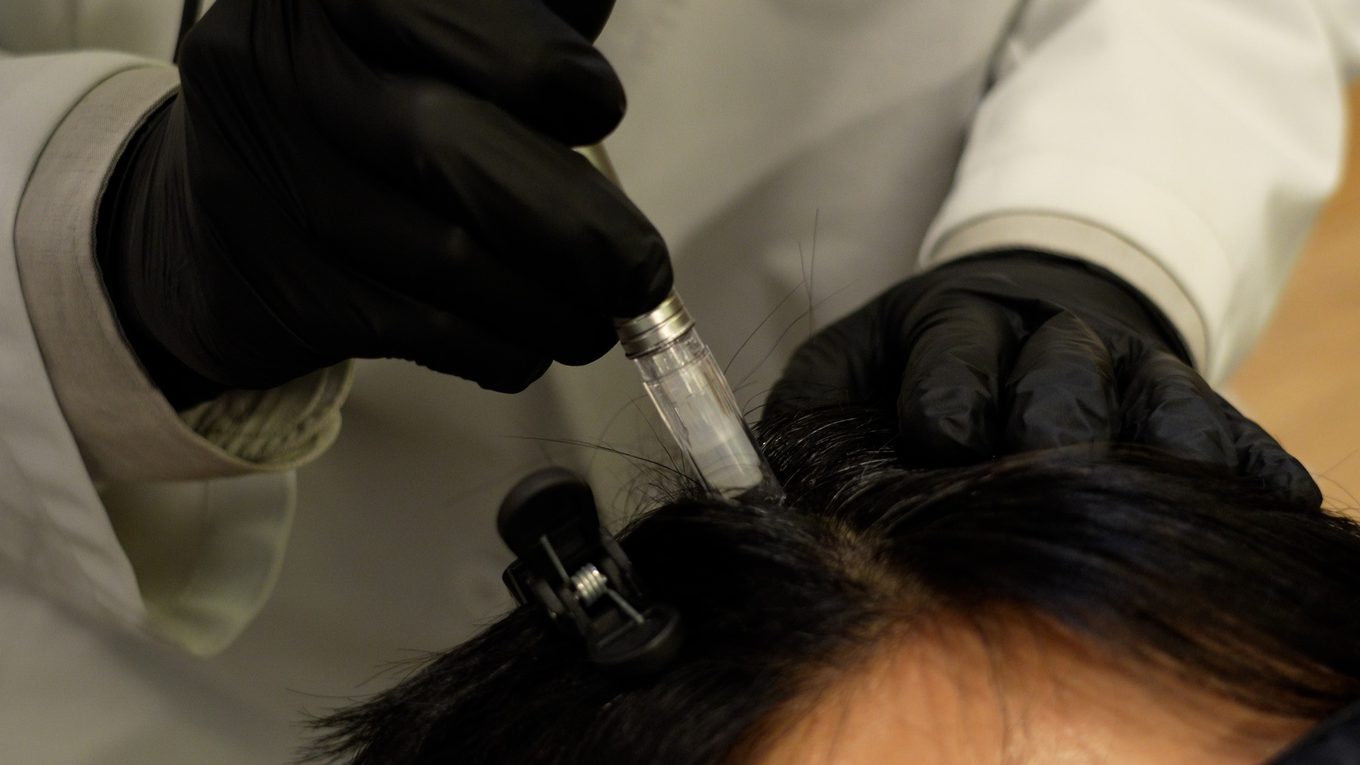
Injection treatments deliver ingredients directly to the scalp, so they come at the problem from a different direction than medication. We use them when thinning hair or a strained scalp environment is also confirmed. HairOn Clinic’s follicle-strengthening injection, the Polyon Injection, delivers growth factors and PDRN that the follicles need. It helps activate the hair growth cycle, suppress follicle-damaging factors, and improve scalp blood circulation, and it can also help improve the thickness of thinning hair and reduce shedding. It’s usually done every two to three weeks, and the interval may be shortened depending on your condition. Mild warmth or redness may appear after the procedure. This isn’t a sign that the treatment is working, just a temporary reaction that settles within a day or two.

Stem cell therapy uses stem cells and growth factors to supplement a weakened follicle environment and the hair growth cycle. It contains more than three times the follicle cell-activating factors of conventional PRP procedures; sessions are generally spaced one to two months apart, and we tell patients to expect the effects to last around six months to a year. The Polyon Injection and stem cell therapy aren’t simply substitutes for each other, and depending on your condition, they can be combined with other treatments, including prescription medication. When you look into a hair loss clinic in Korea, it’s worth asking how they put these combinations together.
Why your current condition must be confirmed before treatment
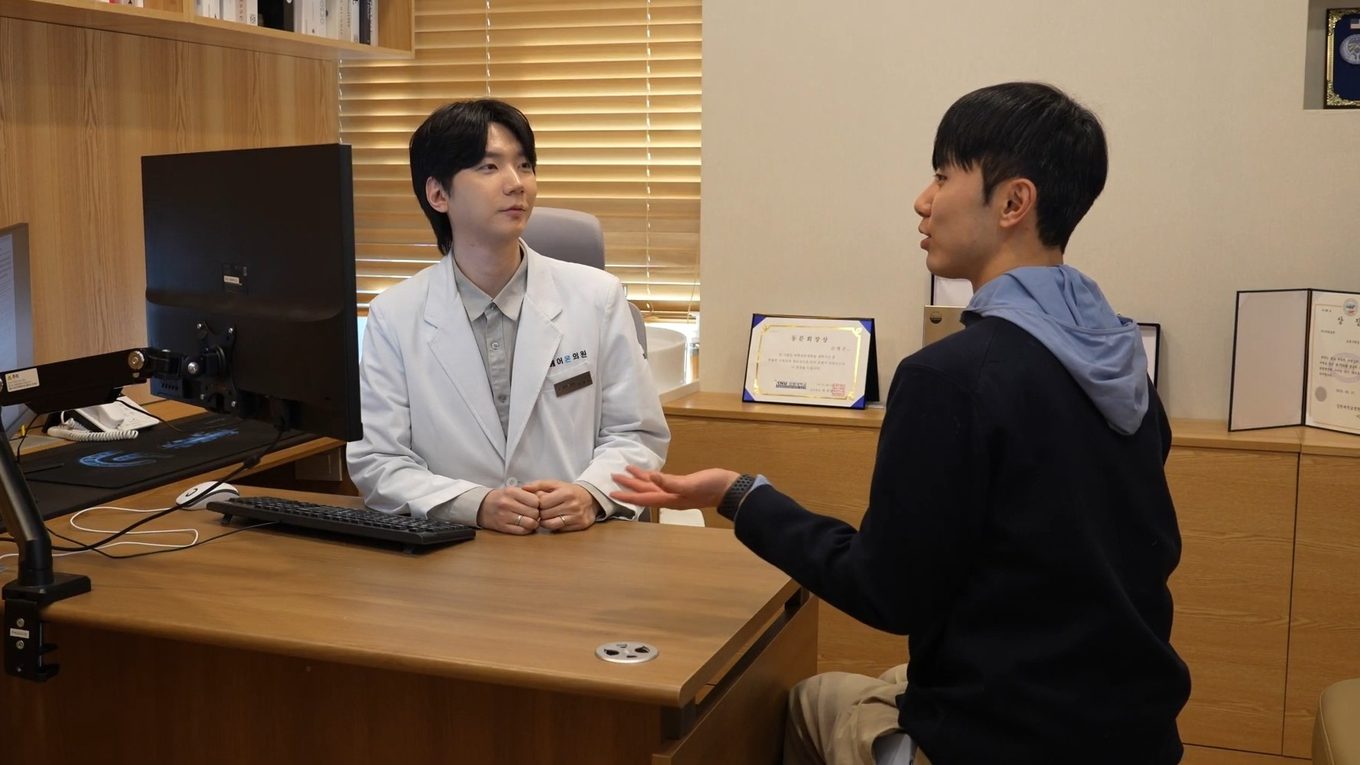
Anyone can start hair loss treatment at any time, but without an initial assessment, there’s no objective baseline to measure the results against. If you’ve tried something for three months and the change isn’t clear, and you never confirmed your starting condition, there’s no way to tell whether the medication didn’t suit you or whether other factors are still at play. Testing is both the starting line and the reference point you come back to when adjusting course. If you don’t record where you are now, it’s hard to say later what has changed.
If you’re looking for a hair loss clinic in Gangnam, Seoul, we recommend looking first not at which treatments a clinic offers, but at how it checks your condition and how it explains the results. The list of treatments looks similar everywhere; what decides which one is right for you is how much has actually been confirmed. This has been HairOn Clinic. English consultations are available for international patients.
Book a Hair Loss Cause Diagnosis
Gangnam Station (Shinbundang Line) Exit 6 — HairON Clinic After scalp and follicle analysis, we design a customized treatment program tailored to your stage of crown hair loss. Rather than spending time worrying, accurately checking your current condition is the fastest beginning to effective treatment.
Hair Loss Research Center
View All ArticlesFind the Cause Before the Treatment.
Start with an accurate diagnosis at Hairon Clinic near Gangnam Station. Our internal medicine specialists identify the cause of your hair loss and recommend the right treatment based on the findings.
Book DiagnosisHairON ClinicHours of Operation
- Weekdays (Mon–Fri)
- Saturday
- Lunch Break
- Phone Consultation
- 3F, Hongwoo Building, 373 Gangnam-daero, Seocho-gu, Seoul, South Korea
Insights » Hair Loss Treatment by Dr. Hyunggon Son
A First Visit Story: Female Hair Loss in Her 40s at HairON Clinic
Hair loss in women in their 40s may not be simply a sign of aging. If you’re concerned about thinning hair or reduced volume, explore the causes and management options through a first visit to Hairon Clinic.