
Alopecia Areata Treatment in Korea: When We Use Steroids vs. Follicle-Strengthening Injections (Gangnam, Seoul)
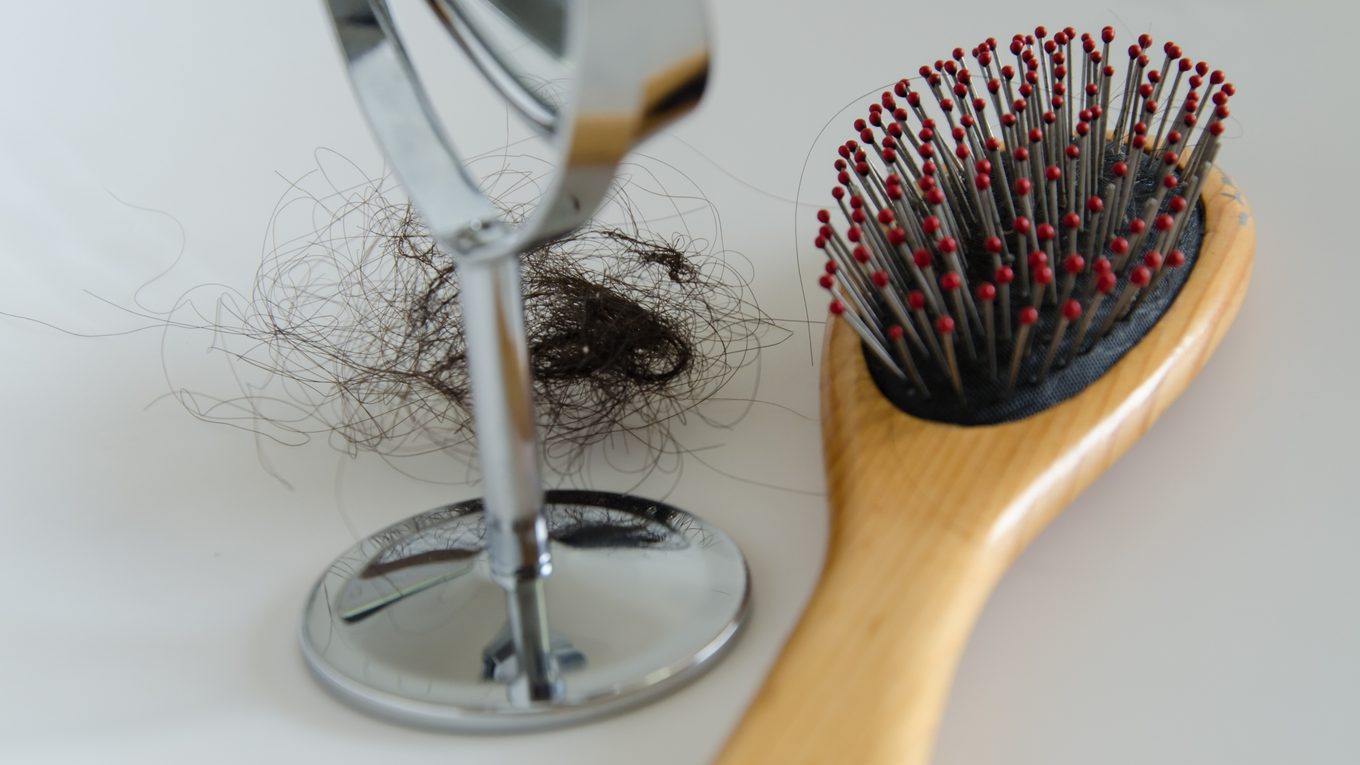
Hello, this is HairOn Clinic in Gangnam, Seoul. When someone comes to HairOn Clinic with alopecia areata, the first thing we look at is not the name of a medication but how far it has spread. Is there a single coin-sized bald patch at the back of the head? Are there two or three smooth spots you can feel while blow-drying your hair? Has the area grown compared with a photo taken at the hair salon a month ago?
All three go by the same name, “alopecia areata,” but the plan we set that day is different for each. For some, calming the immune reaction that attacks the follicles comes first; for others, supporting the scalp environment so hair can regrow takes priority. Today, we’d like to write down what we’ve been explaining in the consultation room about what tips that decision one way or the other.
Alopecia areata is a type of hair loss that is especially hard to judge on your own in front of the mirror, because it often shows up at the back of the head where you can’t see the patch. So in today’s post, we’ll go over how steroid treatment, medication, and follicle-strengthening injections are weighed in alopecia areata treatment depending on how far the hair loss has spread and how fast it’s changing. We hope this helps you get a sense of where you currently stand and which treatments might be worth considering together.
Table of Contents
Why we check the extent first
What does steroid treatment for hair loss target?
Where medication prescriptions differ from person to person
When are follicle-strengthening injections used?
One thing we’d like to leave you with today

Why we check the extent first
People who find us by searching for alopecia areata treatment in Seoul usually start by asking about the name of a treatment. At HairOn Clinic, though, rather than starting with treatment methods, we open the questionnaire and trace things back to when the symptoms began. We check when you first noticed it, whether the patch has grown or shrunk since then, and how your health and lifestyle have been lately. There’s something people who have just discovered a bald patch often say as soon as they sit down in the consultation chair:
“I’m scared it will spread, so I keep touching the back of my head.”
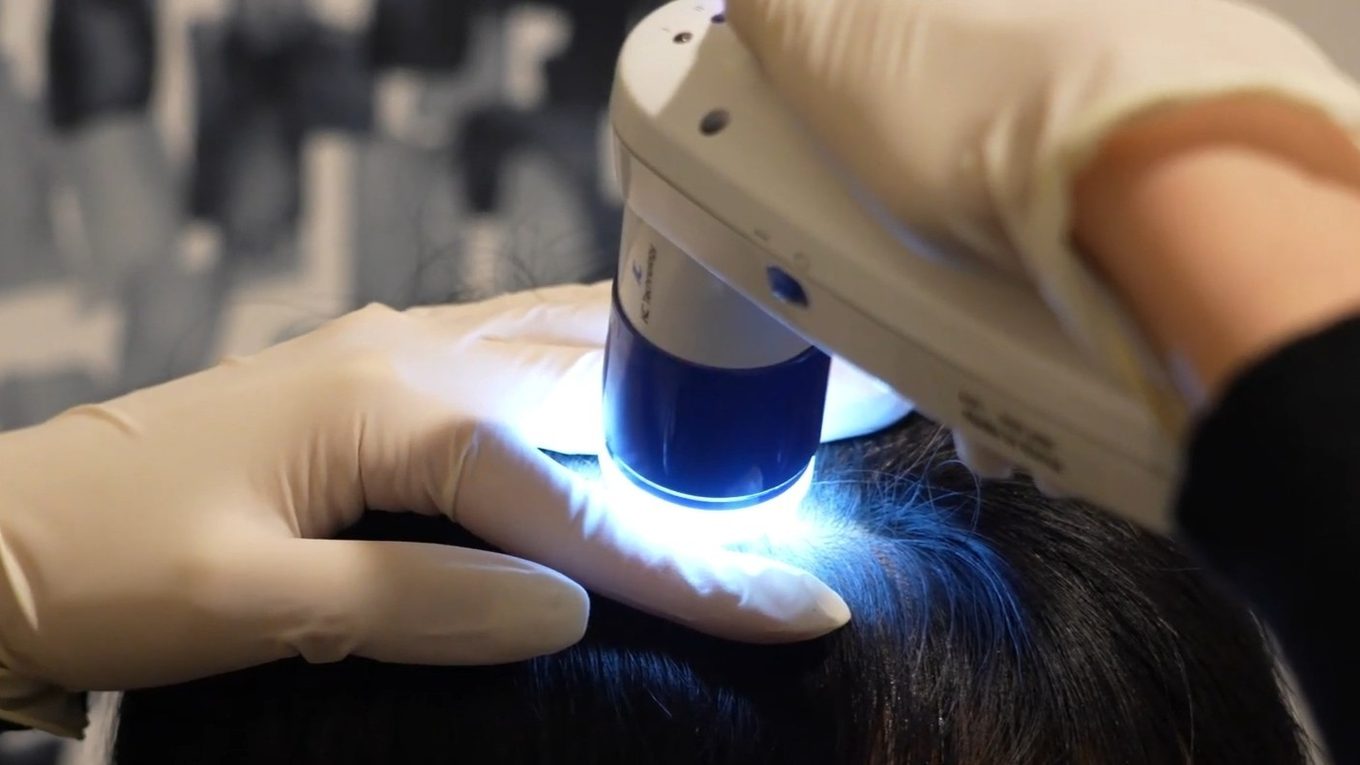
When we look at how fast the patch has changed so far alongside how big it is today, it becomes clear where to start. That’s why alopecia areata treatment at HairOn Clinic begins with confirming your condition through the questionnaire and consultation. From there, if the scalp needs a closer look, we add a scalp microscope examination, and if stress and autonomic balance need to be assessed as well, we add an autonomic nervous system test.

What does steroid treatment for hair loss target?
Steroids are used to suppress inflammation and rein in excessive immune reactions. In hair loss treatment, steroid therapy can be considered when that kind of action is needed. Alopecia areata is linked to an abnormal immune response that attacks the hair follicles. As this happens, inflammation develops around the follicles and can interfere with normal hair growth.
So steroid treatment for alopecia areata aims to suppress the immune and inflammatory responses that attack the follicles. It’s injected directly into the affected area to reduce inflammation and help create an environment where hair can grow again. That said, not every case of hair loss calls for steroids. After checking the location, extent, and progression of the hair loss and looking into its cause, we consider steroid treatment once alopecia areata is confirmed.

Where medication prescriptions differ from person to person
When it comes to hair loss treatment, the first thing most people think of is medication. One question we hear a lot about oral medications is: “Aren’t all hair loss pills hormone drugs?”
But the medications used in hair loss treatment work in different ways depending on their active ingredients.
| Category | Mechanism |
| Finasteride / Dutasteride | Acts on hormone-related pathways |
| Oral minoxidil | Works in a way unrelated to hormone regulation |
| Topical treatments | External forms applied directly to the scalp |
Finasteride and dutasteride act on hormone-related pathways, but oral minoxidil does not regulate hormones at all. So rather than lumping all hair loss medications into one category, it’s worth looking at which one actually suits your type and stage of hair loss.
For alopecia areata, medication may also be considered depending on your condition, but the same medication isn’t given to everyone. We look at the extent and progression of the alopecia areata, the condition of the scalp and hair, and your overall health together to decide whether to prescribe and how to put the treatment plan together.
When are follicle-strengthening injections used?
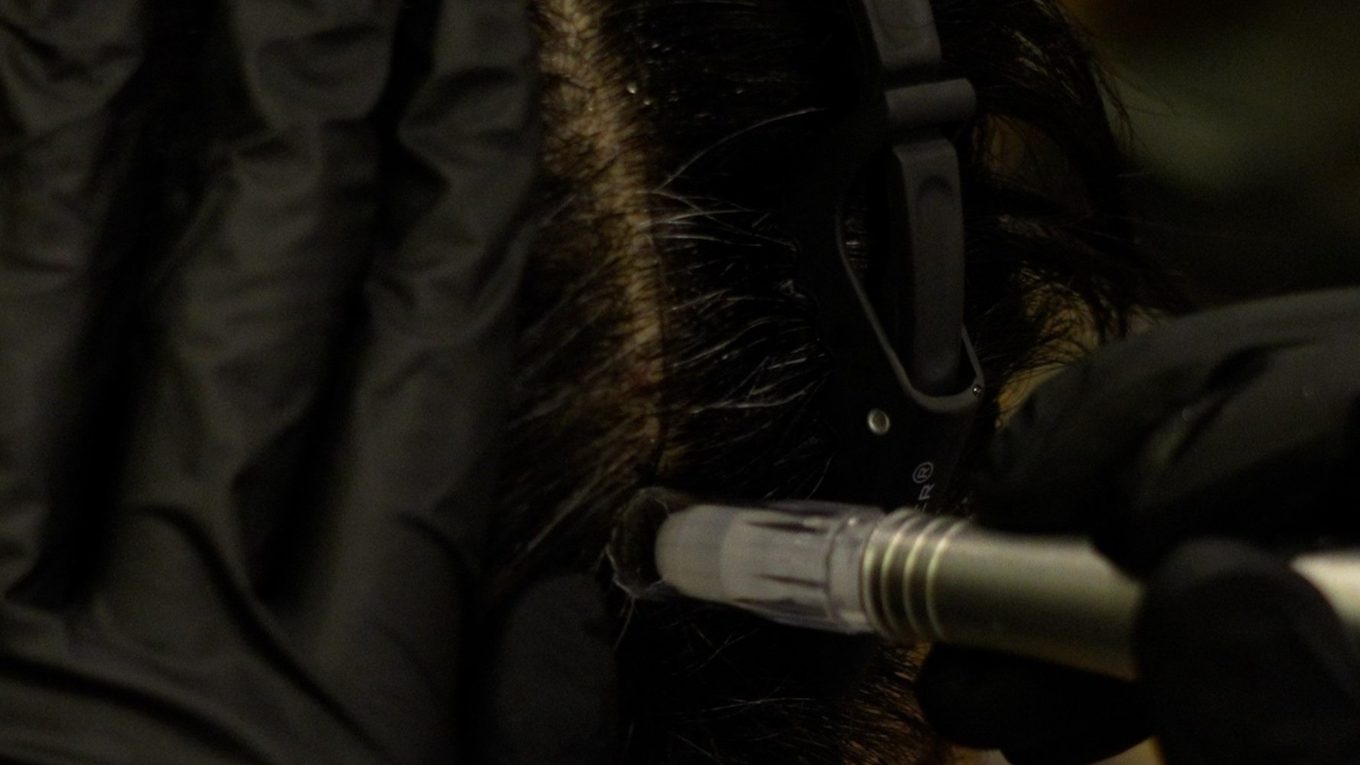
Once the combination is settled, the next question is usually about injections. When to add HairOn Clinic’s follicle-strengthening injection (Polyon Injection) is decided after checking the location and extent of the hair loss and the overall condition of the scalp. It comes into the plan when the affected areas are spread across several spots, or when the scalp environment needs support as well.
This injection delivers a blend of growth factors and PDRN to the scalp in set proportions. Because it’s a combined formula, it can address the scalp and the follicle environment at the same time. The growth factors support the follicle environment and hair growth activity, while the PDRN helps with scalp recovery and regeneration. Of course, how much someone responds varies from person to person.

Since steroid treatment and follicle-strengthening injections play different roles, they’re sometimes planned together depending on how the hair loss is progressing. Medication or stem cell therapy may be added as well. Sessions are typically scheduled every 2–3 weeks, but can be shortened to weekly depending on the clinical evaluation.
One thing we’d like to leave you with today
Even with the same diagnosis of alopecia areata, a case confined to one area and a case spreading across several areas are two different situations. That’s why, when treating alopecia areata at our clinic in Gangnam, Seoul, we recommend confirming the current extent and progression before deciding on a treatment plan, rather than choosing a method first.
If you find yourself touching the back of your head over and over these days, please don’t try to interpret what your fingertips feel on your own. Get it checked first. Knowing your current condition also gives you a baseline for tracking the extent and progress going forward.
This has been HairOn Clinic. English consultations are available for international patients.
Book a Hair Loss Cause Diagnosis
Gangnam Station (Shinbundang Line) Exit 6 — HairON Clinic After scalp and follicle analysis, we design a customized treatment program tailored to your stage of crown hair loss. Rather than spending time worrying, accurately checking your current condition is the fastest beginning to effective treatment.
Hair Loss Research Center
View All ArticlesFind the Cause Before the Treatment.
Start with an accurate diagnosis at Hairon Clinic near Gangnam Station. Our internal medicine specialists identify the cause of your hair loss and recommend the right treatment based on the findings.
Book DiagnosisHairON ClinicHours of Operation
- Weekdays (Mon–Fri)
- Saturday
- Lunch Break
- Phone Consultation
- 3F, Hongwoo Building, 373 Gangnam-daero, Seocho-gu, Seoul, South Korea
Insights » Hair Loss Treatment by Dr. Hyunggon Son
A First Visit Story: Female Hair Loss in Her 40s at HairON Clinic
Hair loss in women in their 40s may not be simply a sign of aging. If you’re concerned about thinning hair or reduced volume, explore the causes and management options through a first visit to Hairon Clinic.