
Alopecia Areata Came Back? What to Check When a Bald Spot Returns | Hairon Clinic in Gangnam, Seoul

When a patient comes to us because alopecia areata has returned in the same spot, we look at the pattern of hair loss before the amount. Whether the hair fell out again within the previous patch, or a new border has formed next to it, tells us whether this is a true recurrence — or whether recovery from the last episode is still underway.
It usually happens like this. A few months after finishing treatment, hair grows back over the bare spot, and the habit of checking it in the mirror fades. Then one day, while washing your hair, your fingertips find a smooth patch. You angle the mirror and there it is again: a coin-sized bald spot, either where the hair fell out last time or right beside it. Just like before, it doesn’t itch or hurt — so you have no idea when the shedding began.
Table of Contents
Is it a recurrence if hair falls out in the same spot?
Why alopecia areata happens: an immune response that targets the follicles
Four things we check at the site of recurrence
What changes when treatment restarts
How to monitor for the next recurrence
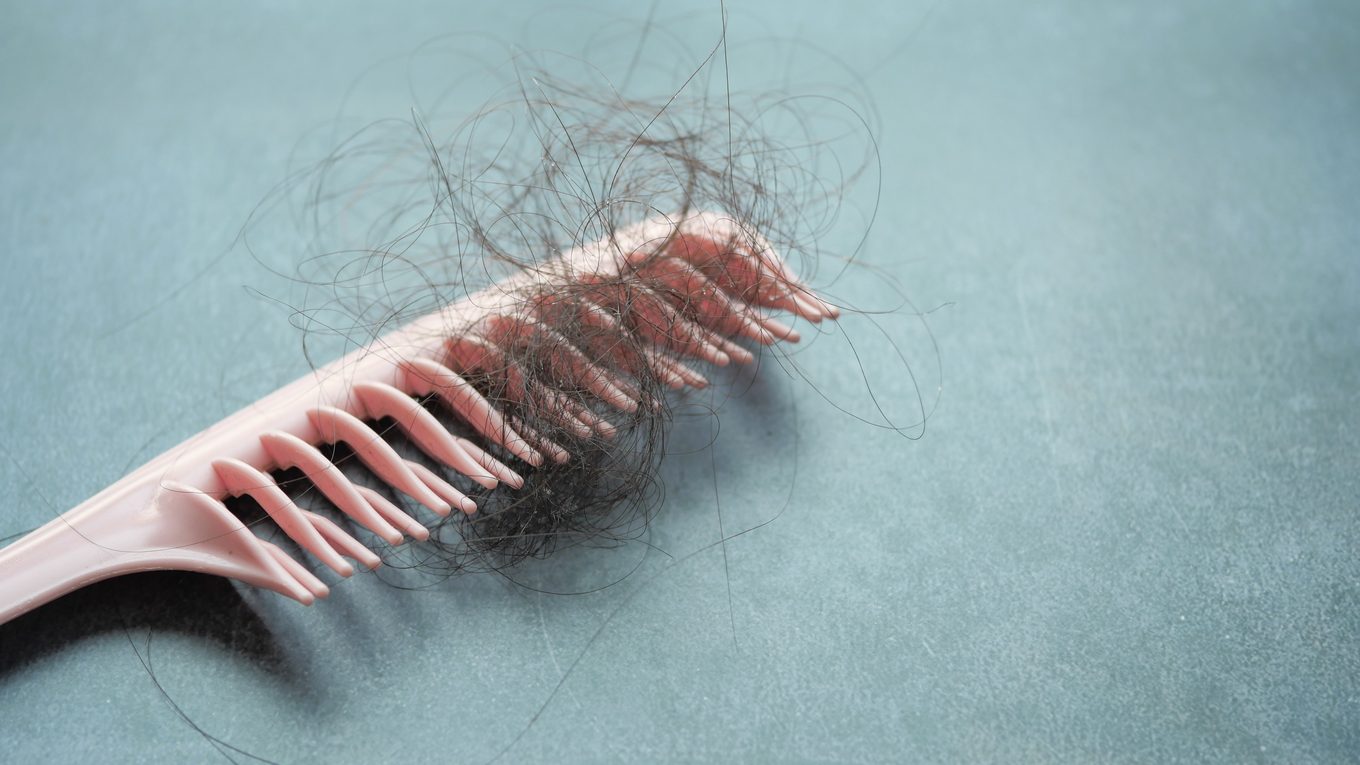
Is it a recurrence if hair falls out in the same spot?
It may be — or the previous patch may simply still be recovering. Alopecia areata can cycle through shedding and regrowth, so it can reappear in the same area or nearby even after treatment feels finished.
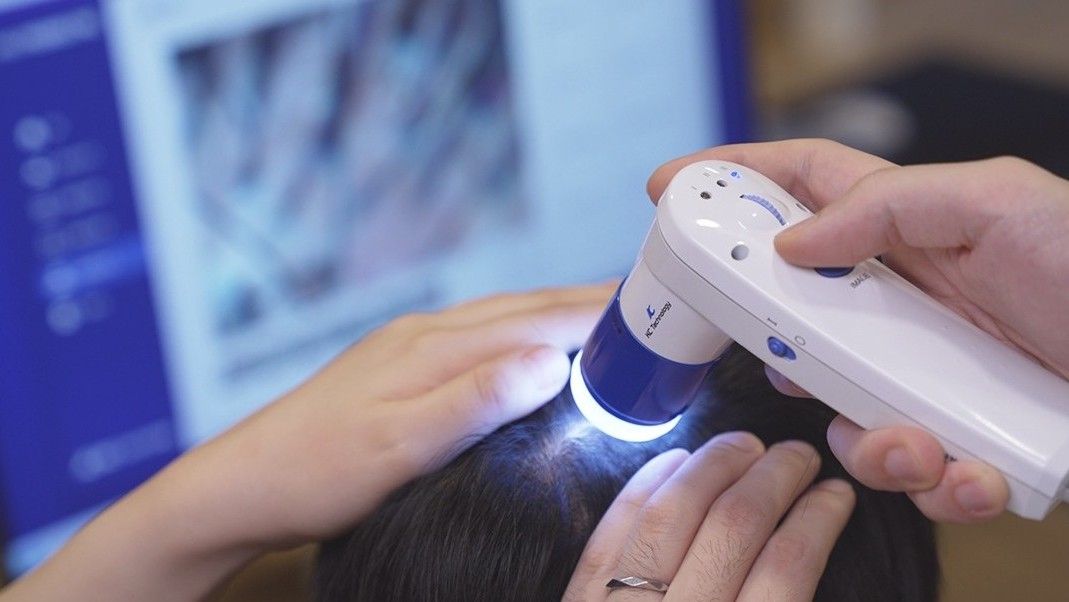
We start by checking whether the new patch overlaps the previous one, whether its border is distinct, and whether there are short, broken hairs around it. What we check next depends on whether vellus hair has fallen out again within the old patch, or a new border has formed beside it. Even a small patch that has stayed the same size for several weeks is worth examining — it is better not to wait for it to shrink on its own.
Patients with recurring alopecia areata often ask: “The hair grew back so well after treatment — why has it happened again?” To answer that, we need to go back to why alopecia areata occurs in the first place.

Why alopecia areata happens: an immune response that targets the follicles
Alopecia areata is understood to be caused by an immune response in which immune cells mistakenly identify hair follicles as targets. The follicles themselves remain intact while hairs in the growth phase suddenly fall out — which is why the patch is round, smooth-skinned, and relatively sharply bordered.
When hair grows back after treatment, it means the misdirected immune response has settled and the follicles have resumed activity. But the immune system can be disturbed again — by severe stress, overwork and lack of sleep, or immune changes after an infection. When hair falls out in the same spot again, we look at whether the same trigger as last time was present, or whether a new one has emerged.
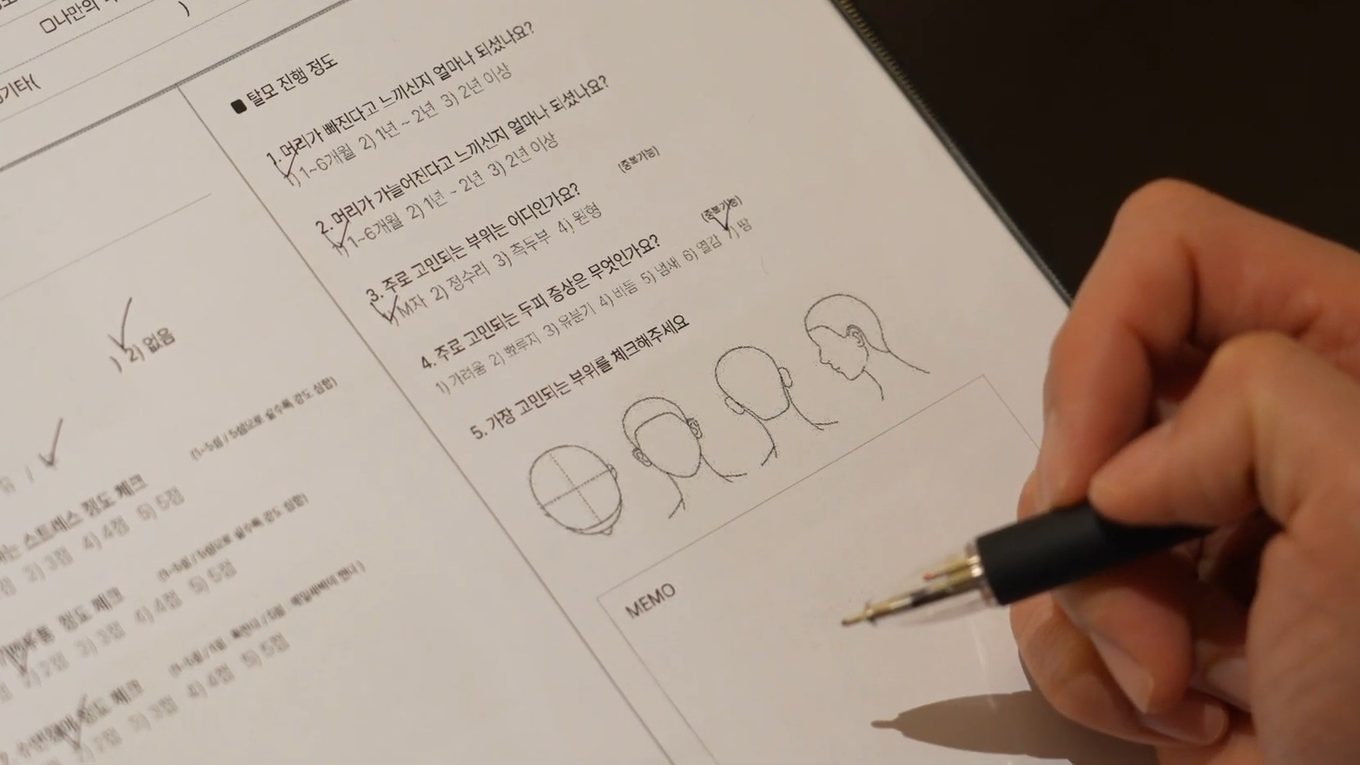
This is also why we take the medical history again from the very beginning for returning patients. If the first episode followed a period of severe stress but this one followed a bad cold, the factors to examine are different — and so, potentially, is the treatment: steroid therapy alone, or combined with follicle-strengthening injections (Polyon injections).

Four things we check at the site of recurrence
For recurrent alopecia areata, the first step is a thorough medical history. Through a questionnaire and a consultation with an internal medicine specialist, we piece together four things:
- when the hair first fell out, and when it recovered
- when the shedding began this time
- your lifestyle and health in the period between the two episodes
- the condition of the scalp and the patch itself under scalp dermoscopy
Other tests are added depending on the extent and state of the hair loss. We examine these four items together because the direction of this round of treatment is set by matching the appearance of the recurrent patch with its likely trigger.
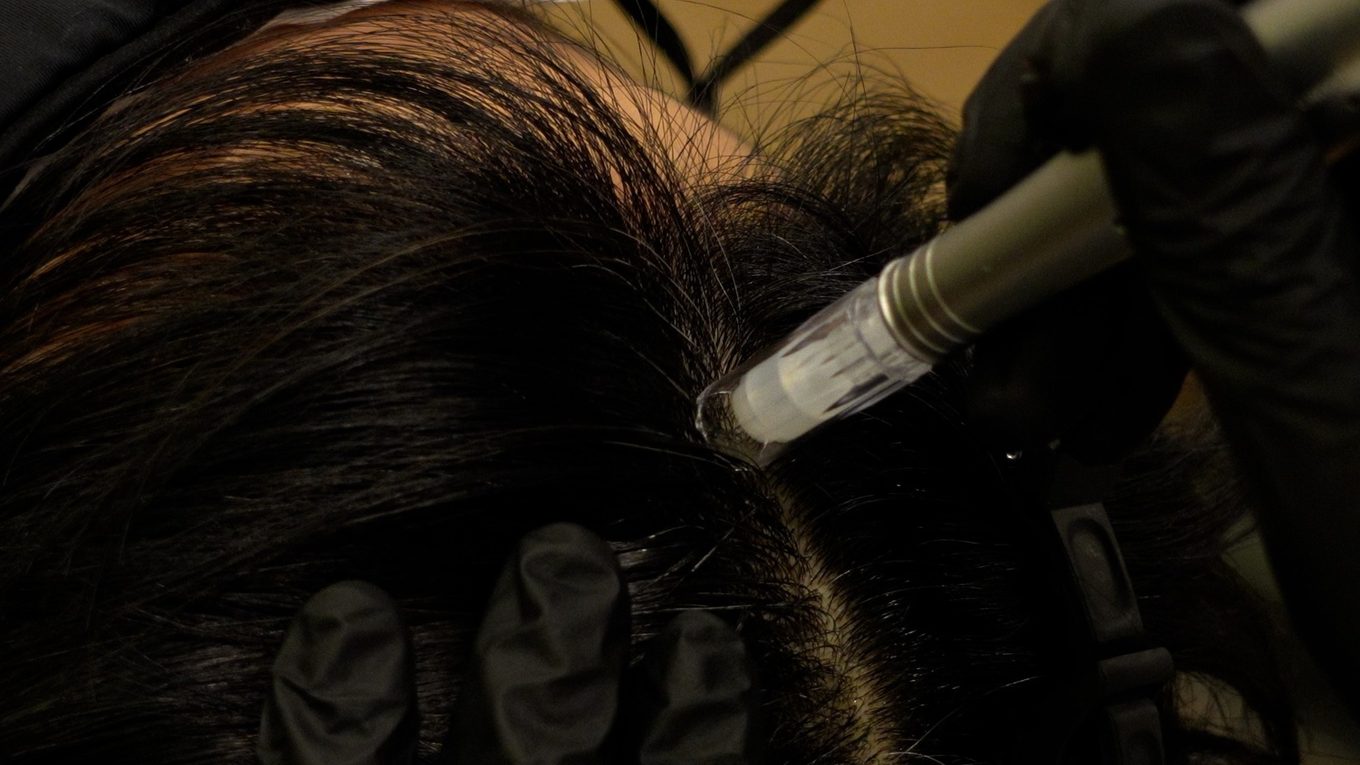
What changes when treatment restarts
In a second round of treatment, we consider two things together: calming the immune response and reinforcing the follicle environment. Steroid treatment is used to suppress the misdirected immune response, with the aim of creating an environment in which hair can regrow. If you received it last time as well, we decide whether to use it again based on the location and extent of the patch and on how quickly it recurred.
To support the follicles as they resume activity once the immune response has subsided, follicle-strengthening injections (Polyon injections) may be added. Their purpose is to supplement a follicle environment weakened by repeated shedding in the same spot. The two treatments play different roles, so whether they are combined — and the number and spacing of sessions — is decided by your condition and the findings of your consultation. We treat recurrent alopecia areata not as a repeat of the previous treatment, but as a new plan built around the current trigger and the present state of the follicles. The speed of recovery varies from person to person.

How to monitor for the next recurrence
Even after treatment ends, it is worth photographing the recovered area about once a month under the same lighting. When regrowth begins, fine vellus hairs usually appear first at the center of the patch rather than at its edges. Comparing photos — are fine hairs appearing from the center, are they thickening, is the border blurring — helps you catch changes early. Keeping a note of anything you feel under your fingertips while drying or tying your hair also helps pinpoint the timing at your consultation.
We advise patients to have their progress checked periodically even after the patch has recovered. If a new bald spot appears, treatment is easier to plan when the trigger and your condition are checked while the area is still small.
When hair falls out in the same spot again, what matters first is not how much fell out, but how it fell out and what triggered it. If you have found a second bare spot in the mirror, visit Hairon Clinic in Gangnam, Seoul, and let’s check the trigger and your condition together while the patch is still small.
Book a Hair Loss Cause Diagnosis
Gangnam Station (Shinbundang Line) Exit 6 — HairON Clinic After scalp and follicle analysis, we design a customized treatment program tailored to your stage of crown hair loss. Rather than spending time worrying, accurately checking your current condition is the fastest beginning to effective treatment.
Hair Loss Research Center
View All ArticlesFind the Cause Before the Treatment.
Start with an accurate diagnosis at Hairon Clinic near Gangnam Station. Our internal medicine specialists identify the cause of your hair loss and recommend the right treatment based on the findings.
Book DiagnosisHairON ClinicHours of Operation
- Weekdays (Mon–Fri)
- Saturday
- Lunch Break
- Phone Consultation
- 3F, Hongwoo Building, 373 Gangnam-daero, Seocho-gu, Seoul, South Korea
Insights » Hair Loss Treatment by Dr. Hyunggon Son
A First Visit Story: Female Hair Loss in Her 40s at HairON Clinic
Hair loss in women in their 40s may not be simply a sign of aging. If you’re concerned about thinning hair or reduced volume, explore the causes and management options through a first visit to Hairon Clinic.